What Makes Bamboo Suitable for Biomass Fuel Pellets?
Bamboo is a fast-growing plant that can produce a considerable amount of biomass over relatively…

Bamboo is a fast-growing plant that can produce a considerable amount of biomass over relatively…
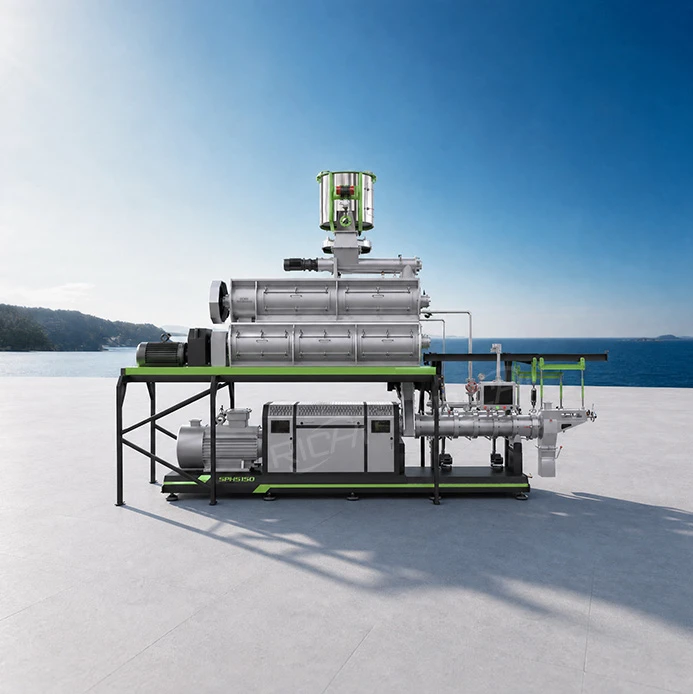
Pet food manufacturing attracts investors for good reasons. Demand is steady, products are consumable, and…
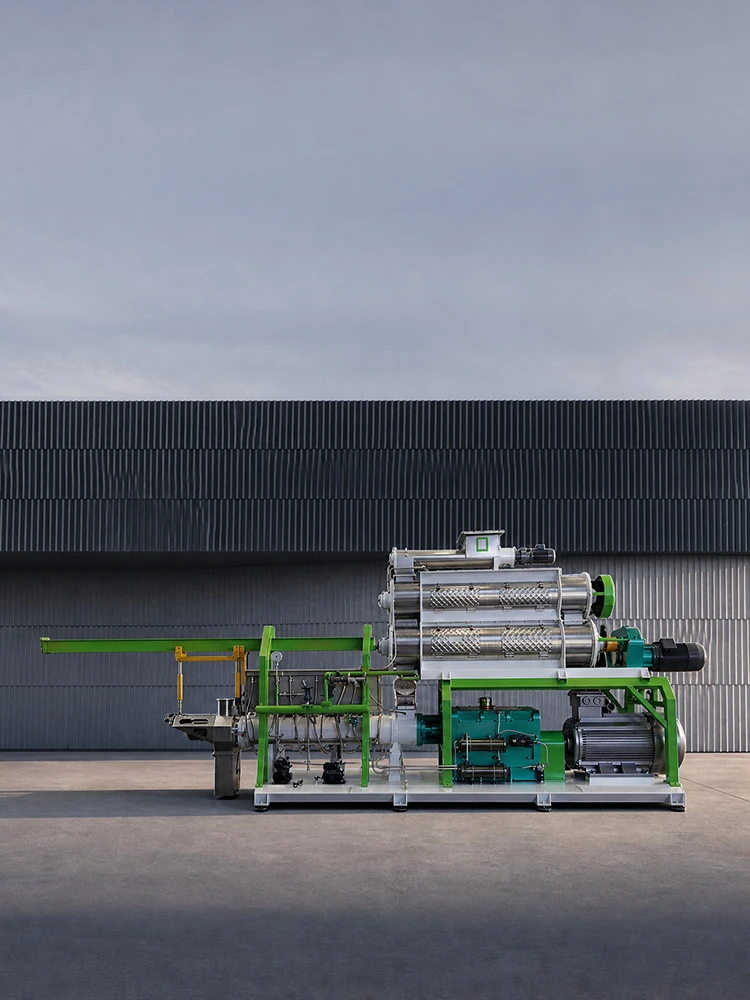
Why Is Fish Feed Processing Different From Ordinary Feed Making? Aquaculture has developed into an…
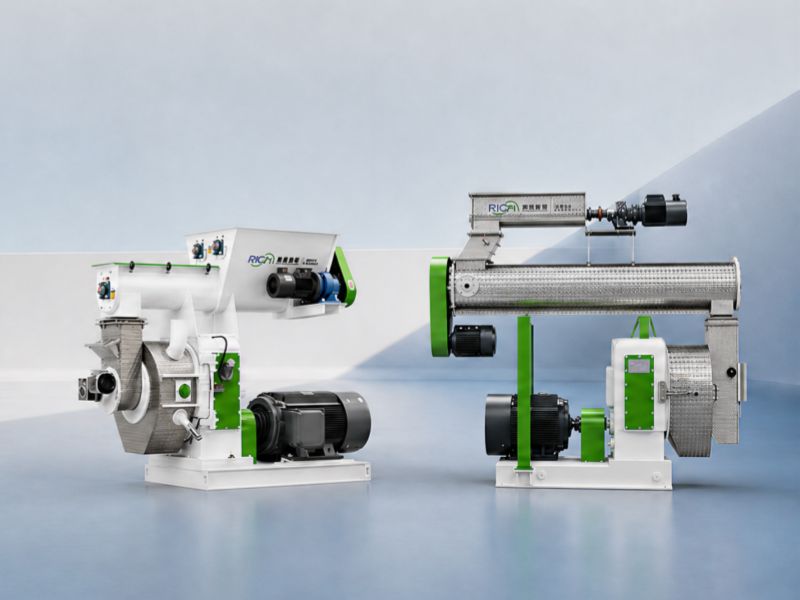
The Machine That Makes the Pellet Is Not the Whole Process When people discuss pelletized…
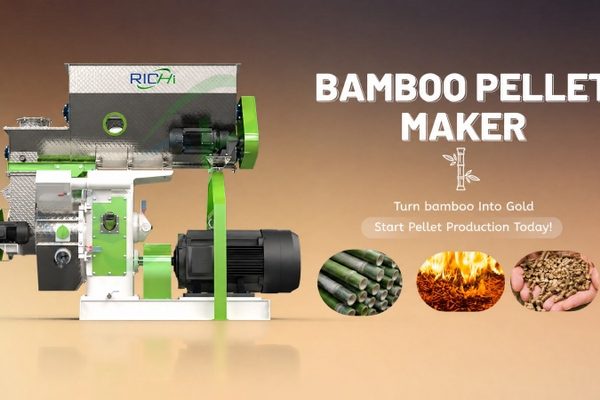
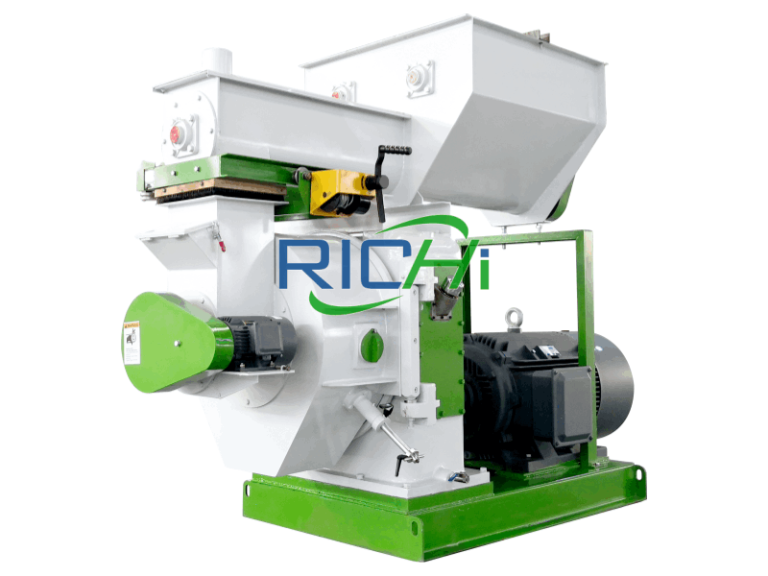
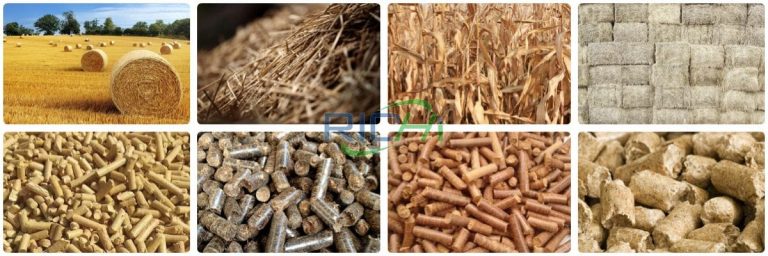
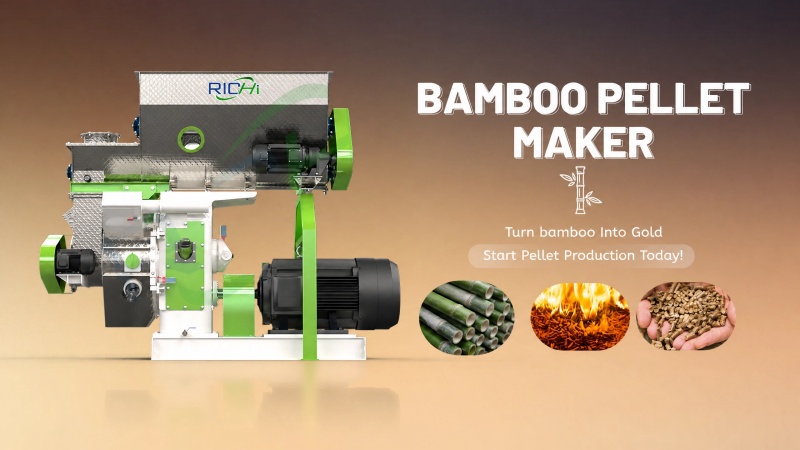
Bamboo is a fast-growing plant that can produce a considerable amount of biomass over relatively short periods. After harvesting and processing, bamboo residues can become bulky and difficult to transport efficiently. Pelletizing provides a way to compress this material into a denser fuel product. A bamboo pellet machine for biomass fuel is designed to compress…
Pet food manufacturing attracts investors for good reasons. Demand is steady, products are consumable, and owners buy repeatedly. Unlike fashion or electronics, pet food does not go out of style. A dog eats every day, and a cat eats every day. That predictability looks attractive on a business plan. But the industry also has a…
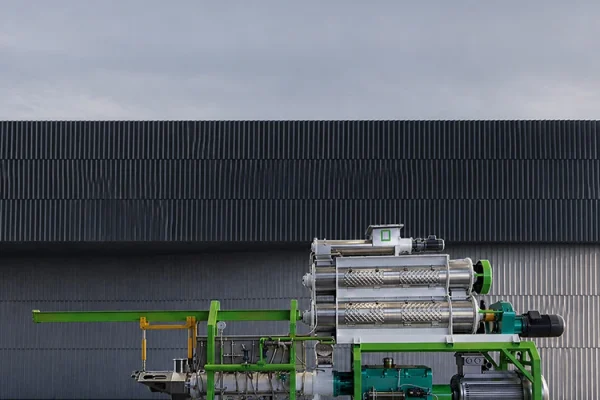
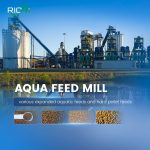
Why Is Fish Feed Processing Different From Ordinary Feed Making? Aquaculture has developed into an important source of food production in many parts of the world. As fish farming becomes more intensive, feed quality has a direct relationship with feeding efficiency, water management, and production practices. Unlike many terrestrial livestock feeds, aquatic feed must perform…
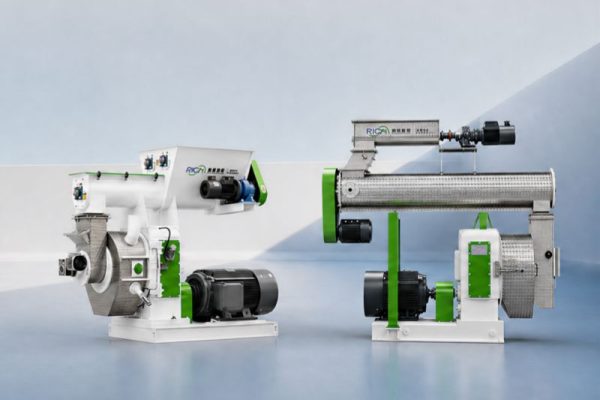
The Machine That Makes the Pellet Is Not the Whole Process When people discuss pelletized cat litter, attention naturally goes to the pellet mill. That makes sense: the pelletizing machine is the stage where loose material becomes a defined pellet. But pellet quality is often determined long before the material reaches the die. Raw-material size,…
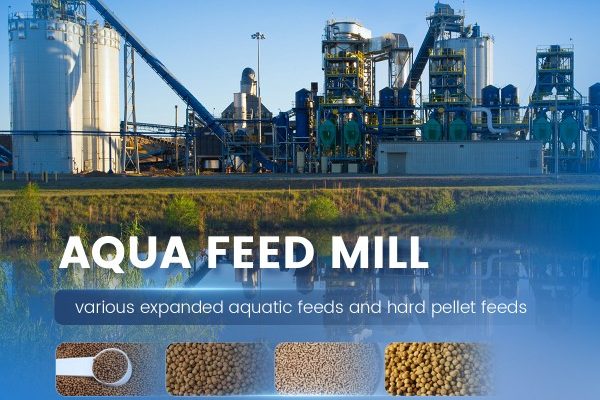
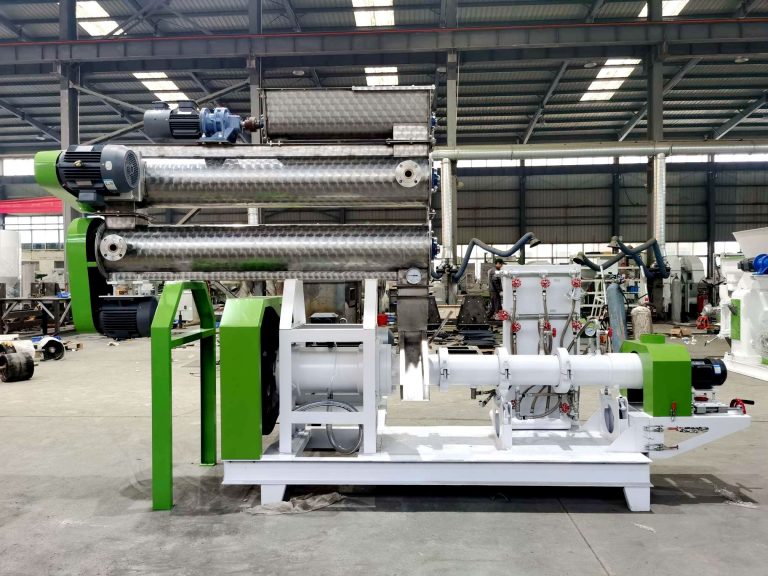
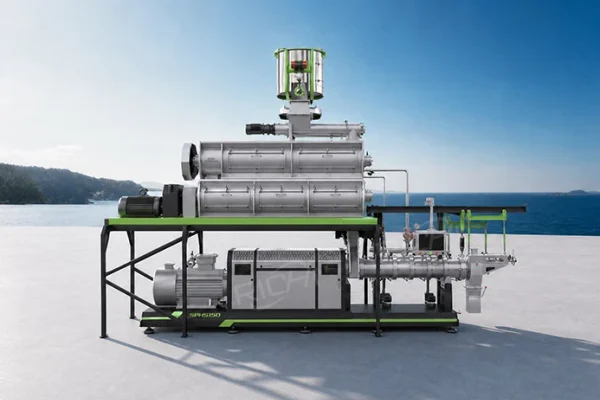
Setting up a sinking fish feed production line requires careful planning because fish feed quality depends on much more than the pelletizing stage. A successful project needs to integrate raw material preparation, grinding, batching, mixing, conditioning, pelletizing, drying, cooling, screening, coating, conveying, and packaging into one coordinated system. The objective is to produce stable and…
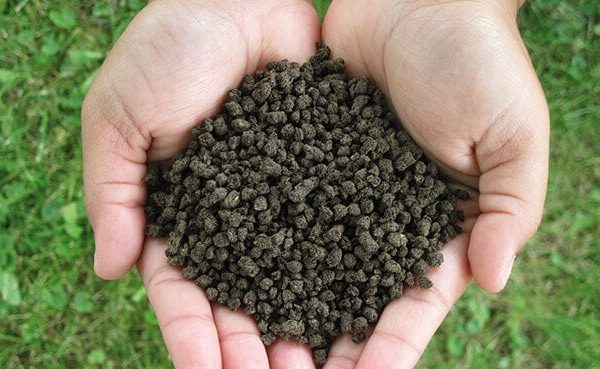
If you have been shopping for a fertilizer granulator, you have probably noticed something frustrating. The quotes you get back from different suppliers do not look like they are talking about the same machine. One quote is a few thousand dollars. Another is tens of thousands. A third is higher still. They all describe equipment…

When investors search for a corn stalk pellet machine, they often begin with one question: how much will the equipment cost? However, purchasing a pellet machine is not like buying a simple standalone workshop tool. The final investment can change substantially depending on raw material conditions, desired output, moisture control, automation, auxiliary equipment, and finished-product…
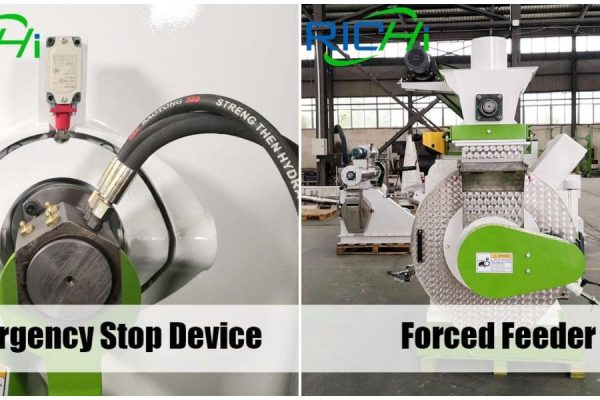
Every sawmill, woodworking shop, and furniture factory shares a common byproduct. It accumulates under saws, around planers, and in collection bins. It’s dusty, bulky, and a constant nuisance to manage. Some operations burn it in inefficient boilers. Others pay to have it hauled away. And in many cases, it simply piles up in corners, creating…
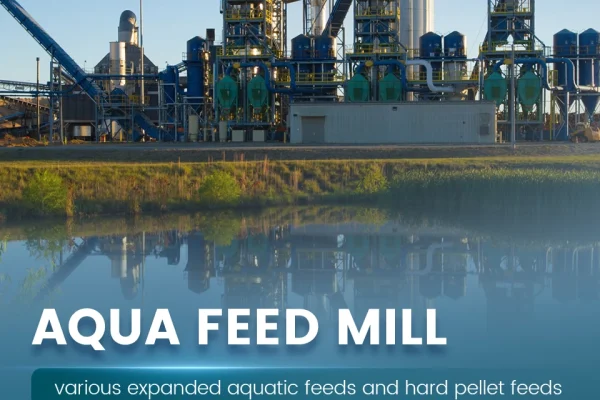
Sinking fish feed is an important feed type for many aquaculture species. While floating feed is widely used because farmers can easily observe feeding activity on the water surface, sinking pellets are particularly suitable for species and farming systems in which fish naturally feed below the surface. Properly formulated sinking feed can deliver balanced nutrition…
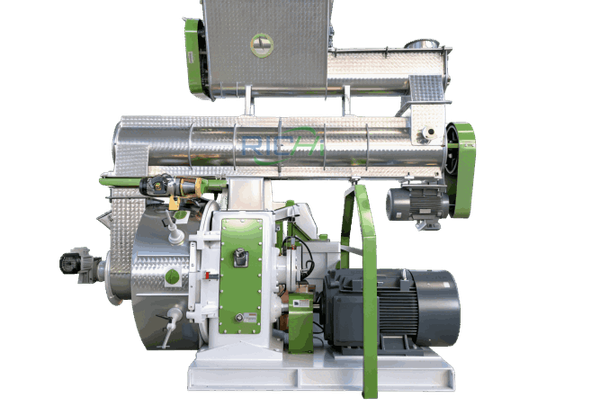
For goat farms planning their own feed production, capacity is one of the most important factors when selecting equipment. A machine that is too small may require long operating hours and create production bottlenecks, while an oversized system can increase the initial investment and remain underutilized. The right capacity depends on much more than the…