Sinking fish feed is an important feed type for many aquaculture species. While floating feed is widely used because farmers can easily observe feeding activity on the water surface, sinking pellets are particularly suitable for species and farming systems in which fish naturally feed below the surface. Properly formulated sinking feed can deliver balanced nutrition while reducing unnecessary feed losses and supporting efficient aquaculture management.
Producing high-quality sinking fish feed requires more than simply mixing ingredients and pressing them into pellets. The feed must have the right nutritional composition, pellet size, density, water stability, hardness, and sinking speed. Production technology also needs to be matched with the characteristics of the target species and the raw materials being used.
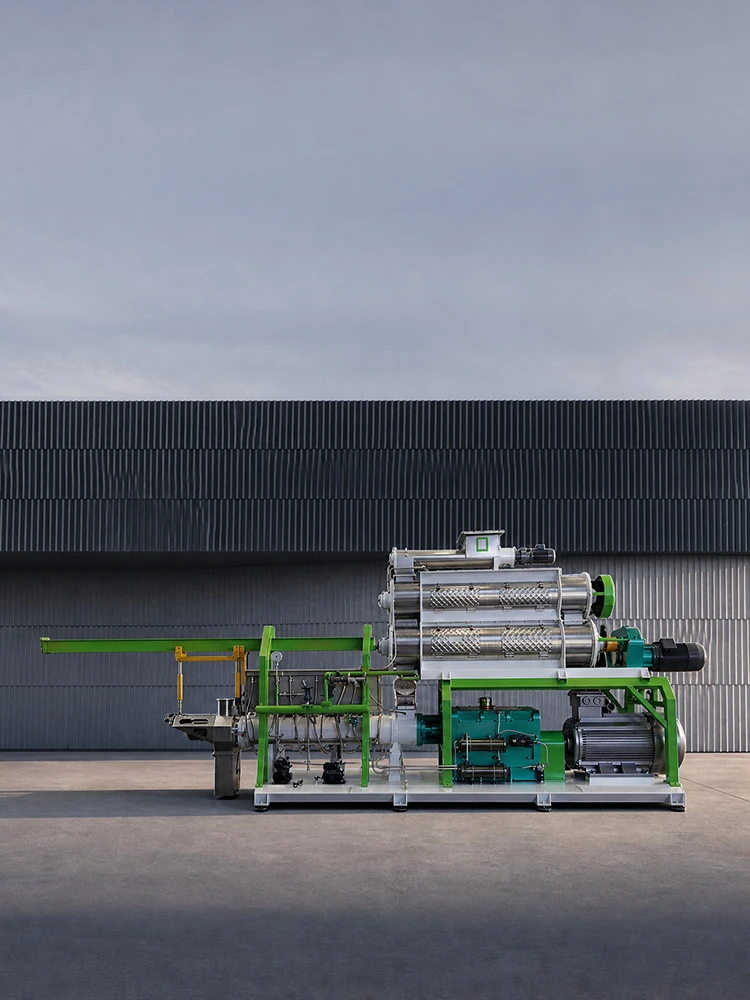
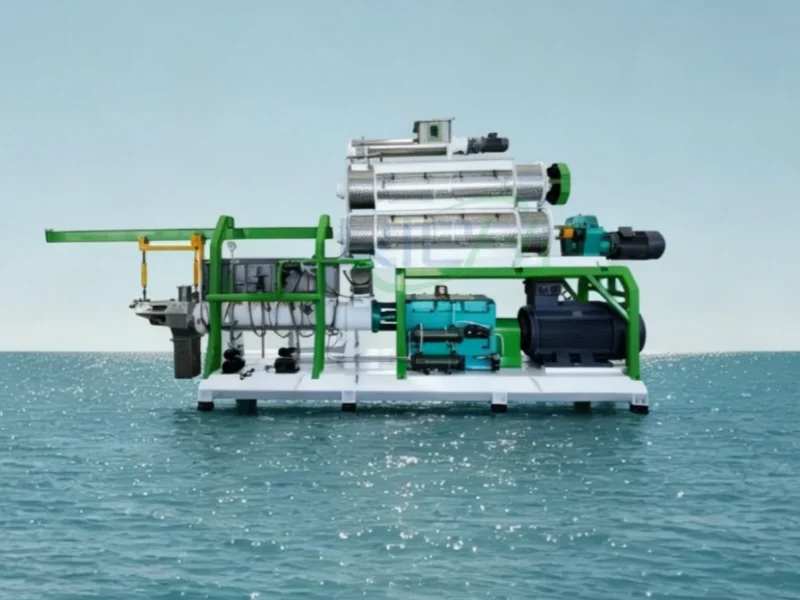
A complete production process may include raw material receiving, cleaning, grinding, batching, mixing, conditioning, pelletizing, cooling, screening, and packaging. A suitable fish feed pellet making machine is the core equipment used to transform the prepared feed mixture into uniform sinking pellets.
This article explains how to produce sinking fish feed step by step and how equipment, formulation, and processing conditions affect the final feed quality.
1. What Is Sinking Fish Feed?
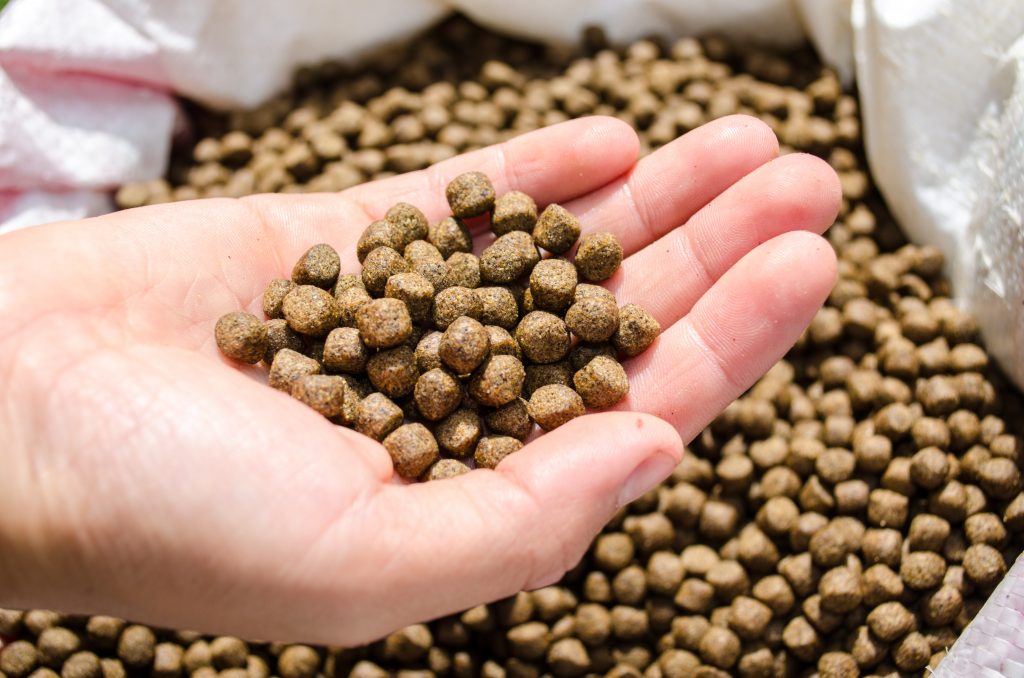
Sinking fish feed is a type of formulated aquaculture feed designed to sink through the water column and become available to fish below the surface.
It is commonly used for fish species that feed naturally in lower water layers or near the bottom.
Potential applications include:
- Carp farming
- Tilapia farming
- Catfish farming
- Some freshwater fish
- Certain marine fish
- Other bottom-feeding or mid-water species
The main difference between sinking and floating feed is the physical density and structure of the finished pellets.
Floating feed is manufactured to remain on the water surface for a period of time, while sinking feed is designed to move downward after entering the water.
2. Why Use Sinking Fish Feed?
Sinking feed can be useful in aquaculture systems where fish do not naturally feed at the water surface.
Some potential advantages include:
Suitable for Bottom-Feeding Fish
Sinking pellets can reach the feeding zone of fish that prefer lower water layers.
Flexible Feeding
Farmers can formulate pellets for different fish sizes and feeding stages.
Efficient Nutrient Delivery
A properly formulated pellet can provide energy, protein, lipids, vitamins, and minerals in a concentrated form.
Compatibility with Different Farming Systems
Sinking feed can be used in ponds, cages, tanks, and other aquaculture environments depending on the target species.
However, sinking speed should be controlled carefully. Pellets that sink too quickly may disappear into sediment before fish consume them, while pellets that remain suspended too long may not match the feeding behavior of the target species.
3. Determine the Nutritional Requirements
The first step in sinking fish feed production is determining the nutritional requirements of the target species.
Different fish have different requirements for:
- Protein
- Lipids
- Carbohydrates
- Energy
- Amino acids
- Vitamins
- Minerals
Requirements can also change according to:
- Fish species
- Fish size
- Growth stage
- Water temperature
- Farming system
- Production objective
For example, young fish generally require a feed with a higher nutrient density than larger fish.
Therefore, a single formula should not automatically be used for every stage of production.
A qualified aquaculture nutritionist can help establish appropriate nutrient targets.
4. Select Suitable Raw Materials
The next step is selecting suitable feed ingredients.
Common fish feed ingredients can include:
Protein Sources
- Fish meal
- Soybean meal
- Soy protein products
- Rapeseed meal
- Sunflower meal
- Other suitable plant protein ingredients
Energy Sources
- Corn
- Wheat
- Wheat flour
- Rice products
- Other cereal ingredients
Lipid Sources
- Fish oil
- Vegetable oils
- Other feed-grade lipid sources
Functional Ingredients
- Vitamin premixes
- Mineral premixes
- Amino acids
- Binders
- Other approved feed additives
The exact combination depends on the species and feed formula.
5. Protein Is Important for Fish Growth
Protein is one of the most important components of fish feed.
It supplies amino acids required for:
- Muscle growth
- Tissue development
- Enzyme production
- Hormone synthesis
- Body maintenance
Fish meal has traditionally been an important protein source in aquaculture feed, but plant-based protein ingredients are also widely used.
Soybean meal, for example, can provide significant protein and is widely available.
However, the nutritional quality of each ingredient should be evaluated rather than comparing ingredients only according to crude protein percentage.
6. Energy Ingredients
Fish feed also needs sufficient energy.
Energy sources can include:
- Corn
- Wheat
- Rice products
- Other cereal grains
- Oils
Providing appropriate dietary energy can help fish utilize protein efficiently for growth instead of using excessive amounts of protein as an energy source.
The balance between protein, lipid, and carbohydrate should be considered during formulation.
7. Lipids and Fish Feed
Lipids provide concentrated energy and can contribute essential fatty acids.
Common lipid sources include:
- Fish oil
- Soybean oil
- Canola oil
- Other vegetable oils
The appropriate lipid level depends on the fish species and growth stage.
Excessive oil can also create production problems, especially during pelleting, cooling, storage, and handling.
Therefore, oil addition should be carefully controlled.
8. Vitamins and Minerals
A complete fish feed normally requires appropriate vitamins and minerals.
These nutrients support:
- Bone development
- Metabolism
- Immune function
- Growth
- Reproduction
- Physiological processes
A vitamin-mineral premix can be incorporated into the formula.
The inclusion level should follow the requirements of the target species and applicable feed standards.
9. The Importance of Pellet Size
Pellet size should match the mouth size and feeding behavior of the fish.
Small fry require very small particles or micro-pellets.
Juvenile fish can consume small pellets.
Larger fish can generally consume larger pellets.
Using the wrong pellet size may lead to:
- Poor feed intake
- Increased waste
- Uneven growth
- Reduced feeding efficiency
A flexible pellet production system should therefore be capable of producing different pellet diameters.
10. Sinking Speed Must Be Controlled
One of the most important characteristics of sinking fish feed is sinking behavior.
The pellet should sink at an appropriate rate for the target species.
Important factors include:
- Pellet density
- Raw material composition
- Moisture
- Particle size
- Pellet diameter
- Compression
- Die specifications
- Production conditions
The objective is to produce pellets that reach the appropriate feeding zone without sinking unnecessarily fast.
11. Raw Material Cleaning
Before production, raw materials should be cleaned.
Cleaning equipment can remove:
- Stones
- Metal
- Soil
- Fibrous contaminants
- Other foreign materials
This protects downstream equipment and improves feed safety.
A magnet or magnetic separator may also be used to remove ferrous metal particles.
Clean raw materials provide a better starting point for consistent feed production.
12. Grinding the Ingredients
After cleaning, ingredients generally need to be ground.
A hammer mill is commonly used to reduce the particle size of grains and other dry ingredients.
Grinding can improve:
- Mixing uniformity
- Pellet formation
- Pellet surface quality
- Feed consistency
- Digestibility of certain ingredients
The appropriate particle size depends on the target fish and pellet size.
For smaller fish feed, finer particles are usually required.
13. Accurate Batching
Once ingredients are ground, they are weighed according to the feed formula.
Accurate batching is essential because even small errors can change the nutritional composition of the final feed.
Commercial production lines often use automatic batching systems.
These systems can accurately measure:
- Grains
- Protein meals
- Minerals
- Vitamins
- Additives
- Other ingredients
Automatic batching also improves production consistency.
14. Mixing the Feed Ingredients
After batching, the ingredients are transferred to a mixer.
The mixer should distribute the components evenly.
A typical mixture may contain:
Protein ingredients + Energy ingredients + Lipid sources + Vitamins + Minerals + Functional additives
Uniform mixing is particularly important for micro-ingredients such as vitamins and minerals.
Poor mixing can result in uneven nutrient distribution between pellets.
15. Add Water and Steam as Required
Moisture plays an important role in pellet formation.
Depending on the production process, water or steam may be introduced before or during pelleting.
Proper moisture helps the feed particles bind together.
Steam conditioning can also:
- Improve pellet formation
- Soften feed particles
- Improve starch gelatinization
- Increase pellet durability
- Improve production efficiency
The correct moisture level depends on the formula and equipment.
Too much moisture can cause soft pellets and increase cooling requirements.
Too little moisture can result in poor pellet formation.
16. Conditioning Before Pelletizing
For commercial sinking feed production, conditioning can be an important process.
The mixed feed enters a conditioner where steam is added under controlled conditions.
During conditioning:
- Temperature increases
- Moisture increases
- Feed particles become softer
- Binding properties can improve
The conditioning parameters should be adjusted according to the raw materials.
For example, formulas containing different levels of starch, protein, and fiber can respond differently to conditioning.
17. Select a Suitable Fish Feed Pellet Making Machine
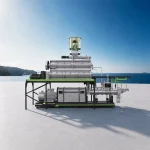
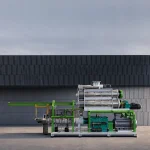
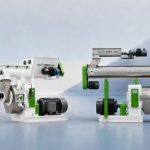
The pellet mill is the key equipment for sinking feed production.
A suitable fish feed pellet making machine should be selected according to:
- Production capacity
- Feed formula
- Pellet diameter
- Raw material characteristics
- Desired pellet density
- Production scale
- Automation requirements
For smaller farms, compact pellet mills may be sufficient.
For commercial aquaculture feed factories, ring-die pellet mills or specialized feed pelletizing systems may be more appropriate.
The equipment should be selected according to the actual production requirements.
https://pelletisingmachine.com/fish-feed-pellet-making-machine
18. How the Pelletizing Process Works
During pelletizing, the prepared feed mixture is compressed through holes in a die.
The rollers apply pressure to the feed material.
The material is forced through the die holes and formed into continuous strands.
A cutting system then produces pellets of the required length.
The final pellet characteristics depend on:
- Die specifications
- Roller pressure
- Raw material composition
- Particle size
- Moisture
- Conditioning
- Cutting settings
Proper adjustment is essential for stable production.
19. Controlling Pellet Density
Density is particularly important for sinking fish feed.
Pellets must be dense enough to sink.
However, excessive density may cause the pellets to sink too quickly.
Pellet density can be influenced by:
- Ingredient selection
- Grinding
- Moisture
- Conditioning
- Compression
- Die configuration
- Pellet diameter
Feed producers should test the finished pellets in water to determine whether their sinking behavior matches the target species.
20. Cooling the Pellets
Fresh pellets leave the pellet mill at elevated temperature.
They need to be cooled before packaging.
A pellet cooler can remove:
- Heat
- Excess moisture
Proper cooling improves:
- Pellet stability
- Storage life
- Handling performance
- Product quality
Commercial feed plants typically use counterflow coolers for continuous production.
21. Screening the Finished Feed
After cooling, the pellets pass through a screening machine.
The screener removes:
- Fines
- Broken pellets
- Oversized particles
Fines can often be recycled into the production process.
Screening improves product consistency and reduces feed waste.
For commercial fish feed, uniformity is particularly important because pellet size affects feeding efficiency and feed consumption.
22. Packaging Sinking Fish Feed
After screening, the finished pellets can be packaged.
Packaging options include:
- Small retail bags
- Standard feed bags
- Large bulk bags
- Bulk storage
Packaging should protect the feed from:
- Moisture
- Contamination
- Insects
- Physical damage
The bags should be stored in a dry and well-ventilated warehouse.
23. Water Stability Is Important
Sinking fish feed should not disintegrate immediately after entering the water.
If pellets break apart too quickly, nutrients may disperse into the water before fish consume them.
This can result in:
- Feed waste
- Increased water pollution
- Reduced feed utilization
- Higher production costs
Water stability can be influenced by:
- Ingredient selection
- Grinding
- Starch content
- Conditioning
- Pellet compression
- Binders
- Die configuration
Therefore, water stability should be tested during product development.
24. Test the Finished Pellets
Quality control should be conducted before the feed is released.
Important characteristics to evaluate include:
Physical Quality
- Pellet diameter
- Pellet length
- Density
- Hardness
- Durability
Water Performance
- Sinking speed
- Water stability
- Disintegration time
Nutritional Quality
- Protein
- Fat
- Fiber
- Moisture
- Minerals
- Other relevant nutrients
Laboratory testing can provide more accurate nutritional information.
25. Producing Feed for Different Fish Species
Different fish species have different feeding behaviors.
For example, some fish feed primarily near the surface, while others prefer the middle or bottom of the water column.
Therefore, sinking feed should be designed according to the target species.
The formula may also change according to:
- Fish size
- Growth stage
- Water temperature
- Farming environment
- Feed intake
- Production goals
A commercial feed factory may manufacture multiple formulas using the same basic production system.
26. Sinking Feed for Tilapia
Tilapia are widely farmed in ponds, cages, and tanks.
Depending on the feeding system and production stage, farmers may use floating or sinking feed.
Sinking pellets can be appropriate in certain farming situations.
The feed should provide appropriate protein, energy, minerals, vitamins, and amino acids.
Pellet size should be matched to the size of the fish.
27. Sinking Feed for Carp
Carp are commonly associated with lower-water or bottom feeding behavior.
Sinking pellets can therefore be useful in carp aquaculture.
The pellet should remain intact long enough for the fish to consume it while sinking at a suitable speed.
Farmers can adjust feeding rates according to fish biomass and water conditions.
28. Sinking Feed for Catfish
Catfish can also consume sinking pellets.
Because catfish may feed at lower water levels, sinking feed can make the feed available in their preferred feeding zone.
Feed formulation should be adapted to the growth stage and nutritional requirements of the species.
29. How to Reduce Feed Waste
Feed represents a major operating cost in aquaculture.
Several practices can improve feed efficiency.
Match Pellet Size to Fish
Pellets that are too large or too small can reduce feed intake.
Control Feeding Rate
Avoid excessive feeding.
Observe Fish Behavior
Adjust feeding according to actual consumption.
Maintain Pellet Quality
Poor water stability can increase nutrient loss.
Store Feed Correctly
Moisture and heat can reduce feed quality.
Test Sinking Speed
Ensure the pellets reach the intended feeding zone.
30. How to Reduce Sinking Fish Feed Production Costs
Feed manufacturers can control costs through several strategies.
Use Suitable Local Ingredients
Local ingredients can reduce transportation costs.
Optimize Formulas
Balance nutritional requirements with ingredient prices.
Improve Grinding Efficiency
Avoid unnecessary energy consumption.
Reduce Pellet Fines
Optimize conditioning, die settings, and cooling.
Maintain Equipment
Well-maintained machinery operates more efficiently.
Reduce Material Losses
Efficient conveying, screening, and packaging systems reduce waste.
31. Small-Scale Sinking Fish Feed Production
Small aquaculture farms may not require a fully automated feed factory.
A basic production system may include:
Crusher → Mixer → Pellet Mill → Cooler → Screener
Some operations can be manually handled.
This type of system can be useful when farms have relatively low feed requirements and access to suitable local ingredients.
A small-scale producer can gradually upgrade the production system as aquaculture capacity expands.
32. Commercial Sinking Fish Feed Production Line
A commercial fish feed production line normally requires more comprehensive equipment.
A typical production line may include:
- Raw material receiving system
- Cleaning machine
- Hammer mill
- Batching system
- Mixer
- Steam conditioner
- Fish feed pellet mill
- Pellet cooler
- Screening machine
- Packaging machine
- Dust collection system
- Electrical control system
The production capacity can be customized according to the market demand and factory investment plan.
33. Pellet Mill or Extruder for Sinking Feed?
Not all sinking fish feed is produced in exactly the same way.
Pellet mills produce compressed feed pellets using mechanical pressure.
Extruders use a combination of pressure, heat, moisture, and mechanical shear.
Both technologies can be used for aquaculture feed, depending on the desired product characteristics.
Traditional compressed sinking pellets can be produced using a suitable fish feed pellet mill, while extrusion may be selected when specific water stability, density, texture, or cooking characteristics are required.
The correct technology should therefore be selected according to the target species and product specifications.
34. How to Design a Sinking Fish Feed Production Line
Before investing in equipment, manufacturers should determine:
Target Fish
What species will consume the feed?
Feed Type
Will the factory produce sinking pellets only, or both floating and sinking feed?
Capacity
How many tons per hour are required?
Raw Materials
Which ingredients are locally available?
Pellet Specifications
What diameters and densities are required?
Automation
How much manual labor is available?
Factory Layout
How much space is available?
Future Expansion
Will production capacity increase later?
These factors determine the appropriate equipment configuration.
35. RICHI Fish Feed Production Solutions
RICHI Pelletizer provides customized aquaculture feed processing equipment and turnkey fish feed production solutions.
Production systems can be designed according to:
- Fish species
- Feed formulas
- Raw materials
- Production capacity
- Pellet specifications
- Factory layout
- Automation requirements
- Investment budget
A typical sinking feed production process can include:
Raw Material Receiving → Cleaning → Grinding → Batching → Mixing → Conditioning → Pelletizing → Cooling → Screening → Packaging
A properly configured fish feed pellet making machine can serve as the core pelletizing equipment for compressed sinking fish feed.
For larger commercial projects, RICHI can integrate grinding, batching, mixing, conditioning, pelletizing, cooling, screening, packaging, dust collection, and electrical control systems into a complete production line.
Turnkey services can include customized production line design, equipment manufacturing, overseas transportation and customs clearance, on-site installation and commissioning, operator training, spare parts supply, and long-term technical support.
36. Step-by-Step Sinking Fish Feed Production Process
The complete process can be summarized as follows:
Step 1: Identify the Target Fish
Determine species, size, growth stage, and feeding behavior.
Step 2: Determine Nutritional Requirements
Set appropriate targets for protein, energy, lipids, minerals, and vitamins.
Step 3: Select Raw Materials
Choose suitable protein, energy, lipid, vitamin, mineral, and functional ingredients.
Step 4: Test Ingredients
Check nutritional value, moisture, contamination, and storage quality.
Step 5: Clean the Materials
Remove foreign materials.
Step 6: Grind
Reduce raw materials to an appropriate particle size.
Step 7: Batch
Accurately weigh each ingredient.
Step 8: Mix
Create a homogeneous feed mixture.
Step 9: Condition
Apply appropriate moisture and heat.
Step 10: Pelletize
Use the appropriate pellet mill and die.
Step 11: Control Density
Adjust the production process to achieve the desired sinking behavior.
Step 12: Cool
Remove excess heat and moisture.
Step 13: Screen
Separate fines and broken pellets.
Step 14: Test
Evaluate nutritional and physical quality.
Step 15: Package
Pack and store the finished feed correctly.
37. Best Practices for Efficient Sinking Feed Production
Efficient production requires attention to the entire system rather than just the pellet mill.
Keep Raw Materials Consistent
Consistent ingredient quality improves formula stability.
Maintain Accurate Batching
Accurate weighing ensures nutritional consistency.
Optimize Mixing
Uniform mixing prevents nutrient variation.
Control Conditioning
Proper moisture and temperature improve pellet formation.
Monitor Pellet Quality
Regularly check density, hardness, sinking speed, and water stability.
Maintain Equipment
Regular maintenance reduces downtime.
Train Operators
Skilled operators can identify process problems early.
Conclusion
Producing high-quality sinking fish feed is a combination of nutritional formulation, raw material preparation, pelletizing technology, quality control, and efficient aquaculture management.
The process begins by identifying the target fish species and determining their nutritional requirements. Suitable protein sources such as fish meal and soybean meal can be combined with energy ingredients such as corn and wheat, while oils, vitamins, minerals, amino acids, and other feed additives can be included according to the formulation.
The raw materials should then be cleaned, ground, accurately batched, and thoroughly mixed. Conditioning can improve the pelleting process, while a suitable fish feed pellet making machine can compress the prepared mixture into uniform sinking pellets. After pelletizing, the feed should be cooled, screened, tested, packaged, and stored properly.
For sinking feed, pellet density, sinking speed, water stability, pellet size, and durability are particularly important. The finished product should sink at an appropriate rate and remain stable long enough for fish to consume it efficiently.
For small farms, a compact production system may be sufficient. Commercial aquaculture feed manufacturers can establish a complete production line integrating cleaning, grinding, batching, mixing, conditioning, pelletizing, cooling, screening, and packaging.
Ultimately, efficient sinking fish feed production is not simply about making pellets. It is about producing nutritionally balanced, physically stable, species-appropriate feed at a competitive cost. With suitable raw materials, optimized processing parameters, reliable equipment, and effective quality control, sinking fish feed can become an important tool for improving feed utilization and supporting more efficient aquaculture production.