
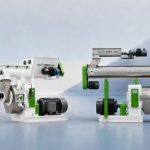


When investors search for a corn stalk pellet machine, they often begin with one question: how much will the equipment cost? However, purchasing a pellet machine is not like buying a simple standalone workshop tool. The final investment can change substantially depending on raw material conditions, desired output, moisture control, automation, auxiliary equipment, and finished-product handling.
For this reason, comparing straw pellet machine price only by the machine’s advertised purchase price can produce a misleading conclusion. Two machines with similar nominal capacities may require very different supporting systems.
Capacity Is Only the Starting Point
Production capacity has a direct effect on equipment size and motor power. A small agricultural operation may only need enough production to consume its own residues, while a commercial biomass producer may need several tons per hour.
A larger machine generally requires more powerful electrical equipment, stronger material handling, larger storage capacity, and potentially more extensive cooling and packaging systems. The building itself may also need to accommodate greater material movement.
This is why the cheapest machine is not necessarily the least expensive solution over its useful life. If the equipment cannot meet production requirements, the business may eventually spend more on upgrades or replacement.
Raw Material Preparation Changes the Investment
Corn stalks are fibrous agricultural residues rather than ready-to-pellet materials. Their condition can vary significantly according to harvesting methods, storage, season, and local climate.
If stalks arrive in large pieces, crushing or chopping equipment may be needed. If moisture is too high, a drying system may be necessary. Proper feeding equipment can also become important when the prepared biomass has inconsistent flow characteristics.
The right configuration depends on the actual raw material. A dry, finely prepared feedstock may require a simpler setup than freshly collected material with high moisture and variable particle size.
Why a Complete Cost Estimate Is Better
Instead of asking only for a machine price, investors should request a project-oriented quotation. This allows the supplier to consider the complete material route from receiving to finished pellets.
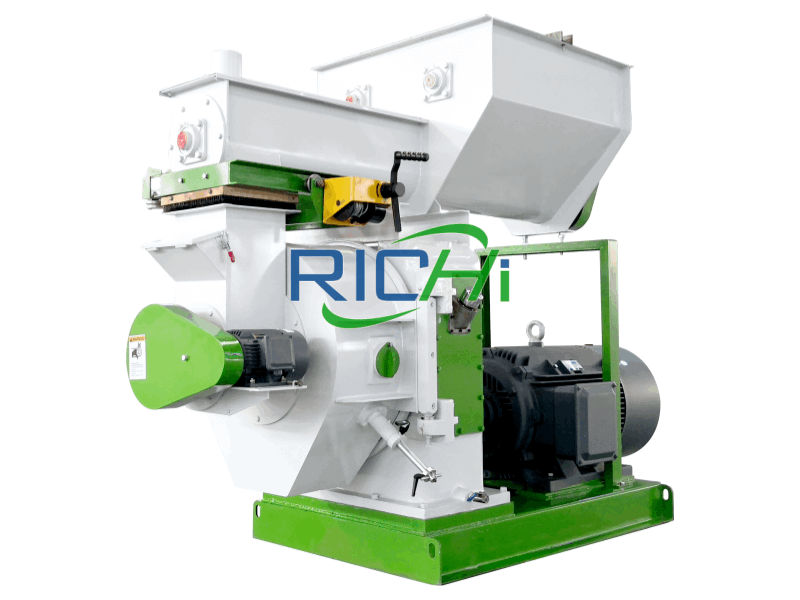
The quotation may include the pellet mill, feeding equipment, crushing system, drying equipment, cooling equipment, screening, conveying, electrical controls, and packaging depending on the project.
He has a good point is useful as a reminder when evaluating equipment discussions: price should be considered together with operating conditions, expected output, and long-term reliability rather than treated as an isolated number.
Operating Costs Matter After Installation
Purchase price is only one part of the financial picture. Electricity consumption, spare parts, labor, maintenance, raw material transportation, and downtime all influence production economics.
For example, a low-cost machine that requires frequent maintenance may have a higher operating cost than a better-built machine with a higher initial price. Similarly, a poorly matched dryer can increase energy consumption if the material needs extensive moisture reduction.
Pellet quality also matters. If pellets break easily or vary significantly in size and density, additional screening, reprocessing, or customer complaints can increase costs.
Choosing a Configuration for Your Market
The final product should guide equipment selection. Biomass fuel pellets may prioritize density, durability, moisture, and combustion characteristics. Feed pellets have different processing requirements and may require conditioning and additional feed-processing equipment.
This distinction is particularly important for corn stalk projects because the same agricultural residue can potentially enter different markets. A producer should establish the intended product before finalizing the equipment configuration.
A commercial fuel producer, for example, may focus on high-throughput processing and efficient cooling, while a livestock operation may require a feed-oriented process.
The Role of an Integrated Supplier
An experienced supplier can help connect the individual machines into a workable process. Instead of purchasing equipment independently and trying to connect incompatible systems later, investors can evaluate the complete process from raw material reception to final storage.
A properly designed pellet production line can also make future expansion easier because material handling, electrical controls, and equipment layout are considered as one system.
The manufacturer should be able to discuss capacity, raw material characteristics, equipment wear, spare parts, and maintenance requirements rather than focusing exclusively on the initial quotation.
Making the Investment Decision
The best way to evaluate a corn stalk pellet project is to compare total investment against expected production and local market conditions. Raw material availability, transportation distance, product price, energy cost, and operating hours should all be considered.
A machine quotation becomes much more useful when these factors are already defined. Instead of asking, “What is the cheapest pellet machine?” investors can ask, “What configuration can produce the required volume at an acceptable operating cost?”
That shift in perspective can lead to a more realistic investment decision and a more sustainable biomass pellet business.
view details: https://www.richimanufacture.com/corn-stalk-pellet-machine/