Introduction
Aquaculture has become one of the fastest-growing food production sectors in the world. As global populations rise and wild fish stocks face increasing pressure from overfishing, aquatic farming is emerging as a critical solution for meeting the demand for high-quality protein. Fish, shrimp, and other aquatic products are now farmed in almost every region of the world, from Asia and Africa to Europe and the Americas.
At the center of this rapid expansion is aquatic feed production. Feed is the foundation of aquaculture success, directly influencing growth rates, survival, feed conversion efficiency, and overall profitability. As a result, the demand for high-quality aquatic feed has increased significantly, driving rapid growth in feed manufacturing industries worldwide.
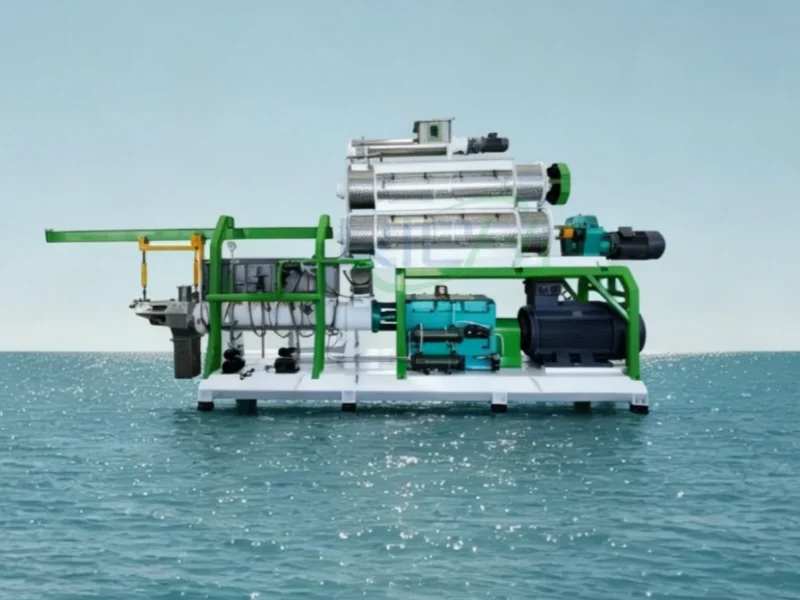
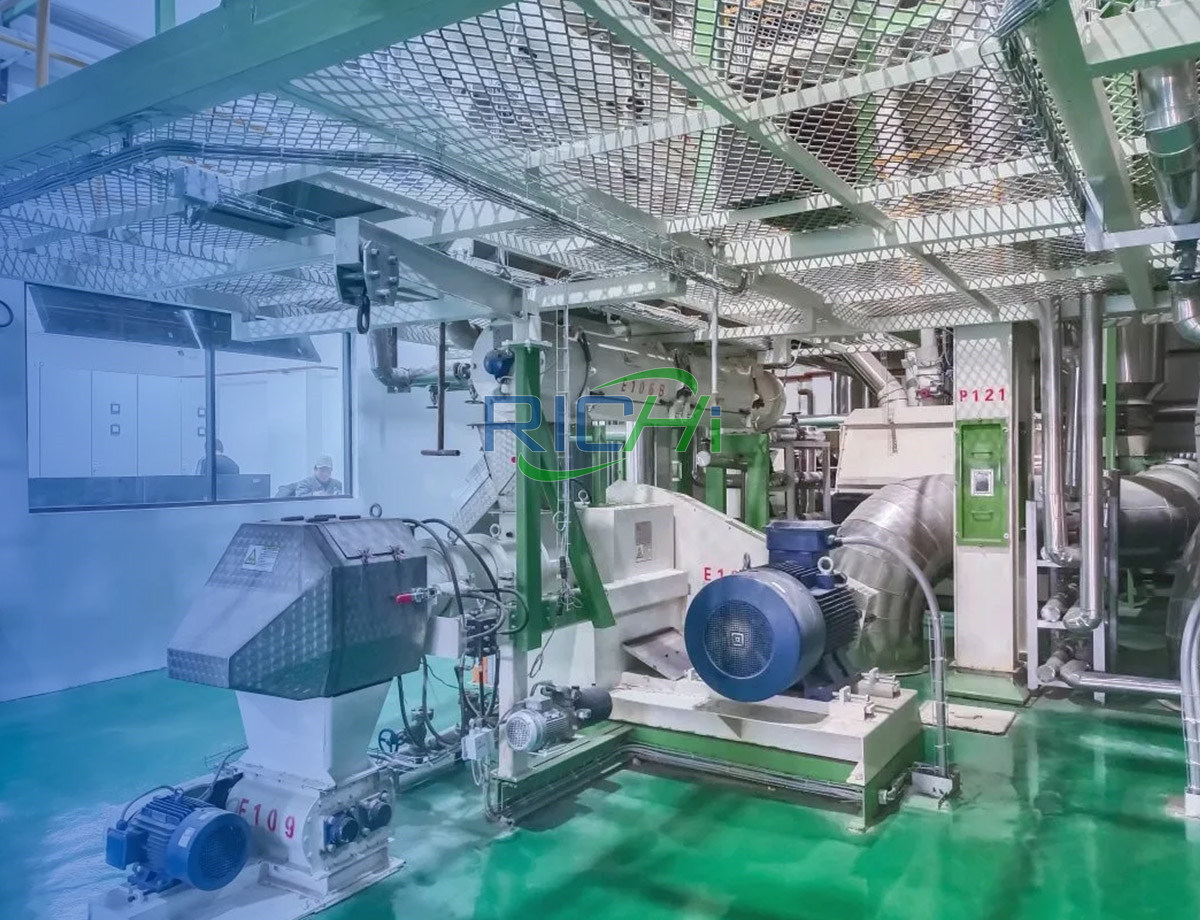
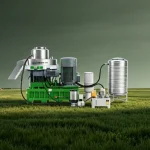
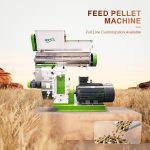
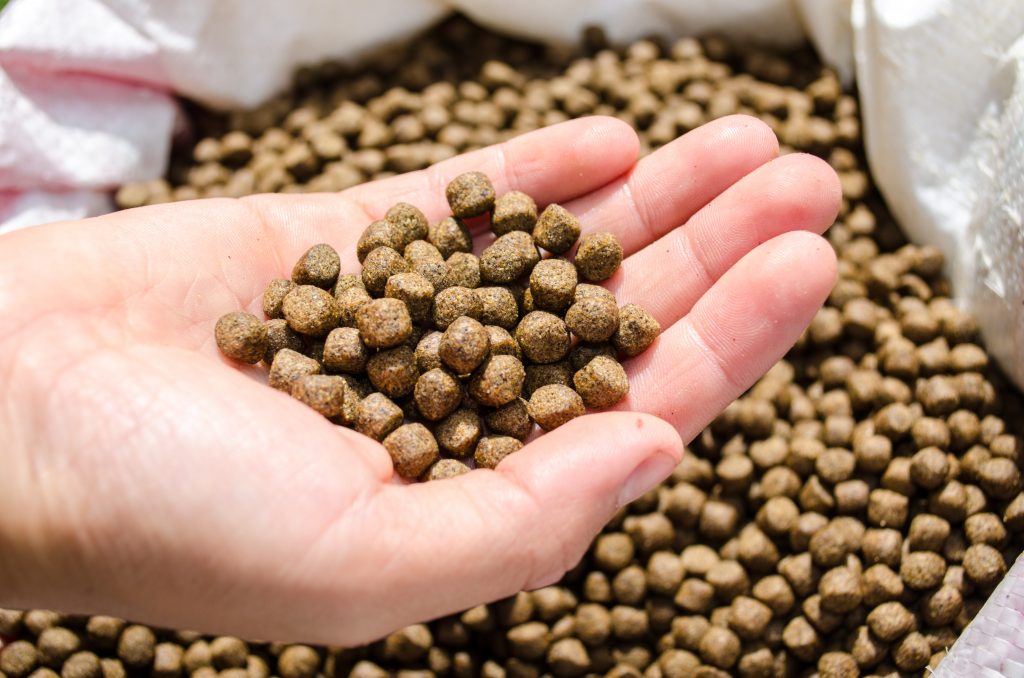
Modern feed production relies heavily on advanced processing technologies and equipment such as the aqua feed machine, which helps manufacturers produce consistent, nutritionally balanced, and durable feed pellets at scale. This article explores the key reasons why aquatic feed production is growing globally and how technological, economic, and environmental factors are shaping the industry.
Rising Global Demand for Seafood
One of the most important drivers of aquatic feed production growth is the increasing global demand for seafood.
Population Growth and Protein Demand
As the world population continues to grow, demand for animal protein is rising. Fish is widely recognized as a healthy and affordable protein source, rich in omega-3 fatty acids and essential nutrients.
Compared with terrestrial livestock, fish:
- Convert feed into protein more efficiently
- Require less land and water
- Produce lower greenhouse gas emissions
These advantages make aquaculture an attractive solution for global food security.
Decline of Wild Fish Stocks
Overfishing and environmental degradation have reduced wild fish populations in many regions. As capture fisheries plateau or decline, aquaculture fills the supply gap.
This shift has significantly increased the demand for industrial aquatic feed production systems.
Expansion of Aquaculture Industry
The global aquaculture industry has expanded rapidly over the past few decades.
Growth in Farming Species
Modern aquaculture includes a wide range of species:
- Tilapia
- Catfish
- Salmon
- Carp
- Shrimp
- Trout
- Marine fish species
Each species requires specialized feed formulations, increasing the need for advanced feed production systems.
Intensification of Farming Systems
Traditional extensive farming methods are being replaced by intensive and semi-intensive systems. These systems rely heavily on formulated feed rather than natural food sources.
As farming becomes more intensive:
- Feed demand increases
- Nutritional requirements become more precise
- Production systems require higher efficiency
This intensification directly drives growth in aquatic feed manufacturing.
Importance of Feed in Aquaculture Economics
Feed is the largest cost component in aquaculture production.
Feed Cost Structure
In most fish farming operations, feed accounts for:
- 50% to 70% of total production costs
Because of this, improving feed efficiency has a direct impact on profitability.
Feed Conversion Efficiency
Efficient aquatic feed reduces the feed conversion ratio (FCR), meaning:
- Less feed is required to produce 1 kg of fish
- Production becomes more cost-effective
- Environmental impact is reduced
As farmers seek better efficiency, demand for high-quality feed continues to rise.
Technological Advancements in Feed Production
Modern technology plays a major role in the growth of aquatic feed production.
https://pelletisingmachine.com/aqua-feed-machine
Automated Processing Systems
Today’s feed mills use automated systems for:
- Ingredient weighing
- Grinding
- Mixing
- Pelletizing
- Drying
- Packaging
Automation improves consistency and reduces labor costs.
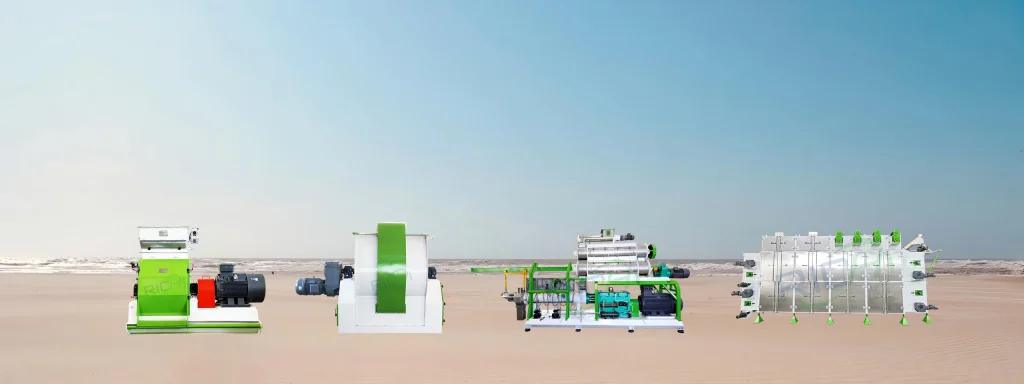
Role of Aqua Feed Machines
The aqua feed machine is one of the most important innovations in feed manufacturing.
It allows producers to:
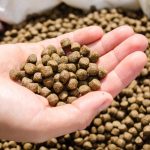
- Produce uniform feed pellets
- Control pellet density and size
- Improve digestibility of feed
- Reduce production waste
- Increase production capacity
Modern machines are capable of producing both floating and sinking feed, depending on aquaculture requirements.
Increasing Demand for Floating and Sinking Feed
Different fish species require different feeding behaviors.
Floating Feed
Floating feed is widely used in:
- Tilapia farming
- Catfish farming
- Ornamental fish production
It allows farmers to:
- Monitor feeding behavior
- Reduce feed waste
- Improve feeding efficiency
Sinking Feed
Sinking feed is used for:
- Shrimp farming
- Bottom-feeding fish species
- Deep-water aquaculture systems
The flexibility provided by modern feed production systems contributes to industry growth.
Sustainability and Environmental Concerns
Sustainability is another major factor driving aquatic feed production growth.
Efficient Resource Utilization
Aquaculture uses feed more efficiently than traditional livestock production.
This helps:
- Reduce pressure on land resources
- Lower water usage
- Improve food system efficiency
Reduced Environmental Impact
High-quality aquatic feed reduces:
- Nutrient pollution
- Feed waste
- Water contamination
Modern feed production systems are designed to improve environmental performance.
Sustainable Ingredient Development
Feed manufacturers are increasingly using:
- Insect protein
- Algae-based ingredients
- Plant-based protein alternatives
These innovations support long-term sustainability.
Global Expansion of Feed Manufacturing Industry
Aquatic feed production is no longer concentrated in a few regions.
Asia as a Leading Market
Countries such as China, Vietnam, India, and Indonesia are major aquaculture producers.
These regions drive global demand for feed production equipment and technology.
Growth in Africa and South America
Emerging aquaculture industries in Africa and South America are expanding rapidly due to:
- Government support
- Increasing food demand
- Investment in aquaculture infrastructure
This expansion increases global feed production requirements.
Role of Feed Quality in Industry Growth
High-quality feed is essential for successful aquaculture operations.
Improved Fish Growth Performance
Better feed leads to:
- Faster growth rates
- Higher survival rates
- Better health conditions
Reduced Disease Risk
Proper nutrition strengthens fish immune systems, reducing disease outbreaks.
Better Market Value
High-quality fish command higher prices in the market.
As a result, farmers prefer high-quality commercial feed over traditional feeding methods.(over at this website)
Impact of Feed Production Efficiency
Efficiency improvements in feed production contribute significantly to industry growth.
Higher Production Capacity
Modern factories can produce large quantities of feed per hour.
Reduced Production Costs
Automation reduces:
- Labor costs
- Energy consumption
- Material waste
Consistent Product Quality
Uniform feed quality improves customer satisfaction and market stability.
Increasing Investment in Feed Production Equipment
The growth of aquaculture has increased demand for production equipment.
Industrial Feed Mills
Large-scale feed mills require advanced systems for continuous production.
Small and Medium Enterprises
Smaller producers are also investing in compact and cost-effective equipment.
Importance of Aqua Feed Machines
The aqua feed machine is widely used in both large and small production setups due to its versatility and efficiency.
It supports:
- High output production
- Flexible feed formulation
- Easy operation and maintenance
Digitalization and Smart Manufacturing
Modern feed production is becoming increasingly digital.
Smart Monitoring Systems
Sensors track:
- Temperature
- Moisture
- Production speed
- Equipment performance
Data-Driven Optimization
Manufacturers use data to:
- Improve efficiency
- Reduce waste
- Enhance product quality
Predictive Maintenance
Early detection of equipment issues reduces downtime and improves reliability.
Economic Opportunities in Aquatic Feed Production
The industry offers significant business opportunities.
High Demand Market
Growing aquaculture ensures stable demand for feed products.
Export Opportunities
Many countries export feed to developing aquaculture regions.
Value-Added Products
Premium feed formulations offer higher profit margins.
Equipment Sales Growth
Demand for machinery such as the aqua feed machine continues to increase globally.
Challenges Facing the Industry
Despite strong growth, the industry faces several challenges.
Raw Material Price Fluctuations
Ingredient costs can vary significantly.
Technical Skill Requirements
Advanced production systems require skilled operators.
Environmental Regulations
Stricter environmental policies affect production practices.
Capital Investment Requirements
Feed production facilities require significant upfront investment.
Future Trends in Aquatic Feed Production
The future of the industry will be shaped by innovation.
Precision Nutrition
Feeds will be tailored to specific species and growth stages.
Artificial Intelligence Integration
AI will optimize production processes in real time.
Alternative Protein Sources
Insect and microbial proteins will become more widely used.
Fully Automated Feed Plants
Future facilities may operate with minimal human intervention.
Improved Equipment Design
Next-generation aqua feed machine systems will offer higher efficiency, lower energy consumption, and improved feed quality.
Conclusion
Aquatic feed production is growing rapidly worldwide due to rising seafood demand, expansion of aquaculture, technological advancements, and increasing focus on sustainability. Feed is the foundation of aquaculture success, and its importance continues to grow as farming systems become more intensive and technologically advanced.
Modern equipment such as the aqua feed pellet machine plays a key role in this expansion by enabling efficient, high-quality, and scalable feed production. As global aquaculture continues to develop, the aquatic feed industry will remain a vital component of the global food supply chain, offering strong growth potential for manufacturers, investors, and technology providers.
The combination of economic opportunity, environmental necessity, and technological innovation ensures that aquatic feed production will continue to expand and evolve in the coming decades.