
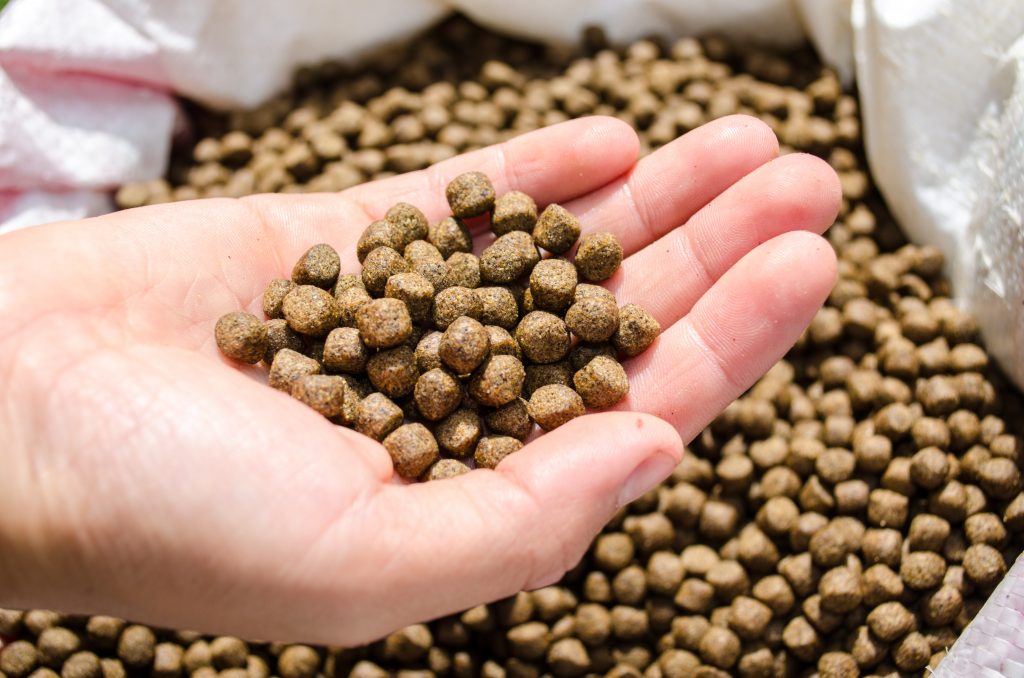
The aquaculture industry has become one of the fastest-growing sectors in global agriculture. As the demand for seafood continues to rise, fish farms, shrimp farms, and other aquaculture operations are expanding rapidly across the world. This growth has created a corresponding increase in demand for high-quality aquatic feed, making feed manufacturing one of the most important supporting industries in modern aquaculture.
Traditionally, many feed mills relied heavily on manual labor and semi-automatic production systems. While these methods were sufficient for small-scale operations, they often struggled to meet the quality, efficiency, and consistency requirements of today’s competitive aquaculture market. As a result, more feed manufacturers are investing in automated production technologies to improve productivity and reduce operational costs.
However, automation requires significant capital investment. Many entrepreneurs and feed producers wonder whether building an automated aqua feed plant is truly worth the expense. The answer depends on various factors, including production scale, market demand, labor costs, quality requirements, and long-term business objectives.
In most cases, automated aquatic feed production offers substantial advantages that outweigh the initial investment costs. Modern automation technologies can improve efficiency, increase product consistency, reduce waste, enhance quality control, and generate significant long-term financial benefits. Understanding these advantages can help investors make informed decisions when planning a new aqua feed plant or upgrading an existing facility.
The growing demand for aquatic feed is one of the primary reasons automation has become increasingly attractive. Global aquaculture production has expanded steadily over the past several decades, driven by population growth, rising incomes, urbanization, and changing dietary preferences. Fish and seafood are widely recognized as healthy protein sources rich in omega-3 fatty acids, vitamins, and minerals.
As aquaculture production increases, feed manufacturers face greater pressure to produce larger volumes of feed while maintaining strict quality standards. Manual production methods often struggle to keep pace with market growth. Automated systems allow feed producers to increase capacity efficiently without compromising product consistency.
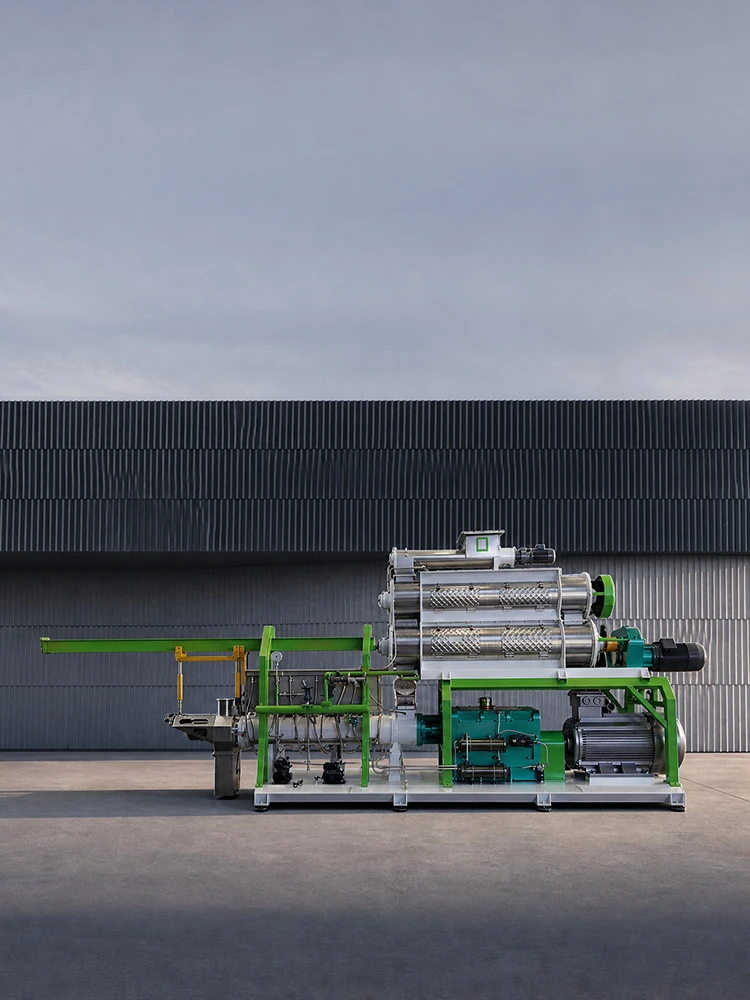
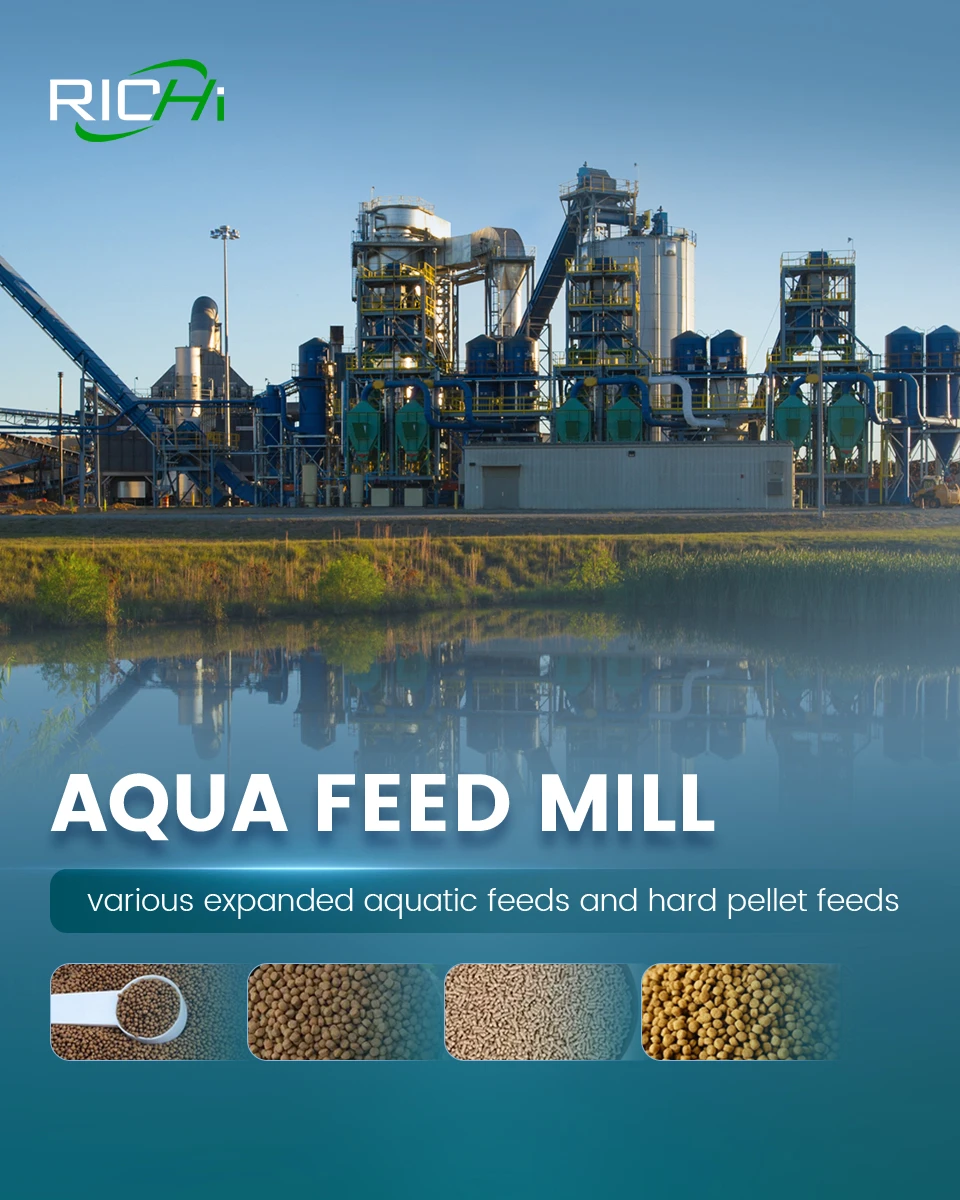
An automated aqua feed plant is designed to integrate multiple production processes into a coordinated system. Raw material handling, grinding, batching, mixing, conditioning, extrusion or pelleting, drying, cooling, coating, packaging, and quality monitoring can all be controlled through centralized automation systems. This integration reduces human error and improves overall production efficiency.
One of the most significant advantages of automation is improved product consistency. Feed quality directly influences fish growth rates, feed conversion ratios, survival rates, and farm profitability. Even small variations in nutrient composition or pellet quality can affect production performance.
In manually operated facilities, inconsistencies often arise due to operator errors, inaccurate weighing, uneven mixing, or improper processing conditions. Automated systems minimize these risks by precisely controlling production parameters. Ingredient proportions, mixing times, conditioning temperatures, moisture levels, and extrusion settings can all be monitored and adjusted automatically.
Consistent product quality strengthens customer confidence and helps manufacturers establish strong brand reputations. Fish farmers are more likely to remain loyal to suppliers that consistently deliver reliable feed performance. Therefore, quality consistency often translates directly into increased sales and long-term business growth.
Another important benefit of automation is improved production efficiency. Traditional feed mills frequently experience bottlenecks caused by manual material handling, operator delays, and inefficient process coordination. Automated systems streamline workflow by ensuring that each stage of production operates in harmony with the others.
For example, automated batching systems can accurately measure and transfer ingredients according to formulation requirements. Automated conveyors transport materials between processing stages without requiring manual intervention. Sensors continuously monitor equipment performance and adjust operating conditions as needed.
These improvements reduce downtime, increase throughput, and maximize equipment utilization. As a result, an automated aqua feed plant can often produce significantly more feed than a comparable manually operated facility using the same floor space.
https://richipelletizer.com/aqua-feed-plant
Labor savings represent another major advantage. Labor costs continue to rise in many regions, creating financial challenges for feed manufacturers. Automated production systems reduce dependence on manual labor by replacing repetitive tasks with machinery and computerized controls.
In traditional feed mills, workers may be required to weigh ingredients, transfer materials, operate equipment, monitor processes, and package finished products. Automation significantly reduces these requirements, allowing companies to operate with smaller workforces.
(Learn more about efficient fish feed pellet making machine)
This does not necessarily mean eliminating jobs altogether. Instead, automation often shifts labor requirements toward more skilled positions involving equipment maintenance, process management, quality assurance, and technical supervision. These roles typically generate greater value and contribute to improved operational performance.
Reducing labor dependence also helps manufacturers address workforce shortages. In some regions, finding and retaining qualified workers has become increasingly difficult. Automated systems provide a practical solution by reducing reliance on large labor forces.
Accurate ingredient dosing is another critical advantage of automation. Feed formulations are carefully designed to provide specific nutrient levels for different aquatic species and growth stages. Even minor deviations from formulation specifications can affect feed performance and profitability.
Automated weighing and batching systems ensure that ingredients are measured with exceptional precision. Computer-controlled systems follow predefined formulations and minimize the risk of human error. This accuracy improves product consistency while reducing ingredient waste.
Since protein ingredients such as fish meal and soybean meal represent a substantial portion of feed production costs, accurate dosing can generate significant financial savings over time. Small reductions in ingredient waste can result in considerable cost reductions when applied across thousands of tons of annual production.
Quality control becomes much more effective in an automated aqua feed plant. Modern automation systems incorporate sensors and monitoring devices that continuously track critical production parameters.
Temperature, pressure, moisture content, throughput rates, energy consumption, and equipment performance can all be monitored in real time. Operators receive immediate alerts if any parameter deviates from predefined specifications.
This level of visibility enables manufacturers to identify potential problems before they affect product quality. Rapid corrective actions reduce waste, minimize downtime, and improve overall production reliability.
Traceability is another important quality-related benefit. Automated systems can record detailed production data for every batch of feed produced. This information includes ingredient sources, processing conditions, production dates, equipment settings, and quality control results.
Such traceability is increasingly important for regulatory compliance, food safety requirements, and customer confidence. In the event of a quality issue, manufacturers can quickly identify affected batches and implement corrective measures.
Energy efficiency is another area where automation can provide substantial benefits. Energy costs represent a significant portion of feed manufacturing expenses, particularly in large-scale operations. Grinding, mixing, extrusion, drying, cooling, and packaging all require substantial energy inputs.
Automated systems optimize equipment operation to reduce unnecessary energy consumption. Motors can be controlled according to actual production demands, while process parameters can be adjusted to maximize efficiency.
For example, automated drying systems continuously monitor moisture levels and adjust drying conditions accordingly. This prevents over-drying, reduces energy waste, and preserves feed quality. Similar optimization opportunities exist throughout the production process.
The ability to scale production efficiently is another compelling reason to invest in automation. As market demand grows, feed manufacturers often need to increase production capacity. Expanding a manually operated facility can be difficult due to labor limitations and process inefficiencies.
An automated aqua feed plant is generally better equipped to accommodate future growth. Additional production lines, storage systems, and processing equipment can often be integrated into existing automation infrastructure. This scalability allows manufacturers to respond more effectively to changing market conditions.
Automation also contributes to improved workplace safety. Feed manufacturing environments contain numerous potential hazards, including moving machinery, dust, high temperatures, and heavy materials. Manual handling increases the risk of workplace injuries and accidents.
Automated material handling systems reduce direct employee exposure to these hazards. Conveyors, robotic packaging systems, and automated storage solutions perform tasks that would otherwise require significant manual labor. Improved safety not only protects employees but also reduces insurance costs and operational disruptions.
Inventory management is another area where automation delivers value. Raw material inventory represents a major financial investment for feed manufacturers. Inefficient inventory management can result in stock shortages, excess inventory, spoilage, and cash flow challenges.
Automated inventory systems provide real-time visibility into stock levels and material usage. Managers can make more informed purchasing decisions and optimize inventory turnover. This improves operational efficiency while reducing carrying costs.
Data collection and analysis capabilities are among the most transformative aspects of automation. Modern feed manufacturing systems generate large amounts of operational data that can be used to improve performance.
Production managers can analyze trends related to throughput, equipment utilization, energy consumption, maintenance requirements, and product quality. These insights support continuous improvement initiatives and help identify opportunities for cost reduction.
Predictive maintenance is one example of how data-driven automation creates value. Sensors monitor equipment condition and detect early signs of wear or malfunction. Maintenance can then be scheduled proactively before major failures occur.
This approach reduces unplanned downtime, extends equipment lifespan, and lowers maintenance expenses. For large-scale feed manufacturers, even small improvements in equipment reliability can produce substantial financial benefits.
Environmental sustainability is becoming increasingly important throughout the aquaculture industry. Customers, regulators, and investors are placing greater emphasis on environmentally responsible production practices.
Automation can help manufacturers reduce their environmental footprint in several ways. Improved ingredient utilization reduces waste generation. Enhanced energy efficiency lowers greenhouse gas emissions. Precise process control minimizes product losses and resource consumption.
Many modern aqua feed plant designs incorporate sustainability features such as dust collection systems, wastewater treatment equipment, energy recovery technologies, and environmentally friendly material handling systems. Automation helps optimize the performance of these systems and supports compliance with environmental regulations.
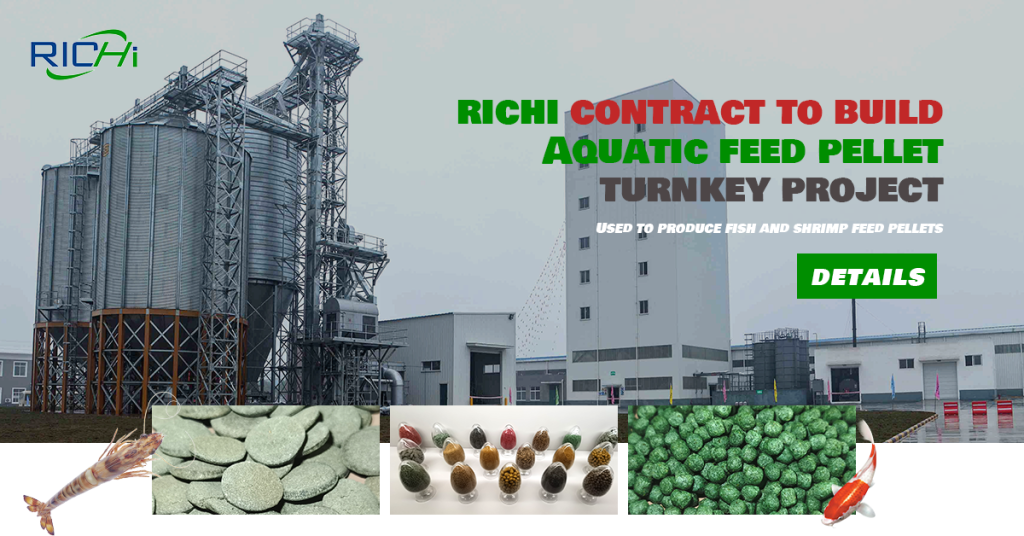
Despite its many advantages, automation is not without challenges. The most obvious obstacle is the initial investment cost. Building a fully automated aqua feed plant requires substantial capital expenditures for equipment, software, infrastructure, installation, and training.
Small businesses may find these costs difficult to justify, particularly in markets with limited production volumes. However, it is important to evaluate automation from a long-term perspective. While initial costs may be high, operational savings often generate attractive returns on investment over time.
The payback period depends on factors such as production volume, labor costs, energy prices, market conditions, and operational efficiency. In many cases, automated systems recover their costs within several years through reduced labor expenses, improved productivity, and lower waste levels.
Another challenge involves technical complexity. Automated systems require specialized knowledge for operation, maintenance, and troubleshooting. Companies must invest in employee training and may need access to technical support from equipment suppliers.(why not look here)
However, modern automation systems are becoming increasingly user-friendly. Many feature intuitive interfaces, remote monitoring capabilities, and automated diagnostics that simplify operation and maintenance.
Choosing the right equipment supplier is critical to maximizing the benefits of automation. Experienced suppliers can provide customized solutions tailored to specific production requirements. They can also offer installation support, training services, maintenance programs, and long-term technical assistance.
When evaluating automation investments, manufacturers should consider both current needs and future growth plans. A well-designed aqua feed plant should provide flexibility to accommodate changing market demands, new product types, and evolving production technologies.
Ultimately, the value of automation extends beyond simple cost reduction. Automated systems help manufacturers improve quality, increase consistency, enhance customer satisfaction, strengthen competitiveness, and support sustainable growth. These strategic advantages often become even more important than direct financial savings.
As the aquaculture industry continues to expand, competition among feed manufacturers is expected to intensify. Customers will increasingly demand higher-quality products, greater consistency, improved traceability, and reliable supply. Automated production systems provide the capabilities necessary to meet these expectations.
In conclusion, automated aquatic feed production is often a worthwhile investment for businesses seeking long-term growth and competitiveness. Although the initial capital requirements can be substantial, the benefits of automation—including improved efficiency, enhanced product quality, reduced labor dependence, better quality control, increased scalability, improved sustainability, and stronger profitability—frequently outweigh the costs.
For manufacturers planning to build a new aqua feed pellet plant or modernize an existing facility, automation offers a pathway toward greater operational excellence and market success. As technology continues to advance and aquaculture demand continues to rise, automated feed production is likely to become the industry standard rather than the exception. Companies that invest strategically in automation today will be better positioned to capitalize on future opportunities and maintain leadership in the evolving aquaculture feed market.