




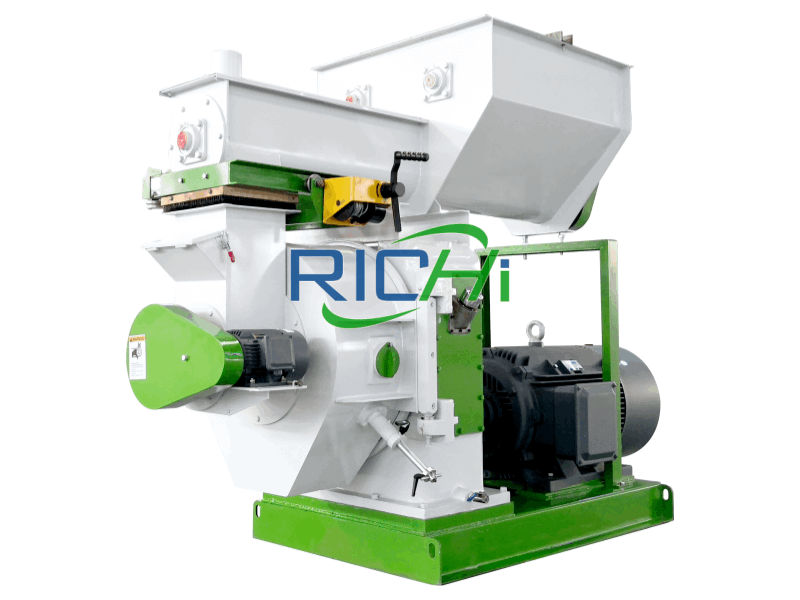
The global demand for renewable energy is encouraging industries to explore more sustainable fuel alternatives. Agricultural residues such as rice husks, peanut shells, coffee husks, and sunflower husks are now widely recognized as valuable biomass resources. Instead of treating these materials as waste, manufacturers are converting them into dense fuel pellets for industrial and commercial energy applications. In this growing market, the husk pellet mill has become an essential piece of equipment for biomass fuel production.
Biomass pellets offer several advantages compared with traditional loose agricultural waste. They are easier to transport, require less storage space, and provide more stable combustion performance. As energy costs continue to rise worldwide, more farms, processing companies, and biomass fuel suppliers are investing in pellet production technology.
Why Husk Biomass Pellets Are Increasingly Popular
Many agricultural countries produce enormous quantities of husk waste every year. In rice-producing regions especially, rice husks accumulate rapidly after grain processing. Without proper recycling systems, these residues often create environmental challenges.
Pelletizing provides an effective solution by converting agricultural waste into valuable fuel products. Husk pellets can be used in industrial boilers, biomass heating systems, power generation plants, and even commercial heating applications.
Compared with raw biomass, pellets have a higher energy density and lower moisture content, which improves combustion efficiency. In addition, pellet fuel generates less dust and is easier to handle during transportation and storage.
Because rice husks contain abrasive silica materials, choosing the right pellet equipment is extremely important. A high-quality husk pellet mill is specifically designed to handle difficult raw materials while maintaining stable pellet quality and long-term operational reliability.
Main Equipment Used in Husk Pellet Production
A complete biomass pellet production line typically includes raw material handling systems, crushers, dryers, pellet mills, cooling systems, screening equipment, and packaging units.
The production process begins with cleaning and moisture adjustment. Proper moisture levels are critical for efficient pellet formation. If raw materials contain excessive water, drying systems help improve pelletizing performance and final pellet quality.
After pretreatment, the husk material enters the pellet mill where rollers and ring dies compress the biomass under high pressure to produce dense fuel pellets. Cooling systems then reduce pellet temperature before screening and packaging.
For medium and large-scale projects, many investors pay close attention to the 5-6 T/H rice husk pellet machine price because this production capacity is highly suitable for commercial biomass fuel operations that require stable output and efficient operating performance.
Advantages of Modern Husk Pellet Technology
Advanced pellet production equipment focuses on automation, durability, and energy efficiency. Intelligent control systems allow operators to monitor feeding rates, pellet temperature, and equipment performance in real time. This helps reduce labor costs while improving production consistency.
Durability is especially important when processing abrasive biomass materials such as rice husks. Modern pellet machines use reinforced rollers, wear-resistant ring dies, and optimized transmission systems to extend machine lifespan and reduce maintenance frequency.
Professional manufacturers such as Richi Pelletizer provide customized biomass pellet production solutions for different raw materials and factory capacities. Customized engineering support can help businesses improve plant efficiency according to local production conditions and fuel market requirements.
Selecting the Right Pellet Production Solution
Before purchasing biomass pellet equipment, investors should evaluate several key factors, including raw material characteristics, moisture content, target production capacity, automation level, and future expansion plans.
Efficient plant layout design is also critical for maximizing productivity and minimizing energy consumption. A properly configured production line can significantly improve pellet quality and reduce long-term operating costs.
If you want to learn more about biomass pellet technology and project planning, you can click reference for additional information about pellet production systems and equipment selection.
Future Opportunities in Biomass Fuel Production
As renewable energy industries continue expanding, biomass pellets are expected to play an increasingly important role in global energy markets. Agricultural waste recycling not only helps reduce environmental pollution but also creates new revenue opportunities for agricultural and industrial businesses.
With advanced pelletizing technology and professional production planning, husk pellet manufacturing offers strong long-term potential for biomass fuel suppliers, renewable energy investors, and agricultural processing companies worldwide.
(Related Post: https://biomasspelletizer.com/husk-pellet-machine/)