


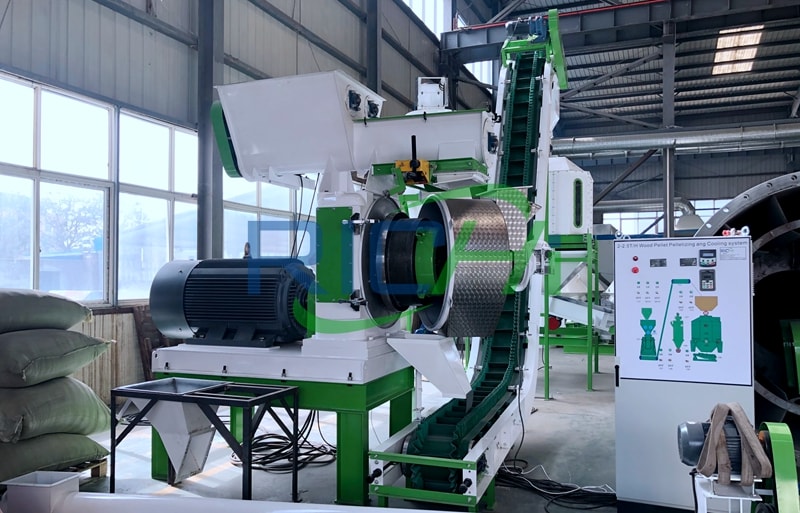
The intersection of bamboo biomass and pellet fuel technology represents one of the most promising frontiers in renewable energy manufacturing. A properly configured wood pellet maker can produce high-quality bamboo wood pellets that meet international fuel standards — but success depends heavily on process design, equipment specification, and feedstock management.
The Growing Appeal of Bamboo Wood Pellets
Bamboo is one of the fastest-growing plants on earth, with some species gaining over a meter in height per day under optimal conditions. This extraordinary growth rate makes bamboo one of the most productive biomass sources per hectare available, often yielding 10–20 tonnes of dry matter per hectare annually — significantly more than most commercial timber species.
Bamboo wood pellets produced from this material offer several advantages:
- High calorific value: Typically 17–18 MJ/kg, comparable to hardwood pellets
- Low ash content: Well-processed bamboo pellets produce 1–2% ash, within ENplus A1 limits
- Carbon neutrality: Rapidly regenerating bamboo captures carbon at rates that offset combustion emissions
- No replanting required: Unlike trees, bamboo regenerates from its root system after harvest
These properties are driving growing interest in bamboo pellets among European industrial boiler operators and Asian district heating networks.
Configuring a Wood Pellet Maker for Bamboo Feedstock
A standard wood pellet maker requires specific configuration adjustments to process bamboo effectively. The key parameters to modify include:
Die Compression Ratio
Bamboo’s lower lignin content requires higher compression to achieve adequate pellet density and durability. Compression ratios of 1:8 to 1:10 are typical, compared to 1:6 to 1:7 for softwood. Using the wrong ratio produces soft, friable pellets that crumble during transport and handling.
Roller Pressure and Gap Setting
Bamboo fiber requires tighter roller-to-die gap settings. Insufficient roller pressure results in incomplete compression and high percentage of fines in the output stream. Most manufacturers recommend starting at minimum gap and adjusting outward until throughput stabilizes.
Moisture Conditioning
Bamboo entering the pellet maker should carry 12–14% moisture. Too dry (below 10%) produces excessive die friction and rapid die wear. Too wet (above 16%) results in steam formation inside the die that weakens pellet structure. If you go to my blog posts covering biomass conditioning technology, detailed moisture management protocols are available for multiple feedstock types.
Full Production Line for Bamboo Wood Pellets
Building a complete bamboo pellet line involves these stages:
1. Harvesting and Transport Mature bamboo (3–5 years old) is harvested and transported to the processing facility. Younger bamboo has insufficient fiber density; older culms become too woody and difficult to process efficiently.
2. Crushing and Chipping Bamboo culms are crushed to split node sections, then chipped to 15–25 mm pieces. Crushing before chipping significantly improves chip uniformity and downstream grinding efficiency.
3. Drying Green bamboo carries 40–55% moisture. Rotary drum dryers reduce this to target levels. Bamboo dries more quickly than dense hardwoods due to its hollow culm structure, which can reduce drying energy costs.
4. Fine Grinding A hammer mill reduces dried chips to 2–3 mm particles — finer than typical wood pellet feedstock to compensate for bamboo’s fiber structure.
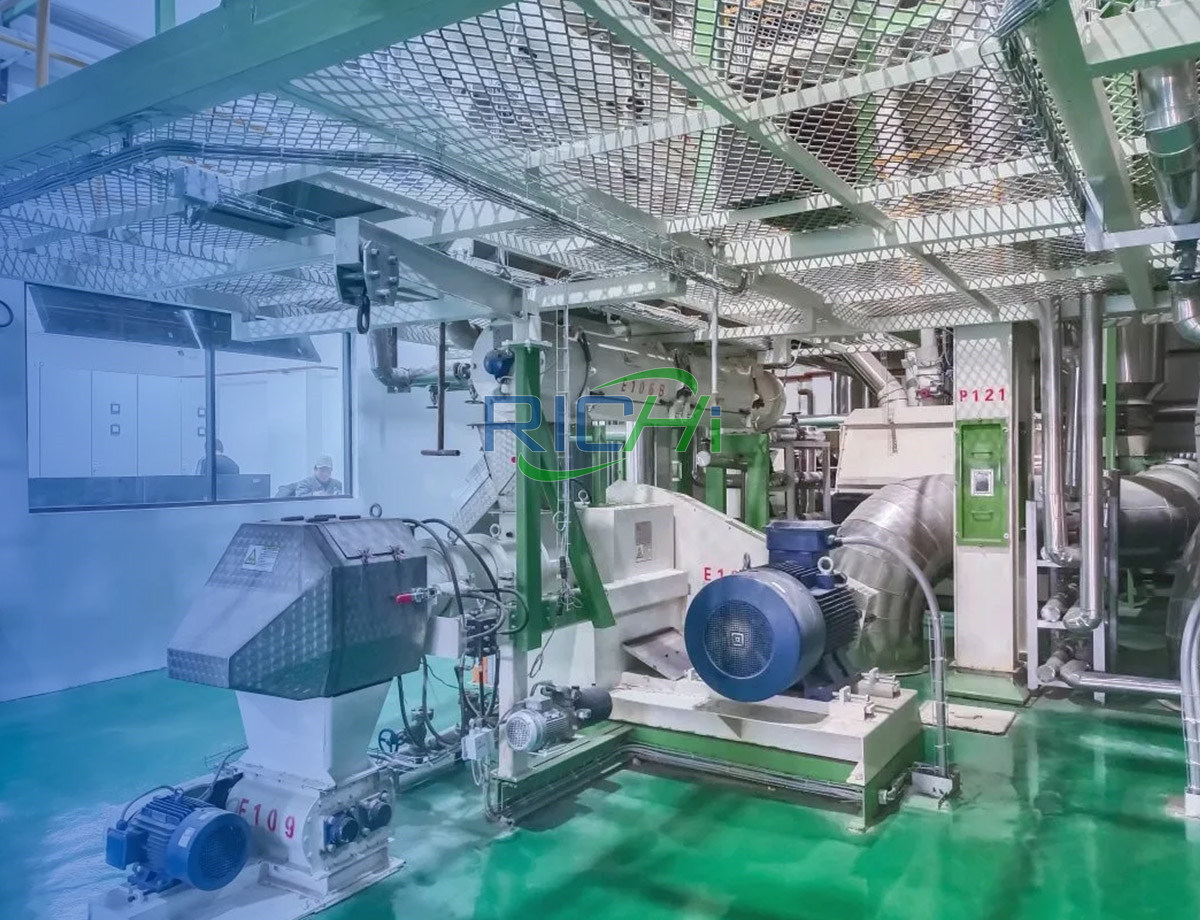
5. Pelletizing The configured wood pellet maker compresses the prepared bamboo powder into 6 mm or 8 mm pellets. Ring die pellet mills are strongly preferred for production volumes above 500 kg/h.
6. Cooling and Quality Control Counter-flow coolers bring pellets to ambient temperature. Final quality checks measure moisture, bulk density, durability index, and ash content against target specifications.
Quality Standards for Bamboo Pellets
International pellet quality standards — including ENplus, ISO 17225, and Pellet Fuels Institute (PFI) standards — can all be met with properly processed bamboo. Key targets:
- Moisture content: ≤10%
- Bulk density: ≥600 kg/m³
- Durability: ≥97.5%
- Ash content: ≤2%
- Calorific value: ≥16.5 MJ/kg
Meeting these targets consistently requires stable feedstock quality, precisely controlled drying, and a well-maintained pellet maker.
Finding the Right Equipment Partner
Bamboo pellet production requires genuine expertise in feedstock-specific machine configuration. Richi machinery manufacture provides bamboo-optimized pellet production lines with engineering consultation on die selection, conditioning system design, and quality control protocols — ensuring producers achieve certification-grade output from initial commissioning.
Conclusion
A well-configured wood pellet maker is fully capable of producing premium-grade bamboo wood pellets when the surrounding process is properly designed. Bamboo offers compelling economics and sustainability credentials — but realizing those benefits requires getting the details right, from feedstock preparation through final quality control.