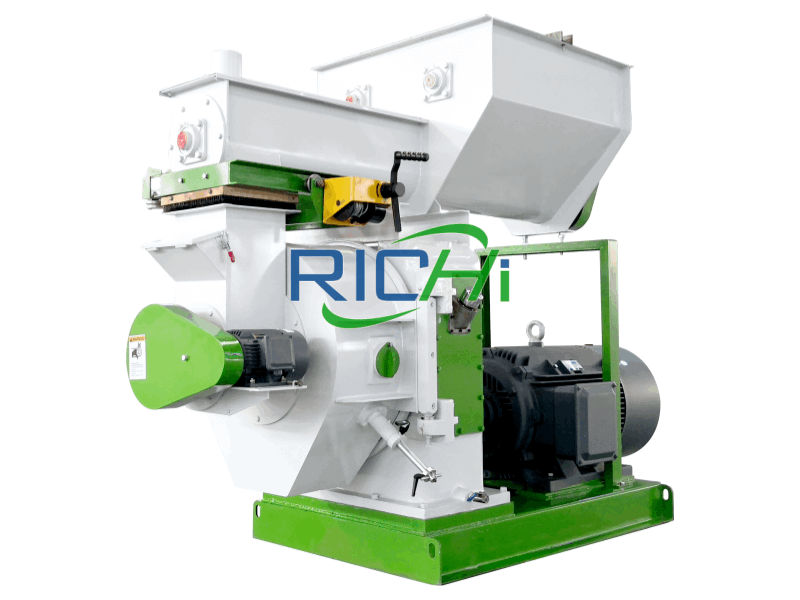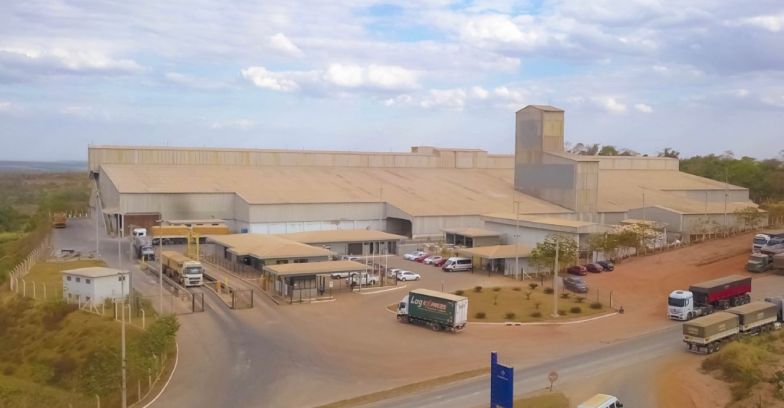
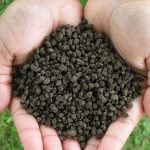
The agricultural and renewable energy industries continue to embrace efficient processing solutions, and grass pellet production equipment has become essential for converting forage crops and agricultural residues into valuable pellets. Modern production facilities rely on these systems to process materials like alfalfa, hay, straw, and Napier grass into high-density pellets for livestock feed and biomass fuel . The biomass straw pellet mill stands at the heart of this process, transforming bulky, low-density materials into uniform, transportable commodities.
Understanding Grass Pellet Production Equipment Technology
Grass pellet production equipment encompasses a complete system designed to process various grass materials into pellets for ruminant animal feed, organic fertilizer, fuel pellets, and animal bedding . The production line typically includes grass cutting and crushing equipment, drying systems, pelletizing equipment, cooling equipment, and packaging machinery .
The process begins with size reduction of the grass material, followed by drying to achieve appropriate moisture content. The biomass straw pellet mill then compresses the prepared material through a die under high pressure. During this process, natural lignin in the biomass acts as a binder without chemical additives .
For materials like alfalfa and grass that have been dried in processing plants, the bulky chopped forage can be processed immediately into pellets or grass cobs using specialized flat die pellet mills . A notable example is the 5 tons per hour Napier grass pellet plant in central Thailand, where elephant grass is cultivated as an energy crop. The project includes a grass chopper, multi-stage dryer, hammer mill, ring die grass pellet machine, and cooler, producing 8mm pellets for a regional biomass power generation facility .
Biomass Straw Pellet Mill Models and Specifications
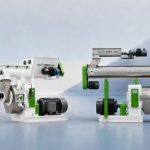
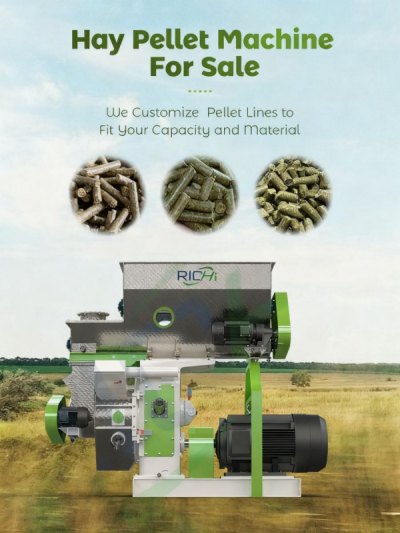
When selecting a biomass straw pellet mill, capacity and configuration are key considerations. RICHI Machinery offers the MZLH series ring die pellet mills specifically designed for grass and straw processing, with capacities from 0.5 to 40 tons per hour . The pellet press features a larger ring die and pelletizing chamber to ensure high-efficiency production, with a forced feeder added to handle lighter materials .
For agricultural residues like straw, a reinforced gearbox is essential. The Tiantai straw pellet mill features a parallel shaft three-stage reducer with hard-tooth surface gears, providing 3-5 times the transmission strength of conventional reducers. Models produce 1.5-2.5 tons per hour with 110-132 kW motor power . The main drive system utilizes gear transmission for high efficiency, with output 15% higher than belt-driven models .
For more detailed information on grass pellet production equipment options, you can go to website for comprehensive resources.
Complete Production Line Integration
A comprehensive grass pellet production solution integrates multiple stages beyond the pellet mill . The complete production line includes:
Crushing Equipment: Specialized grass choppers and hammer mills reduce material to proper particle size. The rotor uses a special design with two different hammer screen spaces to accommodate different granularity requirements .
Drying Equipment: For fresh grass with 75-80% moisture at harvest, drying is critical. Rotary drum dryers reduce moisture from 50% to 15% . Field curing can reduce moisture to 50-55% before processing .
Pelletizing Equipment: The MZLH series grass pellet mill features a forced feeder to handle light materials and produces 0.5-10 tons per hour with 30-300 kW motor power. Pellet diameters range from 6 to 12mm .
Cooling and Packaging: Counter-flow coolers gradually reduce pellet temperature, while automatic packing systems handle final product storage and distribution .
Quality Considerations and Best Practices
Achieving consistent pellet quality requires careful attention to several parameters. Raw material moisture content must be controlled for optimal pellet formation. For straw processing, moisture should be maintained at 12-15% . Particle size must be reduced appropriately before pelletizing. Freshly formed pellets require cooling to ambient temperature to harden and strengthen them prior to bagging.
For more detailed information on biomass straw pellet mill options, you can go to website for comprehensive manufacturing solutions.
View details: https://www.richimanufacture.com/hay-pellet-machine-for-sale/
Summary
Investing in grass pellet production equipment with biomass straw pellet mill technology offers a strategic opportunity to convert forage crops and agricultural residues into valuable feed or fuel pellets. The combination of advanced pellet press technology with integrated processing systems delivers consistent quality and operational efficiency. For detailed specifications and equipment options, you can go to website for comprehensive manufacturing solutions from Richi manufacture tailored to your specific capacity requirements and raw material sources.