


For decades, many livestock farms relied on loose feed, chopped forage, and manually mixed ingredients. While these traditional methods worked, they often resulted in uneven nutrition, higher storage costs, feed losses, and lower efficiency.
Today, increasing feed prices and growing demand for premium livestock products are encouraging farmers to rethink how feed should be processed. Pellet technology has become an important solution because it allows producers to transform common raw materials into valuable, easy-to-store, and highly digestible feed products.
Modern pellet processing is no longer limited to large commercial mills. Small farms, cooperatives, and independent feed manufacturers are adopting pellet systems to improve productivity and create additional revenue streams.
Why Feed Processing Is Becoming More Important
Feed accounts for the largest portion of livestock production costs. Even small improvements in feed conversion efficiency can bring significant financial benefits.
Pelletized feed offers several advantages:
- Better nutritional consistency
- Lower dust and material losses
- Easier transportation and storage
- Improved palatability
- Reduced ingredient separation
- Higher digestibility
These advantages explain why more farms are investing in modern equipment instead of relying solely on traditional feeding practices.
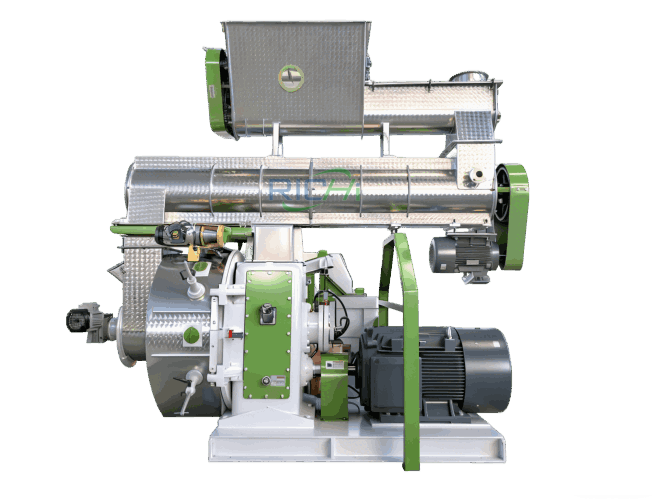
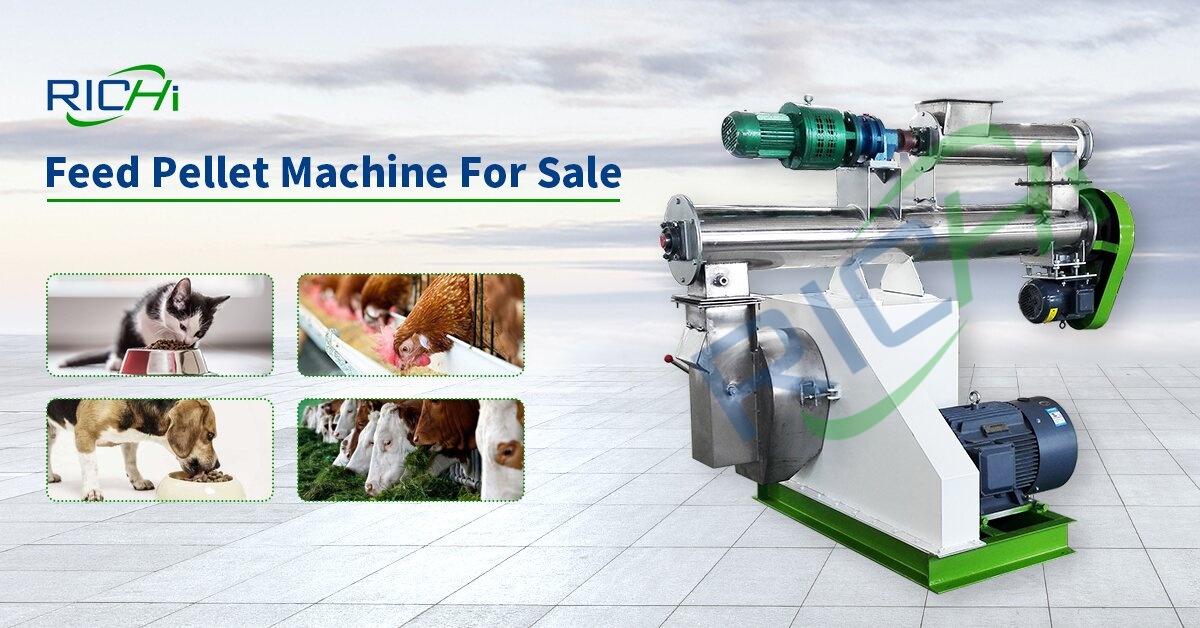
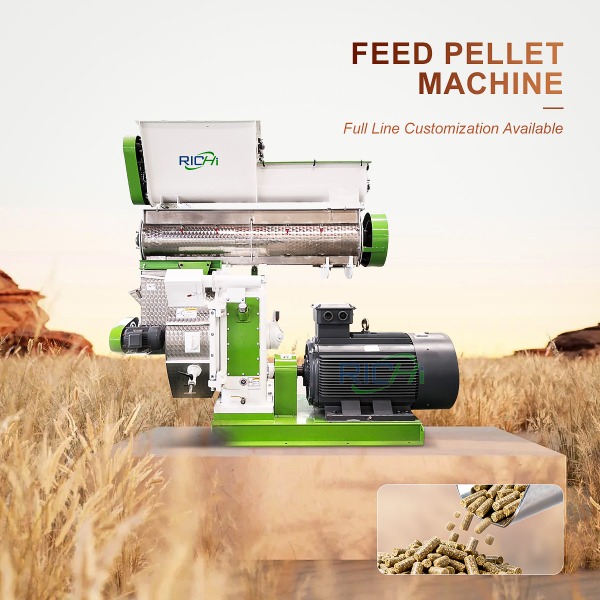
One of the most popular solutions today is the horse feed pellet machine, which helps producers convert grains, alfalfa, hay, soybean meal, vitamins, and other ingredients into uniform pellets suitable for horses of different ages.
Understanding the Shift Toward Precision Feeding
Animals require balanced nutrition rather than random mixtures of ingredients. Precision feeding focuses on providing the correct combination of energy, protein, fiber, minerals, and vitamins.
Pellet processing helps achieve this goal by ensuring every pellet contains the same formulation.
This is particularly important for:
- Young horses
- Breeding mares
- Racing horses
- Working horses
- Senior horses
Stable nutrition contributes to better growth, stronger immunity, and improved performance.
Modern feed mills can produce pellets in various diameters and densities according to different feeding requirements.
Turning Agricultural Materials Into Valuable Products
Many agricultural materials contain significant nutritional value but are difficult to store or transport in their original form.
Examples include:
- Alfalfa
- Oat hay
- Corn
- Wheat bran
- Soybean meal
- Rice bran
- Molasses
- Grass powder
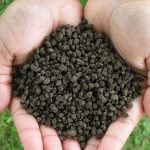
Pelletization transforms these loose materials into dense products that occupy less space and have longer shelf life.
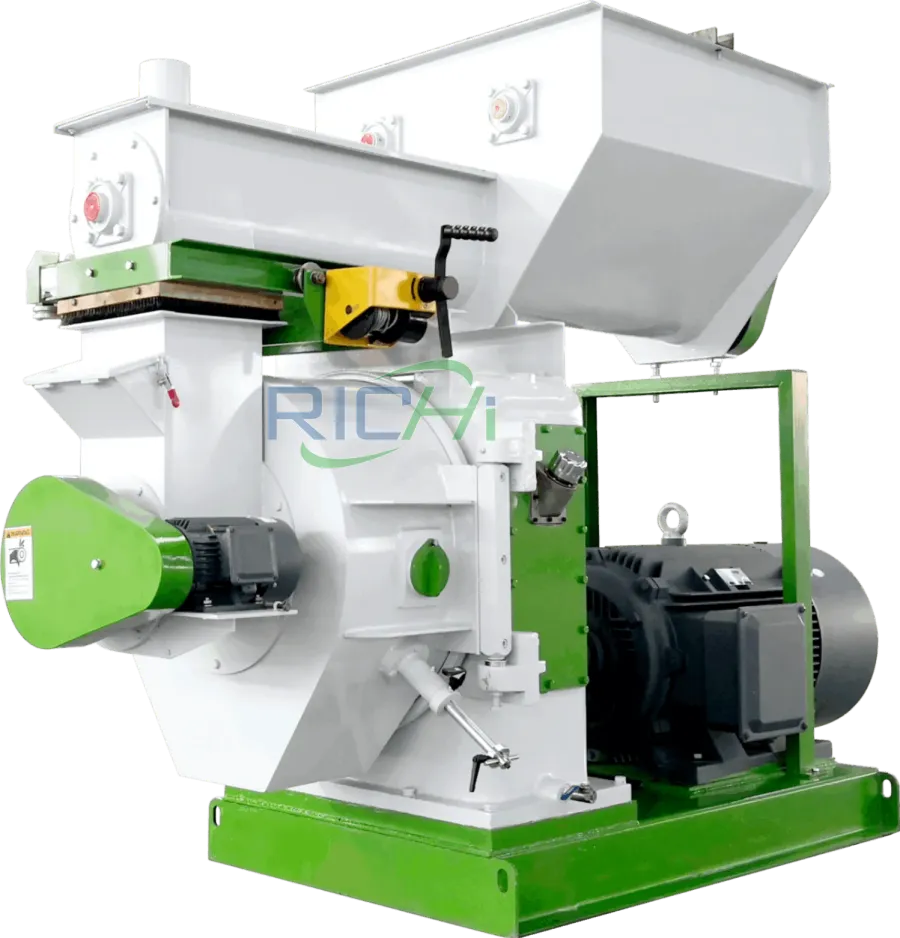
In regions where cassava is abundant, farmers are increasingly investing in ring die cassava pellet machine
solutions to convert cassava chips, cassava meal, and residues into commercial pellets.
These pellets can be used for livestock feeding or exported to industrial markets.
Why Pellet Feed Creates Better Economic Value
Raw materials often have low market prices because they are bulky and difficult to handle.
Pellet processing adds value through:
Higher Bulk Density
Pellets occupy less storage space and lower transportation costs.
Reduced Waste
Less dust means more feed is actually consumed by animals.
Longer Shelf Life
Proper cooling and packaging help maintain feed quality.
Improved Marketability
Uniform pellets look professional and appeal to buyers.
Flexible Production
Manufacturers can produce different formulas based on market demand.
Because of these benefits, many investors are choosing a complete pellet plant rather than selling raw agricultural products.
Key Equipment Used in Feed Production
A complete production line usually includes:
Grinding System
Raw materials are crushed into fine particles for uniform mixing.
Mixing System
Different ingredients are blended to achieve balanced nutrition.
Conditioning System
Steam and moisture improve pellet quality.
Pelletizing System
The ring die compresses materials into cylindrical pellets.
Cooling System
Hot pellets are cooled to increase stability.
Screening System
Fine particles are removed and recycled.
Packaging System
Finished products are packed for transportation and sale.
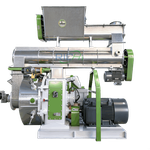
The central equipment in the system is often a high-performance horse feed machine, capable of producing pellets with excellent durability and consistency.
How Feed Pellets Improve Horse Health
Horses are sensitive animals with unique digestive systems.
Pellet feed offers several advantages:
Consistent Nutrition
Every bite contains balanced nutrients.
Less Feed Sorting
Horses cannot selectively eat only certain ingredients.
Lower Dust
Reduced respiratory irritation.
Better Digestibility
Conditioning improves nutrient absorption.
Convenient Feeding
Easy to measure and transport.
These characteristics make pellet feed increasingly popular among breeding farms and equestrian centers.
The Growing Opportunity of Cassava Processing
Cassava cultivation is expanding in many countries including:
- Thailand
- Vietnam
- Nigeria
- Indonesia
- Brazil
- Tanzania
Large quantities of cassava residues and chips are generated every year.
Instead of wasting these resources, producers can use a cassava pellet making machine to create value-added products.
Cassava pellets provide advantages such as:
- Easy storage
- Lower moisture content
- Improved transport efficiency
- Export opportunities
- Additional income for farmers
Demand from feed mills and biomass industries continues to increase.
Choosing the Right Production Capacity
Different users require different capacities.
Small Farms
1-2 T/H
Suitable for family farms and local markets.
Medium Feed Mills
3-10 T/H
Ideal for commercial operations.
Large Industrial Plants
15-40 T/H
Designed for continuous production and export businesses.
Investment decisions should consider:
- Raw material supply
- Local market demand
- Electricity availability
- Labor costs
- Future expansion plans
Professional suppliers can provide customized solutions according to customer requirements.
Automation Is Reshaping Feed Manufacturing
Traditional manual production often causes:
- Inconsistent quality
- Labor shortages
- Material waste
- Lower efficiency
Automation helps solve these problems.
Modern control systems can:
- Monitor temperature
- Adjust steam addition
- Control feeding speed
- Record production data
- Reduce labor requirements
This allows manufacturers to improve efficiency and maintain stable pellet quality.
Many companies searching for reliable equipment often start with a trusted Richi manufacture, which offers customized engineering and turnkey feed plant solutions.
Environmental Benefits of Pellet Technology
Sustainable production is becoming increasingly important.
Pellet processing helps:
Reduce Waste
Agricultural by-products are reused.
Lower Transportation Costs
Higher density means fewer truckloads.
Improve Resource Utilization
Materials once discarded can become valuable products.
Support Circular Agriculture
Crop residues are transformed into feed resources.
This approach creates economic and environmental benefits simultaneously.
Future Trends in Feed Manufacturing
Several trends are shaping the industry:
Smart Factories
Digital monitoring and automatic control.
Customized Nutrition
Special formulas for different animals.
Sustainable Raw Materials
Greater use of agricultural residues.
Premium Feed Products
Higher quality pellets with added nutrients.
Export-Oriented Production
Growing international demand.
Investors who adopt modern pellet technology early are likely to gain competitive advantages.
For additional technical information, readers can check my source to learn more about production processes and equipment selection.
Final Thoughts
Feed processing has evolved from simple grinding and mixing into a sophisticated value-adding industry. Whether producing premium horse feed or utilizing abundant cassava resources, pellet technology provides new opportunities for improving efficiency and profitability.
With proper planning, quality equipment, and suitable formulations, farmers and feed manufacturers can transform ordinary agricultural materials into high-value products that meet the growing demands of modern livestock production.