Modern fish farming has evolved from small-scale, traditional pond culture into a highly industrialized and technology-driven industry. With the rapid increase in global demand for aquatic protein, aquaculture now plays a critical role in ensuring food security. However, as production scales up, efficiency, cost control, and environmental sustainability have become major concerns for fish farmers.
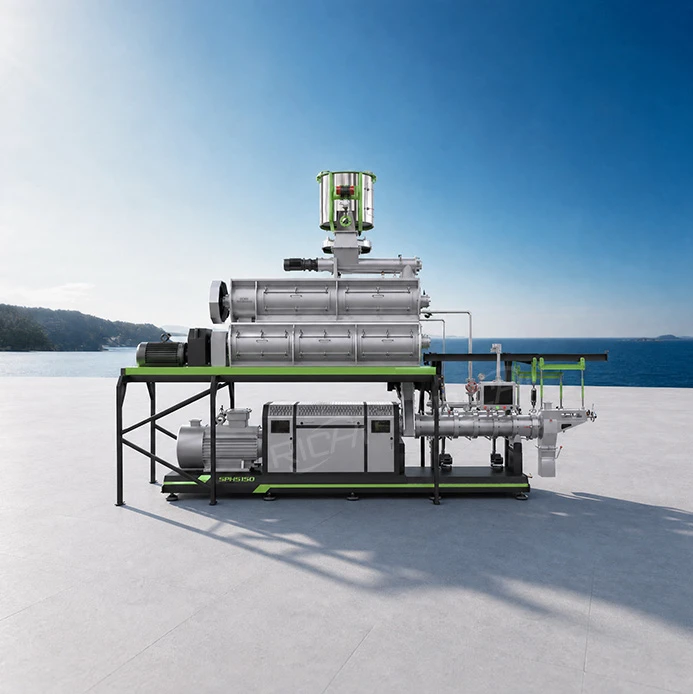
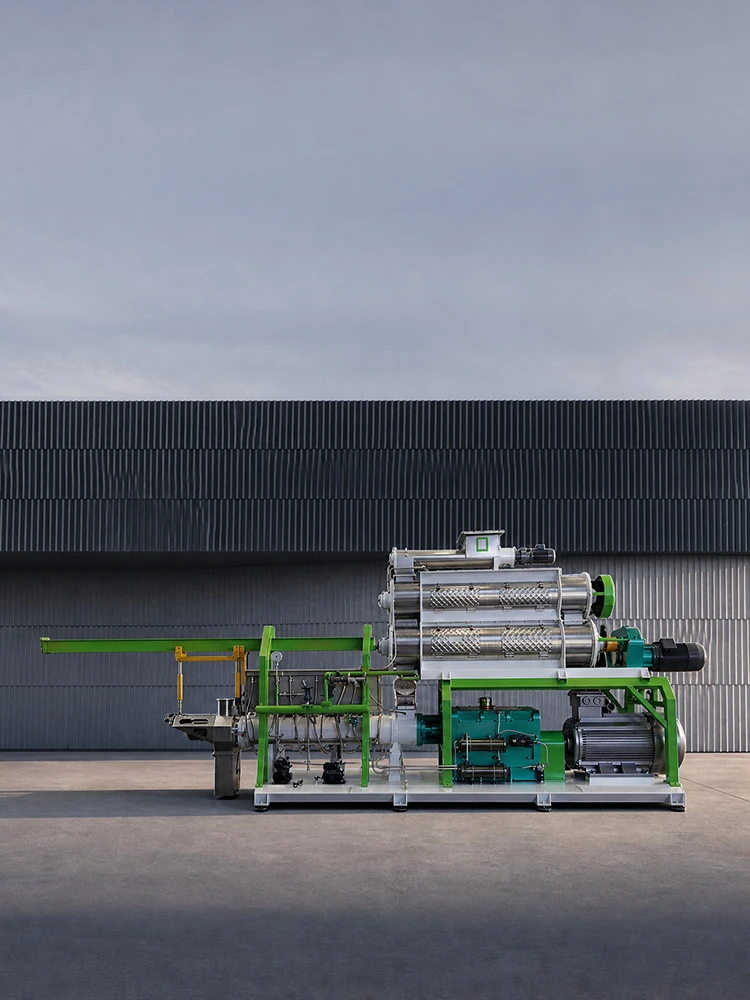
Among all innovations in aquaculture nutrition, floating fish feed has become one of the most essential breakthroughs. It has transformed feeding practices, improved feed utilization efficiency, and significantly enhanced farm management. Today, most commercial aquaculture operations rely on floating feed produced in facilities such as a floating fish pellets factory, using advanced processing equipment like the fish feed extruder machine.
This article explains in detail why floating fish feed is essential for modern fish farming, covering its nutritional advantages, operational efficiency, environmental benefits, production technology, and economic impact.
1. The Evolution of Modern Fish Farming
Fish farming has undergone three major stages of development:
Traditional stage:
- Use of raw feed (rice bran, kitchen waste, fish scraps)
- No control over nutrition
- High waste and low efficiency
Semi-intensive stage:
- Use of simple pellet feed
- Limited control over water quality
- Moderate productivity
Modern industrial stage:
- Use of scientifically formulated floating fish feed
- Automated feeding systems
- High-density aquaculture systems
- Precision nutrition management
Floating fish feed is one of the key technologies that made modern industrial aquaculture possible.
2. What Is Floating Fish Feed?
Floating fish feed is a type of extruded aquafeed designed to remain on the water surface for a period of time before being consumed.
It is produced using high-temperature, high-pressure extrusion technology, which transforms raw ingredients into expanded pellets.
Floating fish feed is commonly used for:
- Tilapia farming
- Catfish farming
- Carp farming
- Trout farming
- Marine aquaculture
Its buoyancy allows farmers to observe feeding behavior in real time.
3. Why Floating Fish Feed Is So Important
Floating fish feed is essential for modern aquaculture because it directly improves:
- Feed efficiency
- Production control
- Fish health
- Water quality
- Farm profitability
Feed typically accounts for 50%–70% of total aquaculture costs, so improvements in feed efficiency have a massive impact on profitability.
4. The Role of Floating Fish Pellets Factory
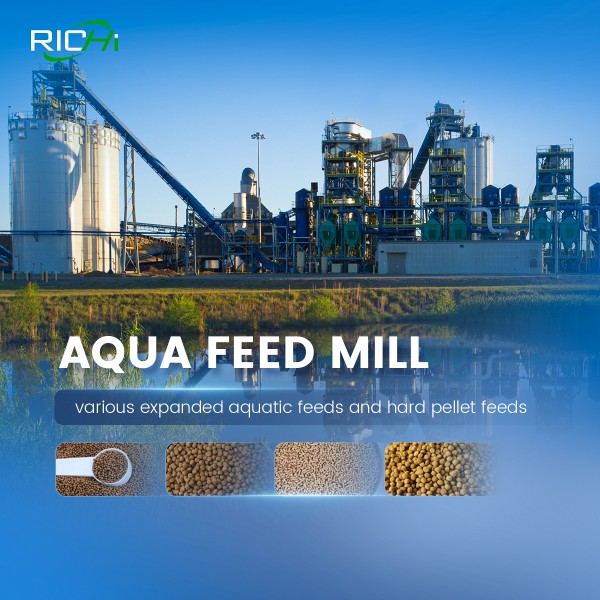
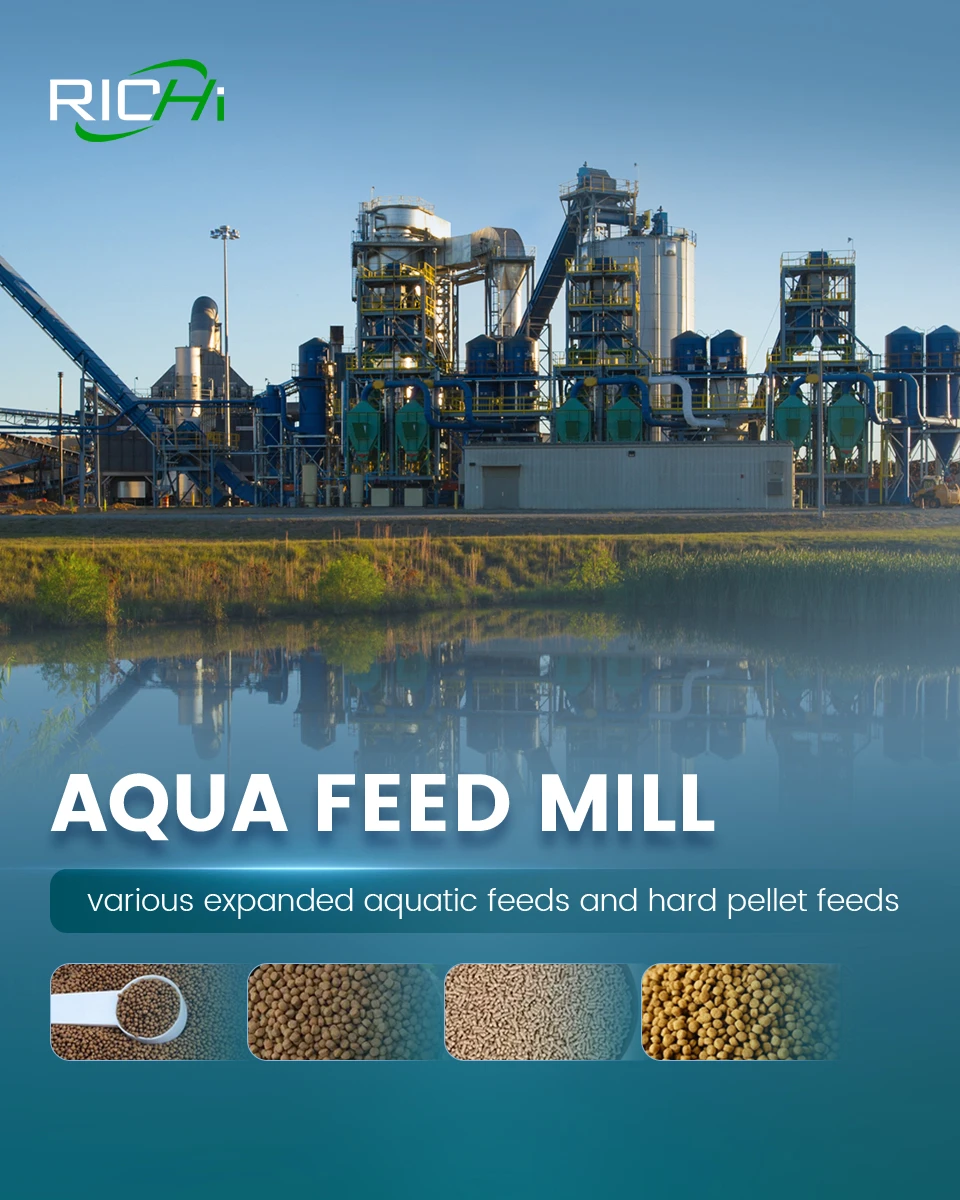
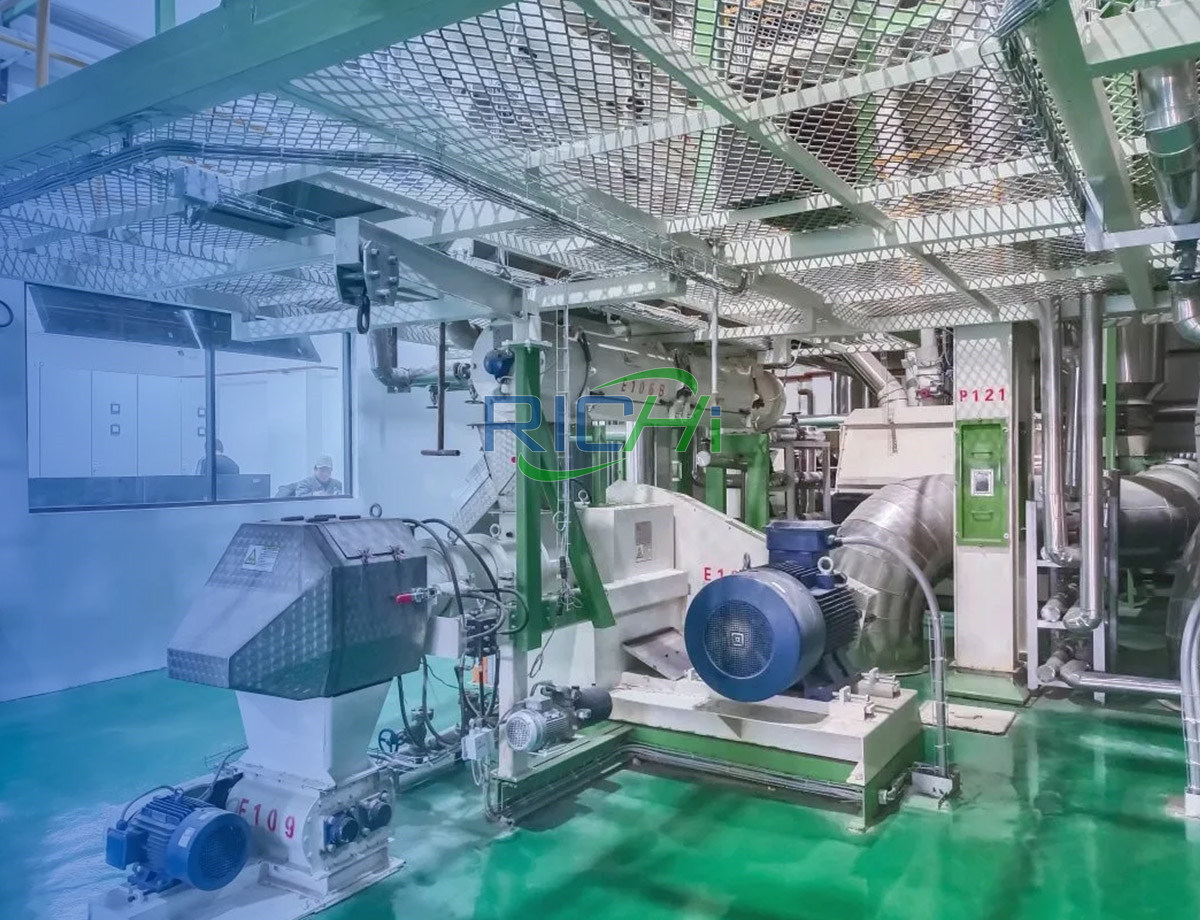
A floating fish pellets factory is a fully integrated industrial facility designed to produce floating fish feed at scale.
It typically includes:
- Raw material storage systems
- Grinding machines
- Mixing systems
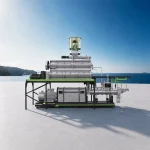
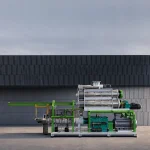
- fish feed extruder machine
- Drying equipment
- Oil coating systems
- Cooling machines
- Packaging systems
The integration of these systems ensures consistent production quality and high efficiency.
4.1 Why Factory Production Matters
Compared to small-scale feed preparation, a factory system provides:
- Stable feed quality
- Large production capacity
- Lower unit production cost
- Better hygiene control
- Precise nutritional formulation
This is essential for commercial aquaculture operations.
5. The Importance of Fish Feed Extruder Machine
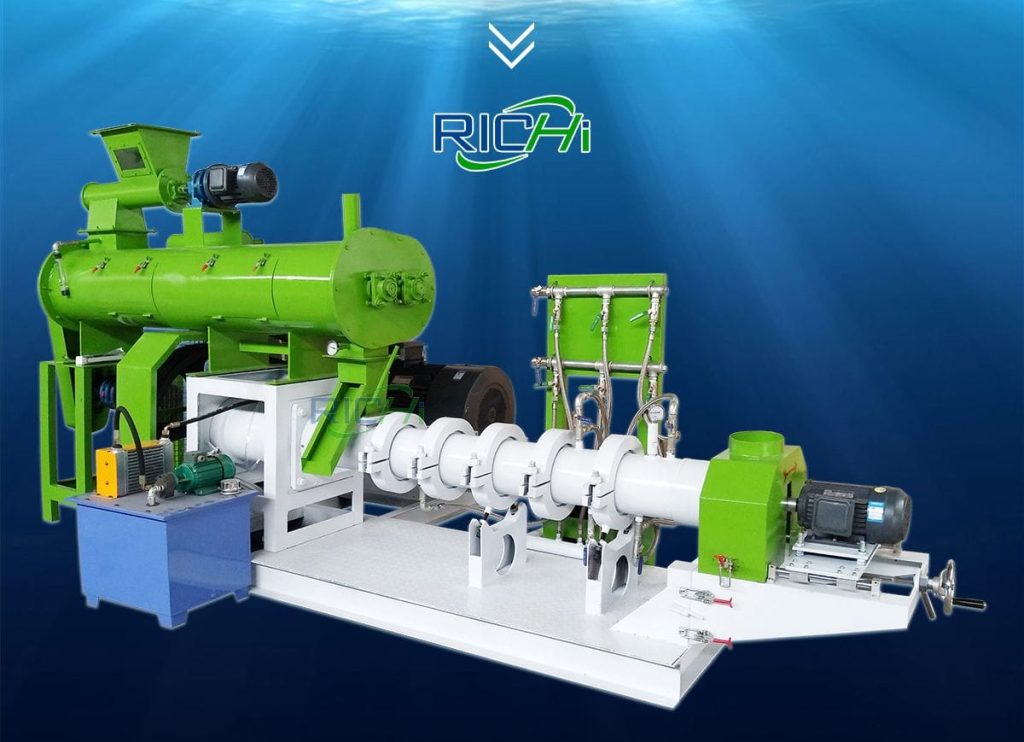
The efficient fish feed extruder machine is the core technology in floating feed production.
It determines:
- Pellet structure
- Floating ability
- Digestibility
- Expansion rate
- Feed stability
Without extrusion technology, floating feed cannot be produced.
5.1 How the Fish Feed Extruder Machine Works
- Mixed feed enters the extruder barrel
- High temperature and pressure are applied
- Starch gelatinization occurs
- Material expands rapidly through the die
- Pellets are cut into uniform shapes
The sudden pressure release creates air pockets inside the feed, making it float.
5.2 Why Extrusion Is Critical
Extrusion improves feed by:
- Increasing digestibility
- Destroying harmful bacteria
- Improving pellet stability
- Enhancing nutrient absorption
- Creating buoyant structure
This makes fish feed more efficient and safer.
6. Feed Efficiency and Cost Reduction
One of the most important reasons floating fish feed is essential is its impact on feed efficiency.
Key benefits:
- Lower feed conversion ratio (FCR)
- Reduced feed waste
- Improved fish growth rate
- Lower overall production cost
Because feed is the largest cost in aquaculture, even small improvements in efficiency lead to significant savings.
7. Real-Time Feeding Control
Floating feed allows farmers to see how fish respond during feeding.
This enables:
- Immediate feeding adjustment
- Prevention of overfeeding
- Detection of fish health issues
- Better feeding schedules
This level of control is not possible with sinking feed.
8. Reduced Feed Waste and Environmental Protection
One of the biggest problems in aquaculture is feed waste.
Sinking feed often falls to the bottom and decomposes, causing:
- Water pollution
- Oxygen depletion
- Ammonia buildup
- Algae growth
Floating feed reduces these problems because:
- Feed remains visible
- Uneaten feed can be removed
- Feeding can be precisely controlled
This makes aquaculture more environmentally sustainable.
9. Improved Water Quality Management
Water quality is critical for fish survival and growth.
Floating fish feed helps maintain clean water by:
- Reducing organic waste accumulation
- Preventing sludge formation
- Stabilizing oxygen levels
- Minimizing harmful bacteria growth
Better water quality leads to healthier fish and higher survival rates.
10. Better Nutrient Utilization
Floating fish feed is processed under high temperature and pressure, which improves nutrient availability.
Benefits include:
- Better protein digestion
- Improved energy absorption
- Faster fish growth
- Stronger immune systems
This means fish require less feed to achieve the same growth.
11. Standardized Feed Quality
In modern aquaculture, consistency is essential.
A floating fish pellets factory ensures:
- Uniform pellet size
- Stable nutritional composition
- Consistent buoyancy
- Reliable production quality
This consistency improves farming predictability and reduces risk.
12. Role of Automation in Feed Production
Modern floating fish feed factories use automation systems to improve efficiency.
Automation provides:
- Precise ingredient dosing
- Real-time production monitoring
- Temperature control
- Moisture regulation
- Error reduction
This improves both feed quality and production efficiency.
13. Importance of Raw Material Processing
Raw materials used in floating fish feed include:
- Fish meal
- Soybean meal
- Corn flour
- Wheat flour
- Vitamins and minerals
Proper processing ensures:
- Balanced nutrition
- Improved digestibility
- Stable pellet formation
Without proper preparation, feed quality decreases significantly.
14. Grinding and Mixing Efficiency
Particle size affects extrusion performance.
Fine and uniform grinding improves:
- Feed consistency
- Extruder efficiency
- Pellet durability
Proper mixing ensures nutrients are evenly distributed.
15. Drying and Moisture Control
After extrusion, feed must be dried to reduce moisture content.
Benefits include:
- Longer shelf life
- Reduced mold growth
- Improved pellet strength
Moisture control is essential for feed quality and storage stability.
16. Oil Coating and Nutritional Enhancement
After drying, oils and nutrients are added to improve feed value.
Benefits include:
- Higher energy content
- Better taste
- Improved fish attraction
- Enhanced growth performance
This step significantly improves feed efficiency.
17. Cooling and Packaging
Cooling stabilizes pellet structure and prevents moisture damage.
Packaging protects feed from:
- Moisture
- Contamination
- Physical damage
Proper packaging ensures long-term feed quality.
18. Economic Benefits of Floating Fish Feed
Floating fish feed production provides strong economic advantages:
- High market demand
- Stable pricing
- Efficient production systems
- Scalable operations
This makes it highly attractive for investors and aquaculture companies.
19. Challenges in Floating Feed Production
Despite its advantages, there are challenges:
- High equipment investment
- Technical complexity
- Raw material price fluctuations
- Maintenance requirements
However, long-term profitability often outweighs these challenges.
https://pelletisingmachine.com/aqua-feed-machine
20. Maintenance of Fish Feed Extruder Machine
Proper maintenance ensures stable production.
Maintenance includes:
- Cleaning extrusion chamber
- Replacing worn parts
- Lubricating mechanical components
- Monitoring temperature systems
Regular maintenance improves efficiency and feed quality.
21. Future Trends in Floating Fish Feed Production
The future of aquafeed manufacturing includes:
- AI-based feeding systems
- Precision nutrition technology
- Smart aquaculture monitoring
- Energy-efficient extrusion machines
These innovations will further improve efficiency and sustainability.
Conclusion
Floating fish feed is essential for modern fish farming because it significantly improves feed efficiency, reduces waste, enhances water quality, and enables precise feeding management. It has transformed aquaculture from a traditional, inefficient system into a modern, data-driven industry.
The development of the floating fish pellets factory and advanced fish feed extruder machine has made large-scale production of high-quality floating feed possible, ensuring consistent nutrition and stable performance for commercial aquaculture operations.
As global demand for fish continues to rise, floating fish feed will remain a fundamental pillar of sustainable aquaculture, helping farmers achieve higher productivity, better environmental outcomes, and stronger economic returns.
Richi Machinery Manufacture–A professional feed machinery manufacturer