
As global demand for meat, dairy, and animal-based products continues to grow, farmers are under increasing pressure to improve efficiency while controlling costs. One often overlooked solution lies at the heart of feed production—the livestock feed pellet machine. Far from being just another piece of equipment, it is a strategic investment that can transform how farms operate and scale.
Why Pelletized Feed Is Changing Livestock Farming
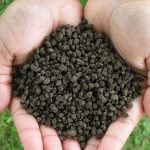
Traditional feed methods often lead to uneven nutrition, high waste, and inconsistent animal growth. Pelletizing solves these issues by compressing raw materials into uniform, dense pellets. This process improves feed intake, reduces sorting behavior in animals, and ensures balanced nutrition in every bite.
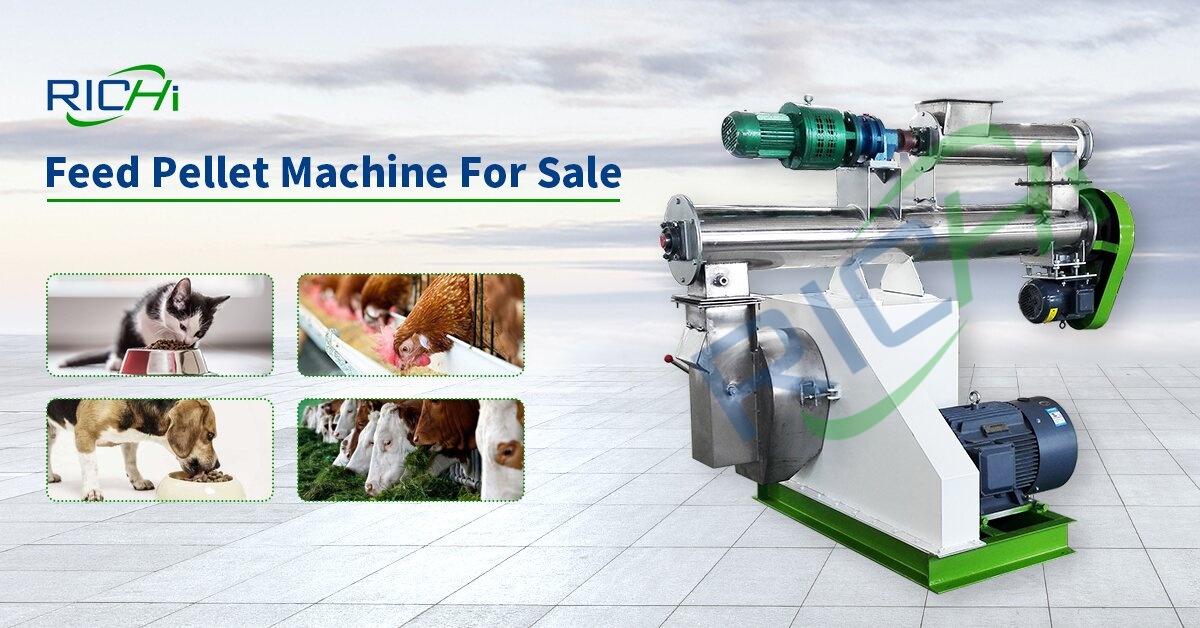
With a livestock feed pellet machine, farmers can process a wide variety of raw materials such as corn, soybean meal, grass, and agricultural by-products. The result is a more controlled feeding system that enhances productivity across poultry, cattle, sheep, and other livestock sectors.
Beyond Livestock: Expanding into Niche Feed Markets
One of the biggest advantages of modern pellet machines is their versatility. While primarily designed for livestock, they can also be adapted for specialized applications. For example, a rabbit pellet making machine focuses on producing high-fiber pellets tailored to the digestive needs of rabbits, ensuring better health and faster growth.
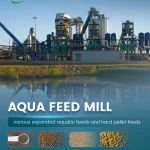
At the same time, farmers exploring aquaculture can complement their operations with a sinking fish feed machine, creating a diversified feed production system. This multi-industry capability allows businesses to expand into new markets without investing in entirely separate infrastructures.
Key Features That Drive Performance
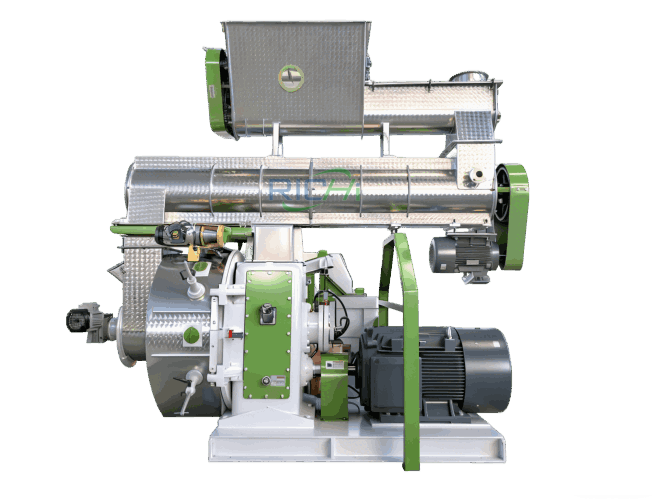
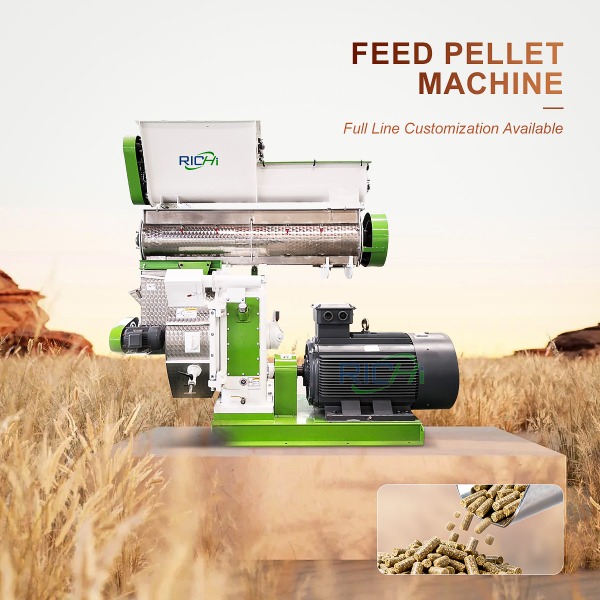
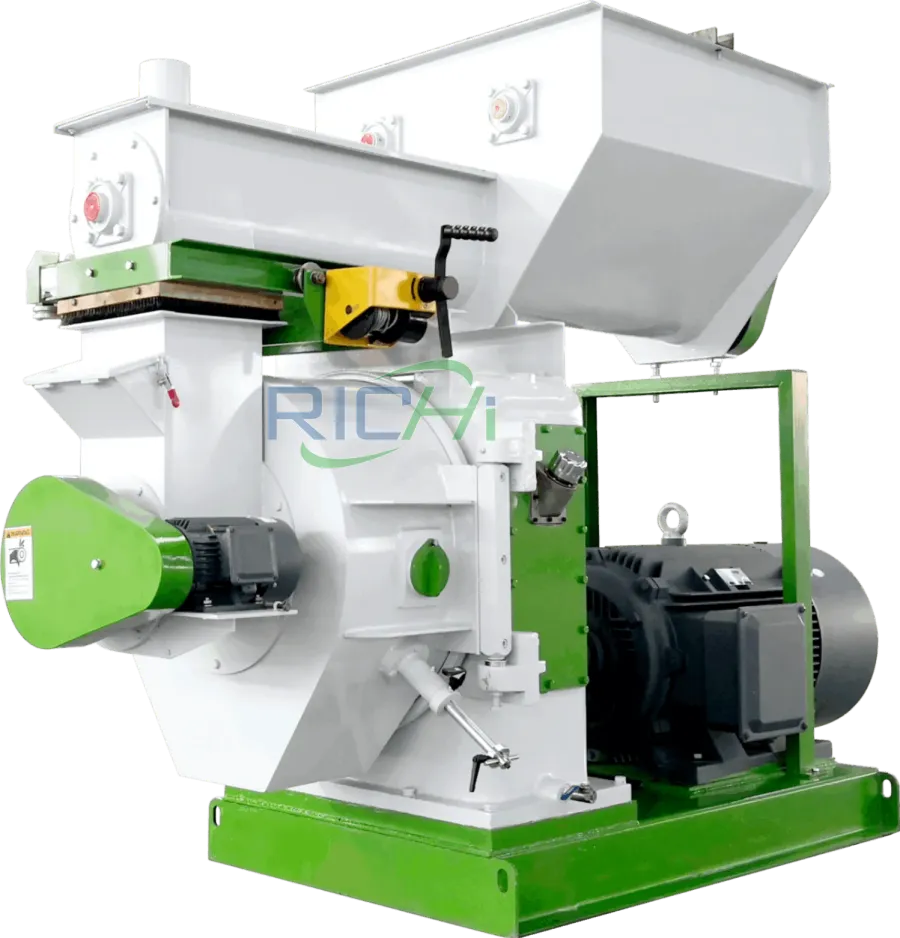
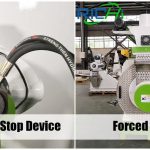
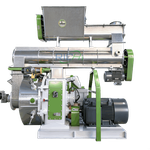
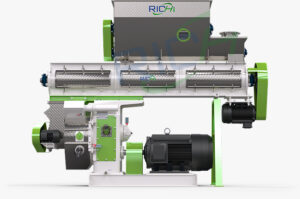
A high-quality livestock feed pellet machine is built for durability and efficiency. Advanced compression systems ensure consistent pellet density, while optimized die and roller designs improve output and reduce energy consumption.
Another important feature is adaptability. Farmers can easily adjust pellet size and formulation depending on the target species. This flexibility is crucial in responding to market demand and raw material availability.
Additionally, modern machines are designed with user-friendly controls, making operation and maintenance more accessible—even for small and medium-sized farms
Where to Find Reliable Solutions?
Choosing the right supplier can significantly impact your production success. A reputable manufacturer will not only provide high-performance equipment but also offer technical support, installation guidance, and long-term service.
If you are evaluating different options, visiting my website can help you explore detailed product information and real-world project cases. Industry-leading companies like Richi Machinery are known for delivering customized feed processing solutions that meet diverse production needs.
A Smarter Investment for Long-Term Growth
Investing in a livestock feed pellet machine is not just about improving feed quality—it’s about building a more efficient and sustainable farming system. By producing your own feed, you gain full control over costs, quality, and supply stability.
In an industry where margins are often tight, this level of control can make a significant difference. Whether you are running a small farm or a large-scale operation, upgrading your feed processing capabilities could be the key to unlocking long-term profitability.