



Bamboo is a fast-growing plant that can produce a considerable amount of biomass over relatively short periods. After harvesting and processing, bamboo residues can become bulky and difficult to transport efficiently. Pelletizing provides a way to compress this material into a denser fuel product.
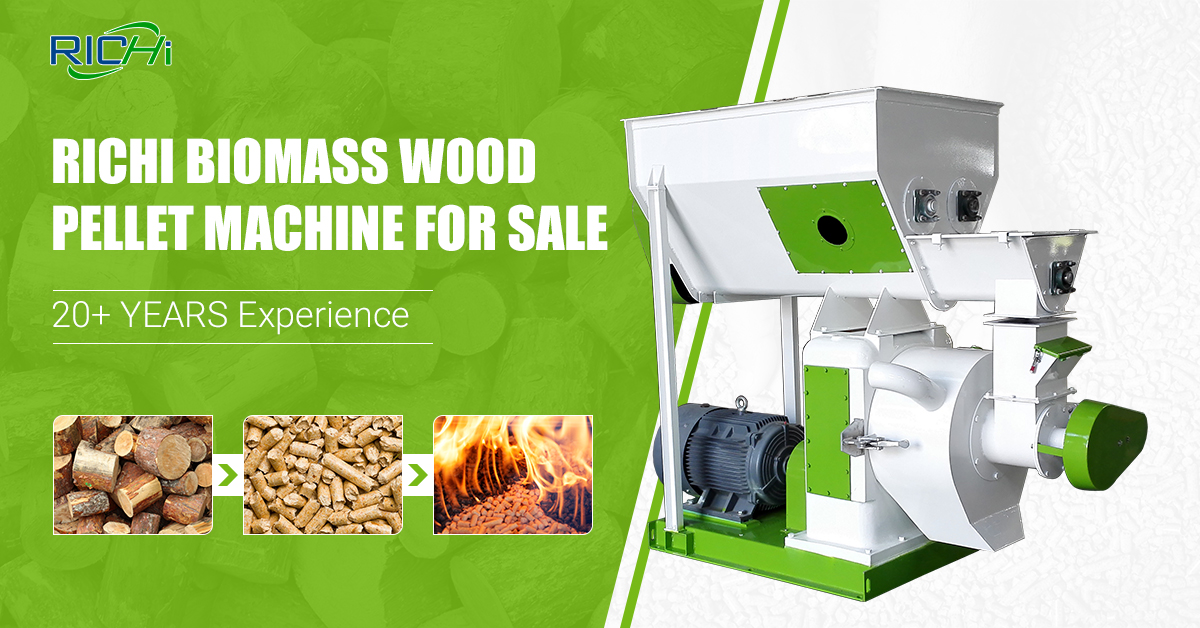
A bamboo pellet machine for biomass fuel is designed to compress prepared bamboo particles into cylindrical pellets. However, the pellet machine is only one part of the process. The condition of the bamboo before pelletizing has a direct influence on production stability and finished-pellet quality.

Which Bamboo Materials Can Be Used?
A bamboo pellet project may use whole bamboo, branches, processing residues, or bamboo chips.
Large pieces normally need to be cut before they enter the crushing system. A hammer mill can then reduce the chips into smaller particles.
The material should also be inspected for stones, soil, metal, and other foreign matter. Removing these contaminants helps protect the cutting and crushing equipment.
The actual preparation process depends on the form in which the bamboo reaches the factory.
Why Is Particle Size Important?
Pellet mills work more consistently when the feedstock has a relatively uniform particle size.
Large bamboo pieces can create feeding problems and increase the mechanical load on the pelletizing equipment. Proper crushing creates particles that are easier to compress through the die.
However, making the material unnecessarily fine can increase energy consumption. The target particle size should therefore be determined according to the pellet mill, die diameter, bamboo characteristics, and desired pellet density.
Moisture Before Pelletizing
Moisture is another major consideration.
Fresh bamboo may contain too much water for direct pelletizing. When this occurs, a drying system can reduce the moisture before the material enters the pellet mill.
On the other hand, already dried bamboo residues may not require a separate dryer.
The best approach is to test the actual feedstock before designing the line. Moisture can vary between bamboo species, harvesting conditions, storage methods, and seasons.
How Are Bamboo Pellets Formed?
After size reduction and moisture adjustment, the bamboo particles are conveyed to the pellet mill.
Inside the pelletizing chamber, rollers compress the material through die holes. Friction and pressure generate heat, helping the particles bind together.
The die determines the approximate pellet diameter. The producer can therefore select a suitable die according to the intended fuel application.
Pellet length can then be controlled through the cutting arrangement.
Is Bamboo Different From Other Biomass?
Every biomass material has its own physical characteristics.
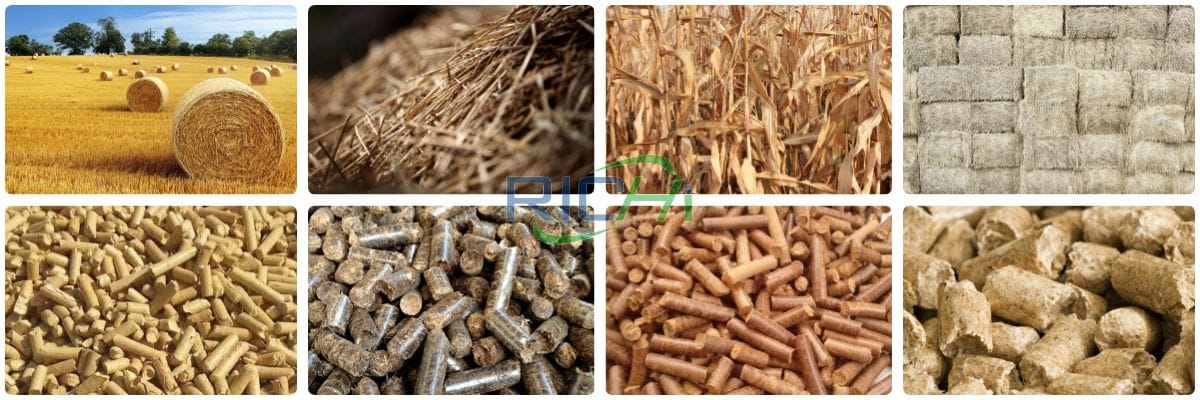
Rice husk, sawdust, wood chips, straw, and bamboo can differ significantly in fiber structure, hardness, ash content, moisture, and bulk density.
For example, a rice husk pellet machine belongs to the same general biomass pelletizing category, but rice husk has a very different structure from bamboo.
This means equipment selection should be based on actual material testing rather than assuming that one setting will work equally well for every biomass.
What Happens Immediately After Pelletizing?
Fresh pellets are relatively hot when they leave the pellet mill.
A cooling machine reduces their temperature and helps stabilize the product before storage. Cooling also improves handling by reducing the likelihood of condensation when properly controlled.
A screener can then remove excessive fines and broken pellets.
The fines can potentially be recycled into the pelletizing process, reducing material loss.
What Determines Bamboo Pellet Capacity?
The actual output depends on more than the motor power of the pellet mill.
Important factors include:
- Bamboo moisture
- Particle size
- Pellet diameter
- Raw-material density
- Die design
- Feeding stability
- Motor configuration
- Operating conditions
Consequently, two projects using the same model may achieve different production results when their bamboo materials differ.
For a commercial project, production testing provides a more reliable basis for selecting the equipment.
Basic Bamboo Pellet Production Process
A typical production sequence can be arranged as:
Bamboo → Cutting → Crushing → Drying if Required → Pelletizing → Cooling → Screening → Packing
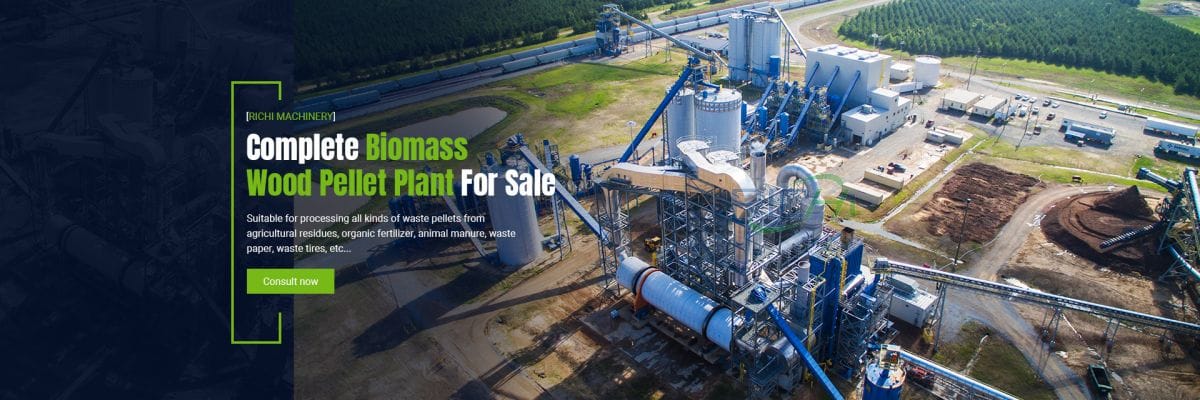
Additional conveyors, storage bins, dust-control equipment, and automatic packing can be added when production increases.
A smaller project can keep the layout more compact and allow some manual material handling.
Storage Requirements
Biomass pellets should be stored in a dry environment.
Although pelletizing reduces the volume of the original bamboo material, the finished pellets can still absorb moisture when exposed to humid conditions.
Good storage practices help maintain pellet strength and fuel quality during transportation and before combustion.
How Should Buyers Choose a Machine?
When comparing a pellet machine for sale, buyers should provide the supplier with information about bamboo type, moisture, required output, pellet diameter, electricity supply, and expected operating hours.
It is also useful to provide raw-material samples where possible. Testing can reveal whether additional drying, crushing, or other preparation equipment is needed.
A well-designed bamboo pellet system does not necessarily need to be highly complicated. The objective is to match each processing stage with the actual condition of the raw material and the required production volume.
With proper preparation, bamboo residues can be converted into a compact fuel product that is easier to handle, transport, and store. Learn the facts here now about biomass pellet production and equipment configuration.
Related Post: https://pelletizerequipment.com/straw-pellet-mill/