Aquaculture has become one of the fastest-growing sectors in global food production. With increasing demand for seafood and declining availability of wild fish resources, more countries are investing in fish farming and aquatic animal production. However, the success of aquaculture depends on several important factors, including water quality management, breeding technology, disease prevention, and especially feed quality.
Feed is the largest operating cost in most aquaculture farms and plays a decisive role in fish growth, survival rate, feed conversion efficiency, and overall farm profitability. High-quality aquatic feed provides fish and other aquatic animals with balanced nutrients, supports healthy development, improves resistance to disease, and reduces environmental pollution caused by excessive feed waste.
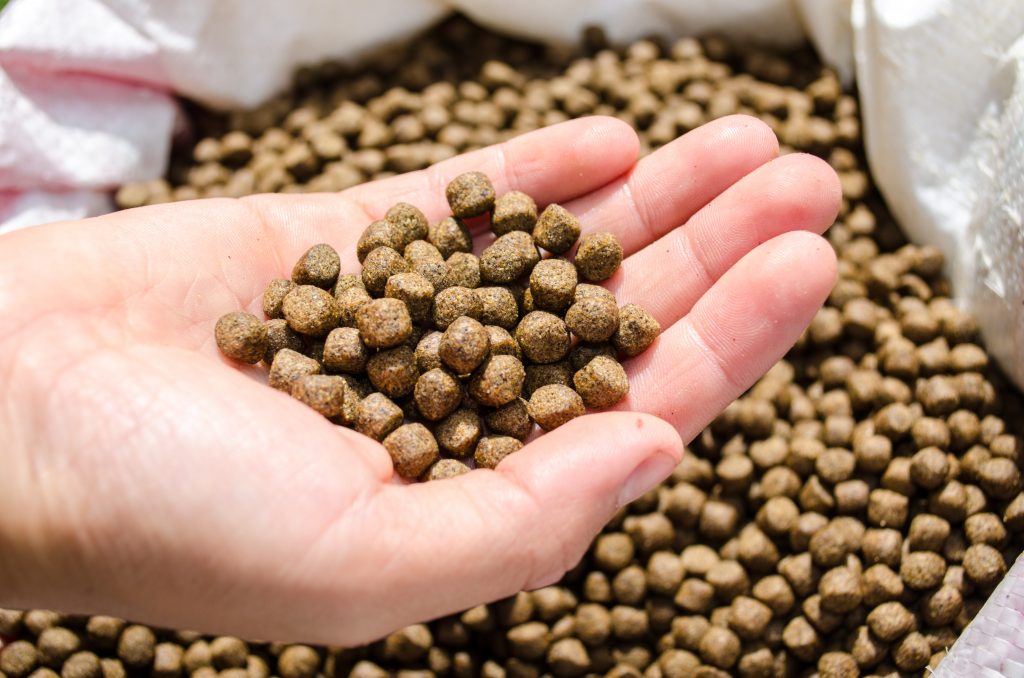
Aquatic feed production technology has developed significantly in recent years. Modern feed manufacturers use advanced processing methods to transform raw materials such as fish meal, soybean meal, grains, oils, vitamins, and minerals into nutritionally balanced pellets. Compared with traditional feeding methods, processed aquatic feed provides better nutrient availability, improved water stability, and more efficient feeding performance.
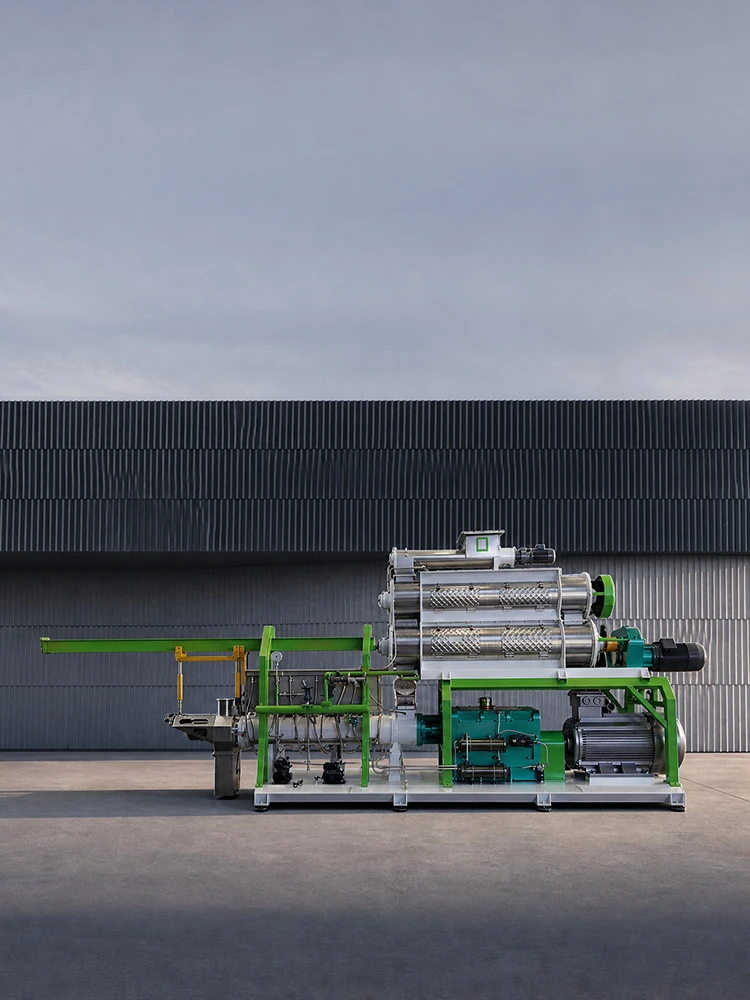
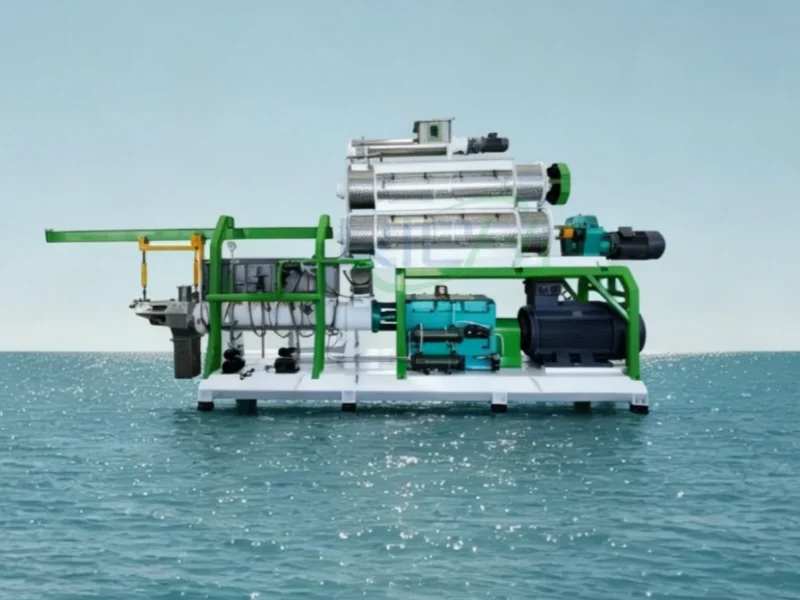
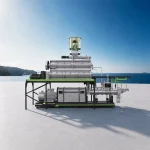
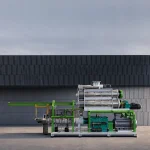
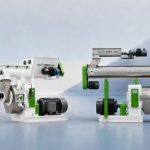
One of the most important technologies in modern aquaculture feed production is extrusion processing. Equipment such as a floating fish feed extruder machine enables manufacturers to produce floating pellets with controlled density, excellent water stability, and high digestibility. These characteristics make floating feed especially suitable for fish farming because farmers can easily observe feeding behavior and reduce feed losses.
This article explains how aquatic feed production improves aquaculture growth and why advanced feed processing technology is essential for modern fish farming.
1. The Importance of Feed in Aquaculture Development
Feed is the primary source of nutrients for farmed aquatic animals. Unlike natural aquatic ecosystems where fish obtain food from various sources, intensive aquaculture systems rely mainly on formulated feed to provide essential nutrients.
High-quality aquatic feed supplies:
- Protein for muscle development
- Energy for metabolism
- Lipids for growth and reproduction
- Vitamins for immunity
- Minerals for bone formation and physiological functions
Poor-quality feed can result in:
- Slow growth
- Higher mortality rates
- Increased disease risk
- Poor feed conversion ratio
- Higher production costs
In contrast, scientifically formulated aquatic feed allows farmers to maximize growth potential and achieve more predictable production results.
As aquaculture becomes more commercialized, efficient feed production has become a key factor determining farm success.
2. What Is Aquatic Feed Production?
Aquatic feed production is the process of converting different nutritional ingredients into specialized feed pellets for fish, shrimp, and other aquatic animals.
The production process usually includes:
- Raw material selection
- Grinding
- Mixing
- Conditioning
- Extrusion or pelletizing
- Drying
- Cooling
- Screening
- Packaging
Each step affects the final feed quality.
Unlike ordinary livestock feed, aquatic feed requires special physical characteristics because pellets must remain stable in water and meet the feeding habits of aquatic animals.
Important feed properties include:
- Appropriate pellet size
- Good water stability
- High nutrient availability
- Suitable floating or sinking characteristics
Modern aquatic feed production technology allows manufacturers to create different types of feed according to fish species, growth stages, and farming systems.
3. Providing Balanced Nutrition for Fish Growth
One of the biggest advantages of professional aquatic feed production is the ability to create balanced nutritional formulas.
Different fish species have different dietary requirements.
For example:
Tilapia Feed
Tilapia feed usually requires:
- Moderate protein levels
- Energy sources
- Vitamins and minerals
Carp Feed
Carp require:
- Plant-based ingredients
- Protein supplements
- Digestible carbohydrates
Catfish Feed
Catfish feed often contains:
- Animal protein sources
- Vegetable proteins
- Essential nutrients
Marine Fish Feed
Marine species usually require:
- Higher protein content
- Fish oil
- Specific amino acids
Through scientific formulation, feed manufacturers can provide nutrients according to species requirements.
Balanced nutrition improves:
- Growth rate
- Feed efficiency
- Survival rate
- Reproductive performance
4. Improving Feed Digestibility
Feed digestibility directly affects how efficiently fish convert feed into body weight.
Aquatic feed production improves digestibility through several processing methods.
Fine Grinding
Grinding reduces ingredient particle size, making nutrients easier to absorb.
Mixing
Uniform mixing ensures each pellet contains balanced nutrients.
Extrusion Processing
Extrusion uses heat, moisture, and mechanical pressure to improve starch gelatinization and protein utilization.
The extrusion process helps:
- Break down complex structures
- Improve nutrient availability
- Reduce harmful microorganisms
- Increase feed stability
As a result, fish can absorb more nutrients from each pellet.
Better digestibility means:
- Less feed consumption
- Faster growth
- Lower production costs
5. Improving Feed Conversion Ratio
Feed conversion ratio (FCR) is a key indicator in aquaculture production.
It measures how efficiently fish convert feed into body weight.
A lower FCR means better feed utilization.
High-quality aquatic feed improves FCR by:
- Providing balanced nutrients
- Reducing feed waste
- Improving digestibility
- Supporting healthy metabolism
For fish farmers, improving FCR is important because feed represents a major portion of production expenses.
Efficient feed production helps farmers produce more fish using fewer resources.
6. Reducing Feed Waste and Improving Water Quality
Feed waste is a major challenge in aquaculture because uneaten feed can pollute water and increase farming risks.
Traditional feed may quickly break apart in water, causing:
- Nutrient loss
- Water pollution
- Increased ammonia levels
- Poor fish health
Modern aquatic feed production solves these problems by improving pellet stability.
Floating feed produced by a floating fish feed extruder machine offers several advantages:
- Remains on the water surface
- Allows farmers to observe feeding activity
- Reduces overfeeding
- Minimizes feed loss
Better feed management helps maintain cleaner water conditions and creates a healthier farming environment.
https://richipelletizer.com/floating-fish-feed-extruder-machine
7. Advantages of Floating Fish Feed
Floating fish feed has become increasingly popular in intensive aquaculture systems.
The main advantages include:
Easy Feeding Observation
Farmers can see whether fish are actively consuming feed.
This helps determine:
- Feeding quantity
- Fish appetite
- Health conditions
Reduced Feed Waste
Because pellets remain visible on the water surface, farmers can adjust feeding amounts more accurately.
Improved Farm Management
Floating pellets simplify feeding operations and monitoring.
Better Water Quality
Less unused feed enters the water, reducing pollution.
A floating fish feed extruder machine is designed specifically to produce these types of floating pellets by controlling extrusion conditions and pellet density.
8. The Role of Extrusion Technology in Aquatic Feed Production
Extrusion is one of the most advanced technologies used in modern aquatic feed manufacturing.
During extrusion, feed materials pass through a specially designed chamber where they experience:
- High temperature
- Moisture
- Mechanical pressure
This process creates feed pellets with improved characteristics.
Benefits of extrusion include:
Better Water Stability
Extruded pellets maintain their structure longer in water.
Improved Digestibility
Heat treatment improves nutrient utilization.
Enhanced Floating Ability
Controlled expansion allows pellets to float.
Better Feed Safety
Extrusion reduces harmful microorganisms.
For fish feed manufacturers, extrusion technology provides greater control over pellet quality and performance.
9. Improving Aquaculture Production Efficiency
High-quality aquatic feed directly improves farm productivity.
Benefits include:
Faster Fish Growth
Balanced nutrition supports rapid development.
Higher Survival Rates
Healthy nutrition strengthens fish resistance.
Better Harvest Results
Efficient feeding improves final production output.
Lower Operating Costs
Reduced feed waste improves profitability.
Feed quality is therefore closely connected with the economic success of aquaculture businesses.
10. Supporting Different Aquatic Farming Systems
Aquatic feed production can support many types of aquaculture operations.
Freshwater Fish Farming
Common species include:
- Tilapia
- Carp
- Catfish
Marine Fish Farming
Includes:
- Grouper
- Sea bass
- Other marine species
Shrimp Farming
Requires specialized feed formulas with suitable nutrients and water stability.
Ornamental Fish Production
Requires high-quality feed with specific nutritional characteristics.
Different farming systems require different feed formulations and pellet sizes.
Advanced feed production equipment allows manufacturers to customize products according to customer requirements.
11. Aquatic Feed Production Process
A complete aqua feed plant usually includes several important machines.
Raw Material Handling System
Stores and transfers ingredients.
Crusher
Reduces ingredient particle size.
Mixer
Creates a uniform feed mixture.
Extruder
Forms aquatic feed pellets with desired characteristics.
Dryer
Removes excess moisture.
Cooler
Reduces pellet temperature.
Screening System
Separates qualified pellets.
Packaging Machine
Prepares finished products for transportation.
Each machine contributes to final feed quality.
A well-designed production line improves efficiency, reduces labor requirements, and ensures consistent production.
12. Selecting Suitable Aquatic Feed Production Equipment
Choosing the right equipment is important for successful feed manufacturing.
Factors to consider include:
Production Capacity
The equipment should match market demand.
Feed Type
Different aquatic animals require different processing methods.
Pellet Characteristics
Manufacturers should consider:
- Floating ability
- Pellet size
- Water stability
Energy Efficiency
Efficient machines reduce production costs.
For floating fish feed production, a reliable floating fish feed extruder machine helps manufacturers produce consistent pellets with excellent floating performance.
Professional equipment selection ensures stable operation and long-term profitability.
(view our website: RICHI Machinery )
13. Improving Sustainable Aquaculture Development
Aquatic feed production contributes to more sustainable fish farming.
It helps achieve sustainability by:
Reducing Resource Waste
Better feed conversion means fewer resources are required.
Improving Water Quality
Stable pellets reduce pollution.
Supporting Efficient Fish Production
Higher productivity reduces pressure on natural fish resources.
Utilizing Alternative Ingredients
Modern feed formulas increasingly use sustainable protein sources and agricultural byproducts.
Efficient feed production is an important part of environmentally responsible aquaculture.
14. Future Trends in Aquatic Feed Production
The aquatic feed industry continues to develop with new technologies and changing market demands.
Future trends include:
Precision Nutrition
Feed formulas will become more customized according to fish species and growth stages.
Smart Production Systems
Automation will improve production accuracy.
Sustainable Ingredients
More alternative protein sources will be developed.
Improved Extrusion Technology
Advanced extrusion systems will provide better pellet quality and energy efficiency.
These developments will help aquaculture become more productive and environmentally friendly.
15. How Farmers Can Maximize the Benefits of Aquatic Feed
Using high-quality feed is only one part of successful aquaculture management.
Farmers should also focus on:
- Proper feeding schedules
- Accurate feeding quantities
- Water quality monitoring
- Disease prevention
- Stocking density management
Combining good feed with effective farm management creates better production results.
Floating feed technology makes feeding management easier because farmers can directly observe fish feeding behavior and adjust strategies accordingly.
Conclusion
Aquatic feed production plays a critical role in improving aquaculture growth by providing balanced nutrition, increasing feed efficiency, reducing waste, and supporting healthier fish development. Compared with traditional feeding methods, modern feed production technology creates pellets with better digestibility, stronger water stability, and improved feeding performance.
Advanced equipment such as the floating fish feed extruder machine allows manufacturers to produce high-quality floating pellets that meet the requirements of intensive aquaculture systems. By improving feed quality and production efficiency, aquatic feed technology helps farmers achieve faster growth, lower costs, and more sustainable fish farming operations.
As global demand for aquatic products continues to increase, efficient aquatic feed production will remain a key technology supporting the future growth of the aquaculture industry.