The Evolution of Modern Fish Feed Manufacturing
The aquaculture industry has experienced significant growth over the past decades. As the global population increases and demand for seafood continues to rise, fish farming has become an important solution for meeting future food requirements.
However, successful aquaculture depends on more than just increasing the number of farms. Feed quality, production efficiency, and environmental management have become key factors that determine the profitability and sustainability of fish farming operations.
In traditional aquaculture systems, feed production often faced challenges such as unstable pellet quality, poor water stability, and inefficient nutrient utilization. These problems could increase production costs and negatively affect farming conditions.
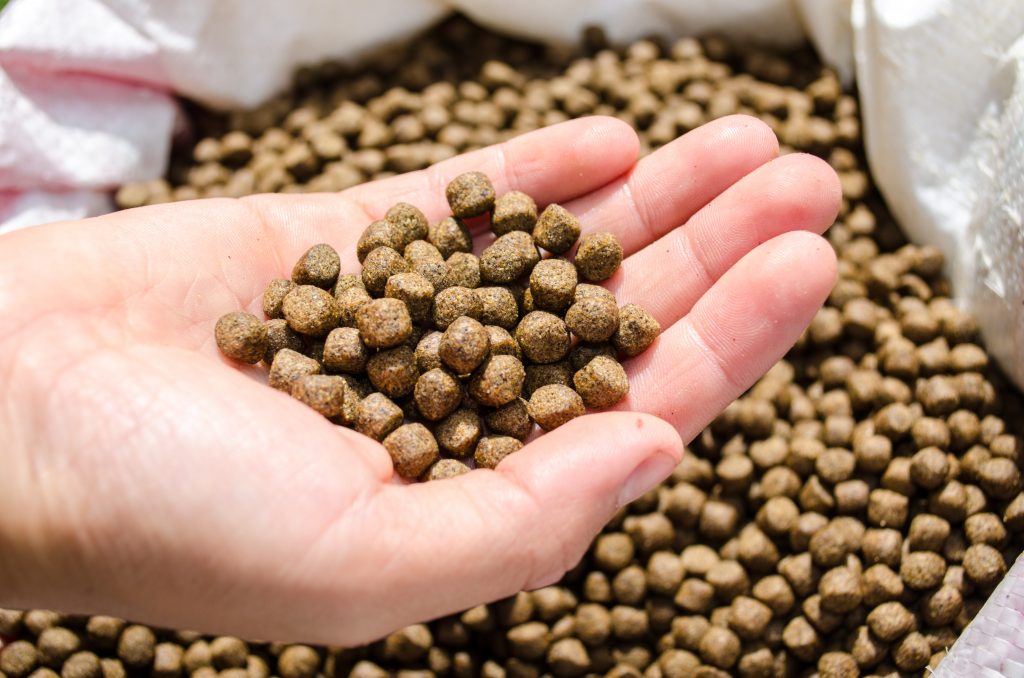
Modern extrusion technology has changed the way aquatic feed is manufactured. By using advanced processing methods, manufacturers can produce feed pellets with improved nutrition, better floating or sinking performance, and higher stability in water.
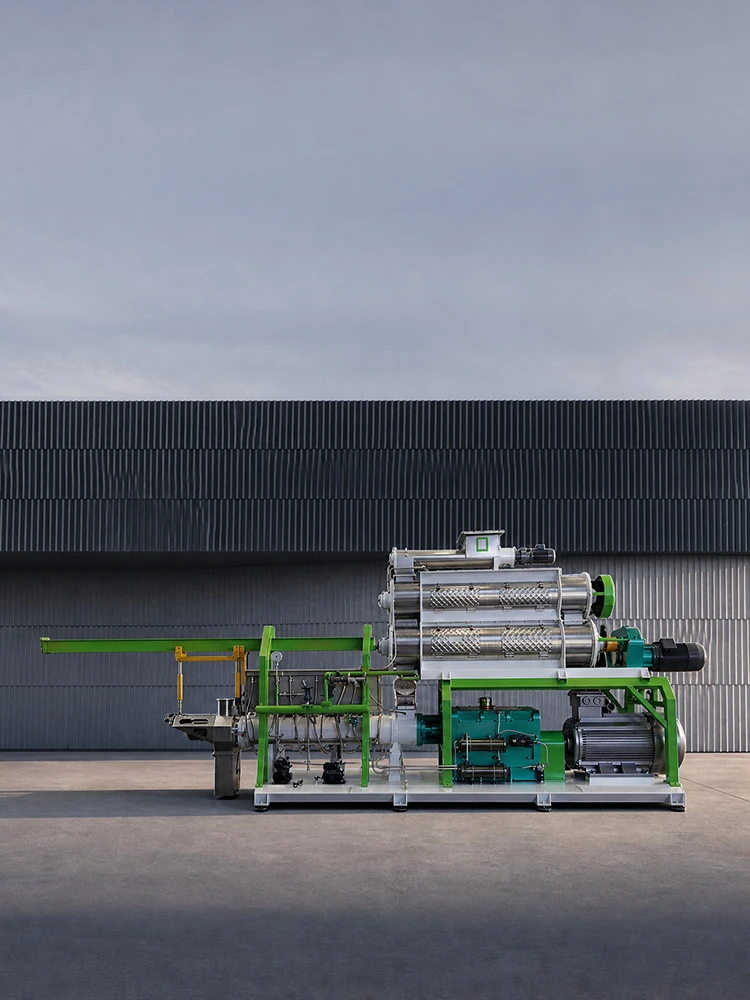
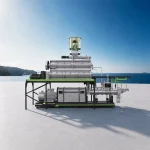
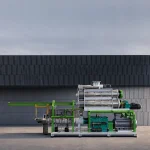
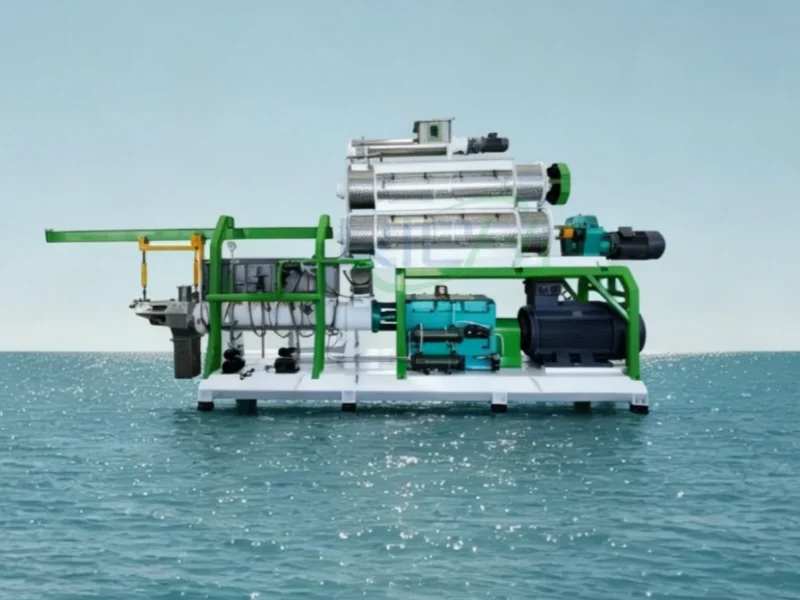
A professional Twin Screw Fish Feed Extruder machine provides an advanced solution for producing different types of aquatic feed. Its flexible processing ability allows manufacturers to create specialized formulas for various fish species, shrimp, and other aquatic animals.
Why Aquatic Feed Quality Determines Farming Success
Feed is one of the most important elements in aquaculture production. In many fish farms, feed costs account for a significant percentage of total operating expenses. Therefore, improving feed efficiency directly influences profitability.
High-quality aquatic feed offers several advantages.
Better Growth Performance
Fish require balanced nutrition to achieve healthy growth. Feed produced with advanced extrusion technology can maintain consistent nutrient distribution, helping aquatic animals absorb essential nutrients more effectively.
Reduced Feed Waste
Poor-quality pellets may break apart quickly after entering water. This causes nutrient loss and increases organic waste in farming environments. Stable pellets reduce waste and improve feed utilization.
Improved Water Management
Water quality is closely related to feed performance. High-quality pellets that remain stable in water help reduce pollution caused by uneaten feed particles.
Flexible Feed Applications
Different aquatic species have different feeding behaviors. Some species require floating pellets, while others need sinking feed. Extrusion technology allows manufacturers to adjust pellet characteristics according to specific requirements.
These advantages make advanced extrusion systems increasingly important for commercial aquaculture development.
Understanding the Advantages of Twin Screw Extrusion Systems
Extrusion is a complex process that combines mixing, cooking, shaping, and moisture control. Among different extrusion technologies, twin screw extrusion is widely recognized for its excellent processing performance.
One major advantage of twin screw systems is their strong mixing capability. The twin screw structure ensures that raw materials are blended more evenly, which is especially important when producing feeds containing multiple ingredients.
Another advantage is better control over processing conditions. Temperature, pressure, and moisture can be adjusted accurately, allowing manufacturers to produce consistent pellets with desired characteristics.
Twin screw extrusion also provides greater flexibility. Feed manufacturers can process various formulas containing fish meal, soybean products, grains, oils, and functional additives.
For businesses planning to upgrade their production capacity, selecting suitable equipment size is essential. A twin screw Fish Feed Extrusion machine can support manufacturers that need reliable output, stable quality, and the ability to produce multiple feed types.
Designing an Efficient Aquatic Feed Production Line
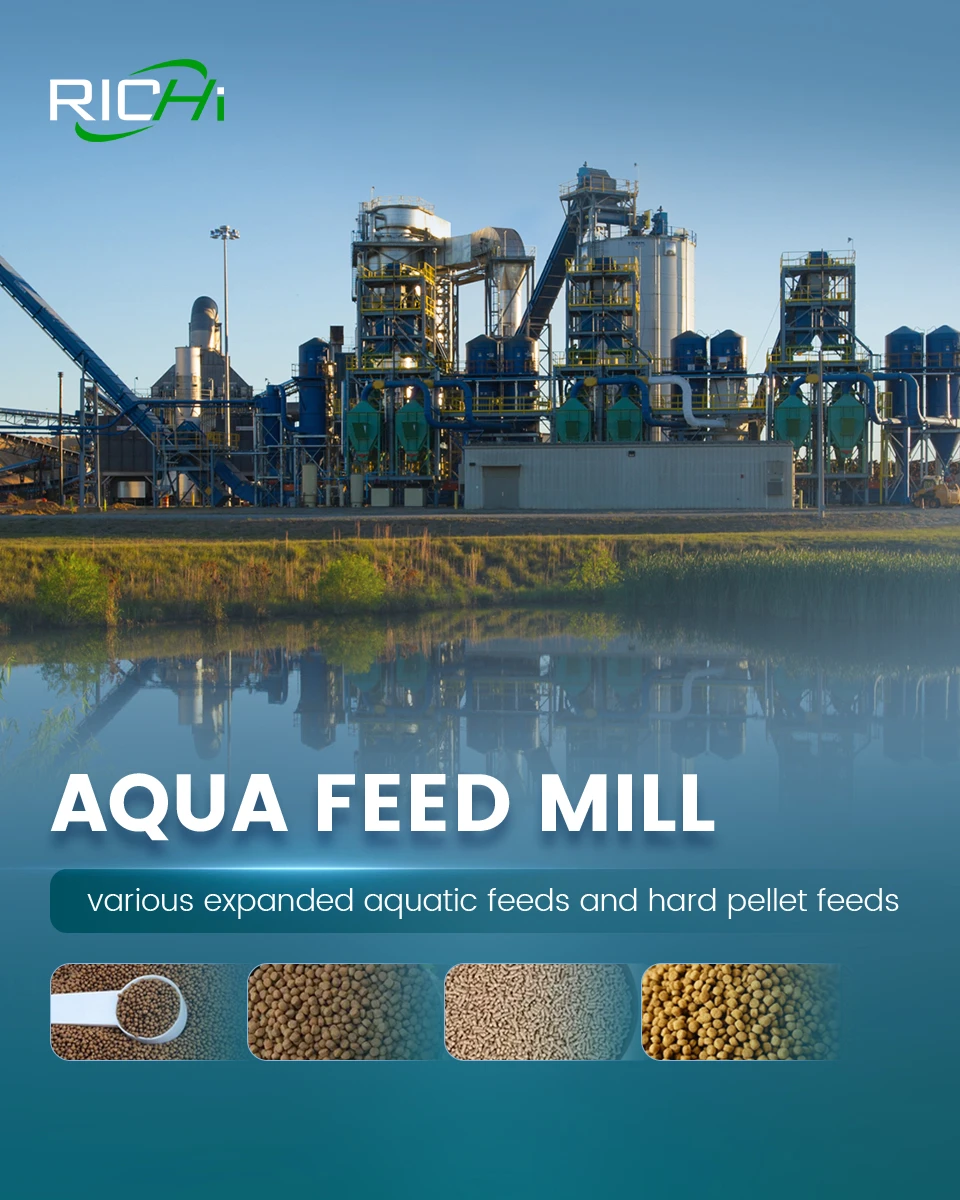
A complete aquatic feed production system includes several important stages. Each stage contributes to the quality and efficiency of the final product.
Raw Material Preparation
The first step is preparing ingredients according to the feed formula. Raw materials must be cleaned, stored properly, and processed into suitable sizes.
Grinding and Mixing
Grinding improves material uniformity, while mixing ensures that nutrients are evenly distributed throughout the feed mixture.
Extrusion and Pellet Formation
During extrusion, materials are exposed to controlled heat, pressure, and mechanical force. This process improves digestibility and creates pellets with suitable physical characteristics.
Drying and Cooling
Freshly produced pellets usually contain higher moisture levels. Drying reduces moisture content, while cooling helps maintain product quality before storage.
Packaging and Transportation
After screening, finished feed pellets are packaged and delivered to fish farms or distributors.
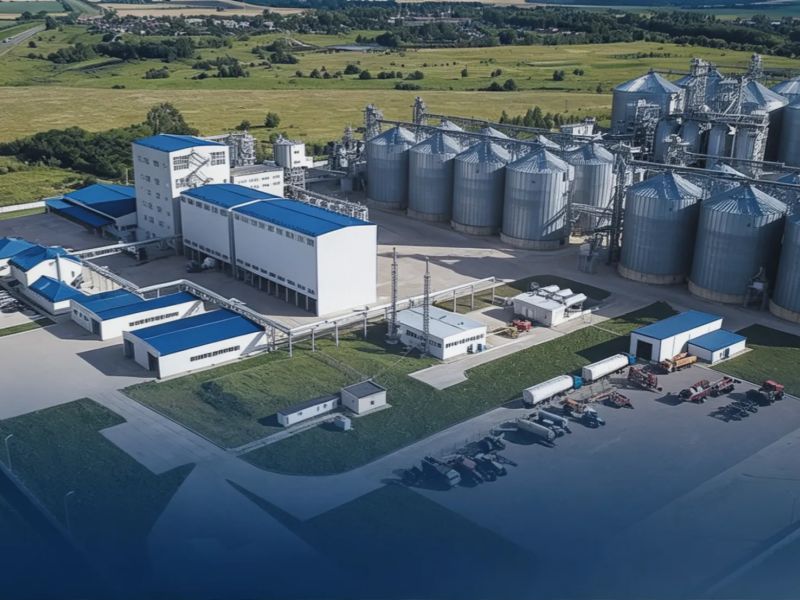
For companies expanding into commercial feed production, choosing the right production scale is important. For example, a 5-6 T/H aquatic feed plant for sale can provide a suitable option for businesses targeting large-scale production and stable market supply.
The Importance of Professional Equipment Selection
Investing in aquatic feed equipment is a long-term decision. The performance of production machinery affects operating costs, product quality, and future expansion possibilities.
Before selecting equipment, businesses should consider several factors:
Production Capacity
The required output should match market demand and raw material availability. Selecting appropriate capacity helps avoid unnecessary investment while ensuring future growth potential.
Feed Types
Different feed products may require different processing conditions. Manufacturers producing floating fish feed, sinking feed, or special aquatic feed should choose equipment with suitable flexibility.
Energy Efficiency
Efficient equipment helps reduce operating costs and improves overall profitability.
Maintenance and Support
Reliable machinery should be easy to maintain and supported by professional technical services.
Experienced suppliers can provide customized production solutions according to customer requirements. Companies such as Richi Pellet Mill focus on developing advanced feed processing equipment and complete production systems for global markets.
Professional guidance during project planning helps businesses avoid common problems and achieve smoother operation after installation.
How Technology Supports Sustainable Aquaculture Development
Sustainability has become a major goal for modern aquaculture. The industry must increase production while reducing environmental impact.
Advanced feed processing technology contributes to sustainability by improving nutrient utilization. When fish can absorb nutrients more effectively, less feed is wasted, and farming environments remain cleaner.
Modern production systems also help manufacturers optimize resource usage. Automated control systems improve accuracy, reduce unnecessary energy consumption, and maintain consistent product quality.
In addition, specialized feed development allows producers to create formulas that meet the nutritional needs of different species. This reduces overfeeding and supports healthier aquatic ecosystems.
Businesses looking for detailed technical information about modern aquatic feed solutions can look at this website to explore more industry knowledge and equipment applications.
Future Development of Aquatic Feed Manufacturing
The future of aquatic feed production will continue to be influenced by technology innovation. As aquaculture becomes more advanced, manufacturers will need equipment that provides higher efficiency, flexibility, and automation.
Several trends are expected to shape the industry:
- More intelligent production systems
- Greater use of customized feed formulas
- Improved energy-saving technologies
- Increased focus on sustainable ingredients
Twin screw extrusion technology will remain an important part of this development because it provides manufacturers with the flexibility needed to respond to changing market requirements.
(Related Post: https://www.richipelletmill.com/sinking-fish-feed-extruder-machine/)
Conclusion
Aquatic feed production is becoming increasingly technology-driven. The quality of feed directly affects fish growth, production costs, and environmental performance.
Advanced extrusion systems provide powerful solutions for producing stable, nutritious, and efficient aquatic feed. With the support of professional equipment and optimized production processes, feed manufacturers can improve competitiveness and meet the growing demands of the aquaculture market.
As global seafood consumption continues to increase, modern extrusion technology will play a vital role in creating a more efficient, sustainable, and profitable future for aquaculture.