

Across the world, agricultural and forestry industries generate millions of tons of residues every year. For decades, much of this material was discarded, burned in open fields, or left to decompose naturally. Today, however, rising energy costs and growing environmental awareness are encouraging businesses to view these materials differently.
What was once considered waste is increasingly becoming a valuable source of renewable energy.
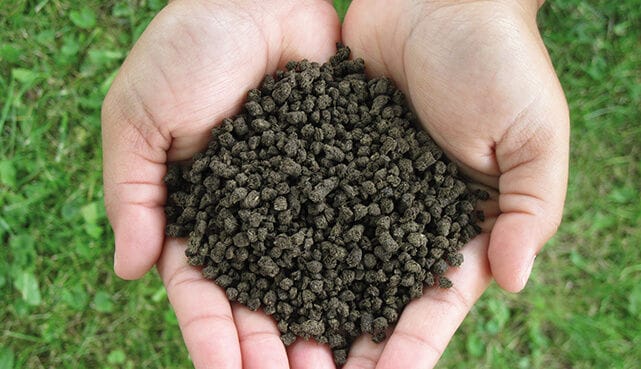
Biomass pellet production has emerged as one of the most practical ways to convert low-value residues into a standardized fuel product that is easy to transport, store, and utilize. As governments, industries, and energy providers continue searching for alternatives to fossil fuels, pellet manufacturing is attracting investment from both established companies and new market entrants.
The opportunities are significant, but long-term success depends on much more than installing equipment and producing pellets.
(Related Post: https://www.richipelletmill.com/vertical-ring-die-pellet-mill/ )
Why Biomass Resources Are Becoming More Valuable
Biomass resources are widely available in many regions. Agricultural activities generate large quantities of by-products that often have limited commercial applications.
Common examples include:
- Wheat straw
- Rice straw
- Corn stalks
- Cotton stalks
- Peanut shells
- Sunflower husks
- Forestry residues
- Wood processing waste
Historically, transportation and storage challenges made many of these materials difficult to utilize economically. Pelletization changes that equation by increasing density and improving handling characteristics.
Compressed biomass pellets occupy less storage space, have more consistent moisture content, and are easier to transport over long distances. These advantages help create commercial value from materials that might otherwise have little economic use.
As renewable energy policies continue expanding worldwide, demand for processed biomass products is expected to remain strong.
Understanding the Importance of Feedstock Characteristics
One of the first lessons experienced pellet manufacturers learn is that no two raw materials behave exactly the same.
Different feedstocks vary significantly in:
- Fiber structure
- Moisture content
- Bulk density
- Ash content
- Natural binding properties
These factors influence every stage of production.
For example, straw-based materials often require different processing parameters than wood residues. Agricultural waste may also contain higher levels of contaminants, requiring additional preparation before pelletizing.
Ignoring these differences can lead to reduced productivity and inconsistent pellet quality.
Successful producers typically invest time in understanding their feedstock characteristics before selecting machinery or designing production processes.
Why Equipment Selection Is More Complex Than It Appears
Many first-time investors focus primarily on capacity when evaluating pellet production equipment.
While output is important, several other factors deserve equal attention.
These include:
Energy Consumption
Electricity often represents a significant operating cost. Small efficiency improvements can generate substantial savings over time.
Wear Resistance
Certain biomass materials can be highly abrasive. Components exposed to continuous friction should be designed for long service life.
Production Stability
Frequent interruptions reduce productivity and increase maintenance requirements.
Material Compatibility
The ability to process multiple feedstocks can provide valuable flexibility when raw material availability changes.
For many producers, choosing the right equipment is ultimately a balance between performance, reliability, and operating costs.
The Rise of Flexible Pellet Manufacturing Systems
The biomass industry is becoming increasingly dynamic.
Market demand, feedstock availability, and regulatory requirements can change rapidly. As a result, flexibility is becoming one of the most valuable characteristics of modern production facilities.
Many manufacturers are moving away from highly specialized systems and adopting solutions capable of processing a wider variety of raw materials.
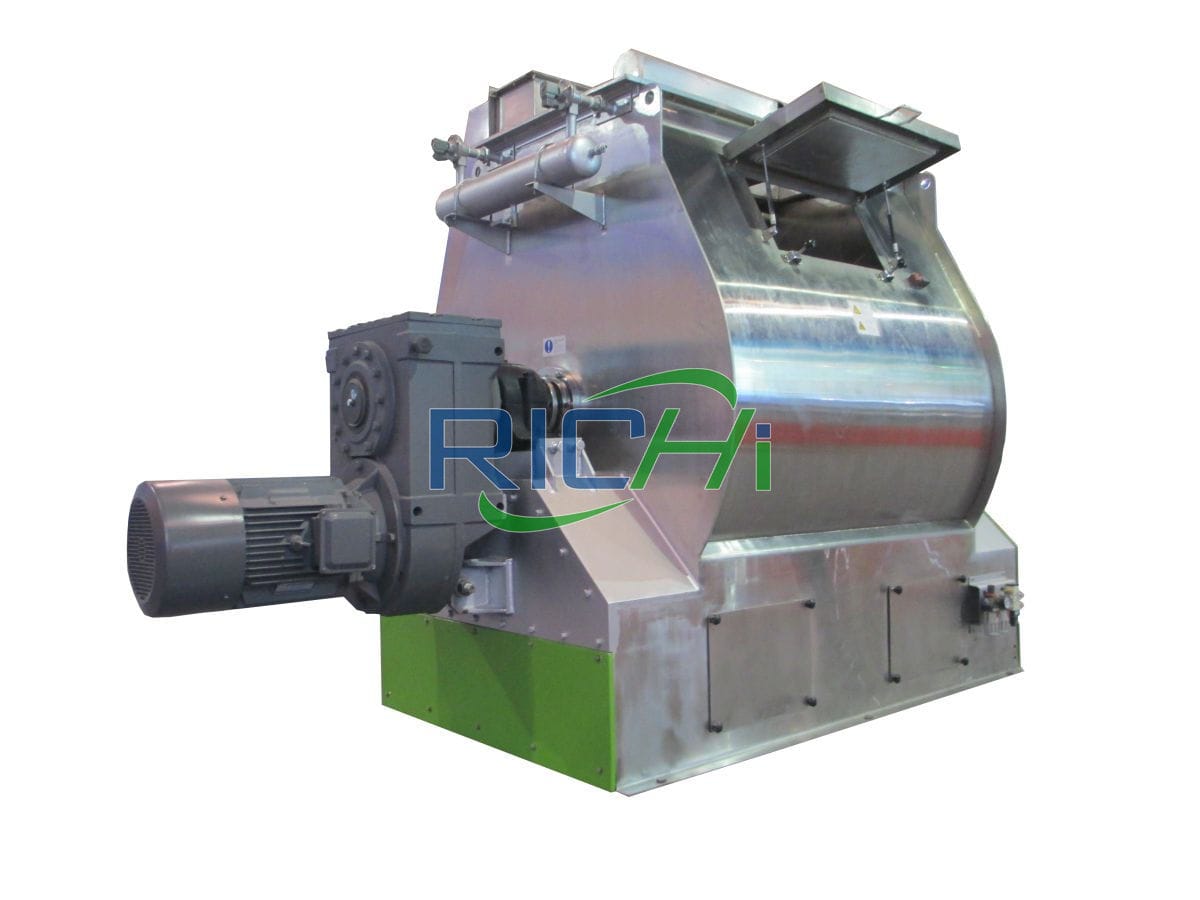
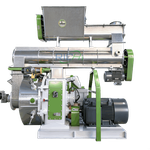
One example is the growing adoption of the industrial vertical pellet machine, which is often selected for its ability to handle diverse biomass resources while maintaining stable production performance.
This flexibility can help businesses respond more effectively to changing market conditions and raw material supplies.
Creating Value Through Process Optimization
High-performing pellet plants rarely achieve success through equipment alone.
Instead, they focus on optimizing the entire production process.
Important areas include:
Raw Material Preparation
Proper size reduction improves pelletizing efficiency and consistency.
Moisture Control
Maintaining suitable moisture levels helps improve pellet durability and production stability.
Pellet Cooling
Effective cooling reduces breakage and improves storage performance.
Quality Inspection
Regular testing helps ensure products meet customer expectations.
Each stage contributes to overall profitability. Even small improvements throughout the process can generate significant long-term benefits.
The Growing Appeal of Medium-Scale Pellet Plants
Not every biomass project requires massive production capacity.
In many regions, medium-sized facilities offer an attractive balance between investment costs and operational efficiency.
A well-designed 1-2 T/H straw pellet plant for sale can provide sufficient capacity for local fuel markets while minimizing financial risk.
These projects are particularly appealing for:
- Agricultural cooperatives
- Farm groups
- Rural energy initiatives
- Local fuel suppliers
- Biomass entrepreneurs
Medium-scale facilities also allow operators to gain industry experience before expanding into larger production capacities.
Managing Risk in Biomass Investments
Every manufacturing business involves risk, and biomass production is no exception.
However, many common risks can be reduced through careful planning.
Supply Chain Stability
Reliable access to raw materials is essential for consistent production.
Market Diversification
Serving multiple customer segments reduces dependence on a single buyer.
Operational Training
Well-trained employees contribute to safer and more efficient production.
Preventive Maintenance
Scheduled maintenance helps avoid costly unexpected breakdowns.
Businesses that proactively address these areas often achieve more stable long-term performance.
Sustainability Is Becoming a Competitive Advantage
Environmental considerations are increasingly influencing purchasing decisions across many industries.
Customers, investors, and regulators are paying closer attention to sustainability metrics than ever before.
Biomass pellets contribute to several sustainability objectives:
- Utilization of renewable resources
- Reduction of open-field burning
- Lower greenhouse gas emissions
- Improved waste management practices
For many companies, sustainability is no longer simply a regulatory requirement. It has become a competitive advantage that can strengthen brand reputation and create new market opportunities.
Why Technical Support Matters After Installation
Purchasing equipment is only the beginning of a pellet production project.
Long-term success often depends on the quality of technical support available after commissioning.
Experienced suppliers can assist with:
- Process optimization
- Operator training
- Maintenance planning
- Capacity improvements
- Troubleshooting
Access to professional support can significantly reduce operational challenges, particularly during the early stages of production.
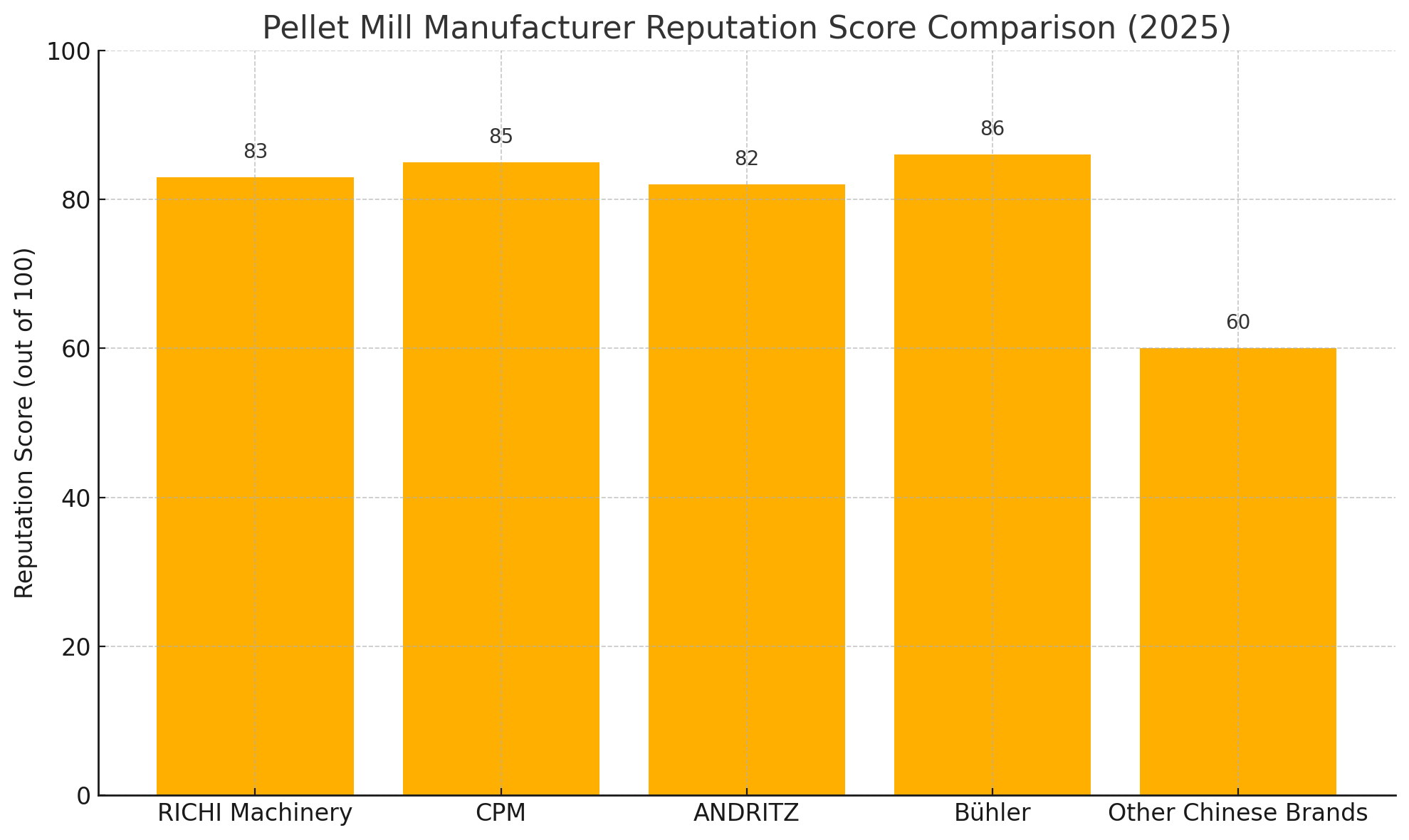
This is one reason many investors prefer working with established suppliers such as Richi Machinery, whose experience spans multiple biomass applications and production scales.
Emerging Trends That Will Shape the Industry
Several developments are expected to influence pellet manufacturing over the coming years.
Smart Factory Technologies
Digital monitoring systems are making production management more efficient.
Higher Quality Standards
Industrial customers increasingly demand consistent pellet specifications.
Diverse Feedstocks
Producers are exploring new biomass resources to improve supply flexibility.
Regional Energy Development
Many countries are investing in local renewable energy infrastructure.
Together, these trends are creating new opportunities for manufacturers willing to adapt and innovate.
Looking Beyond Production Capacity
A common misconception is that larger factories automatically generate greater profits.
In reality, profitability depends on multiple factors working together.
These include:
- Feedstock costs
- Product quality
- Equipment reliability
- Market access
- Logistics efficiency
- Customer retention
Many successful businesses focus on improving these fundamentals before pursuing major capacity expansions.
A well-managed facility often outperforms a larger operation that struggles with inefficiencies.
Conclusion
The future of biomass pellet production is being shaped by innovation, sustainability, and smarter operational strategies. Companies that understand their raw materials, optimize production processes, and maintain flexibility are often best positioned to compete in an evolving market.
Whether developing a new renewable energy project or upgrading an existing facility, decision-makers should evaluate solutions based on long-term performance rather than short-term output alone. Industry experience, reliable technology, and careful planning remain some of the most important ingredients for lasting success.
For those researching biomass processing technologies and practical production approaches, look at this website to explore additional industry insights and examples from real-world pellet manufacturing projects.