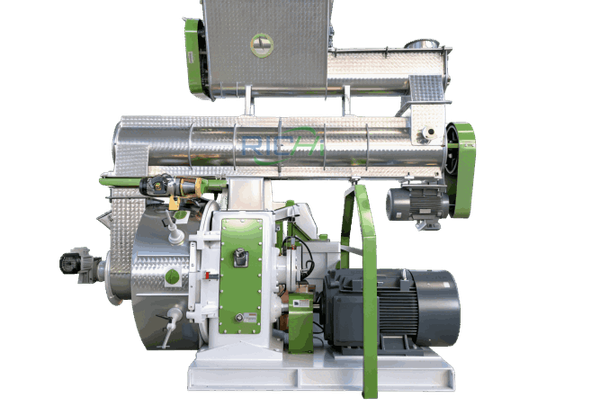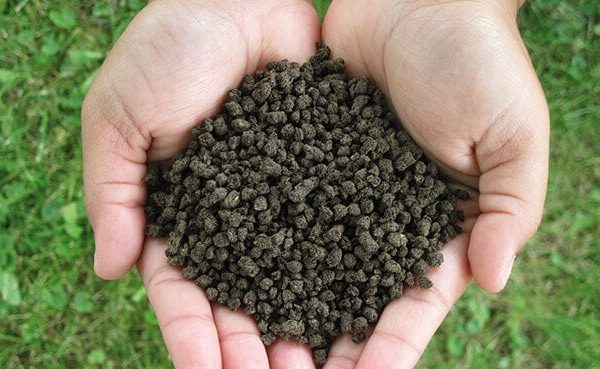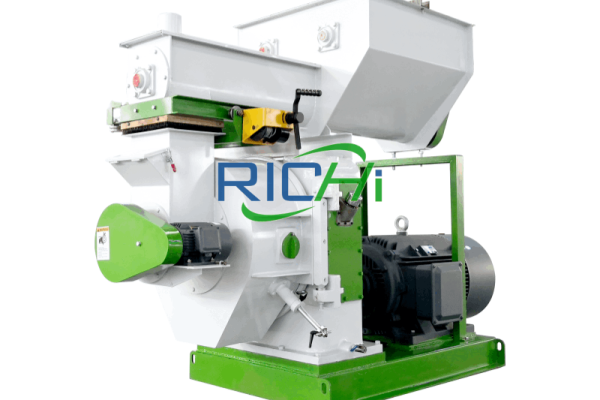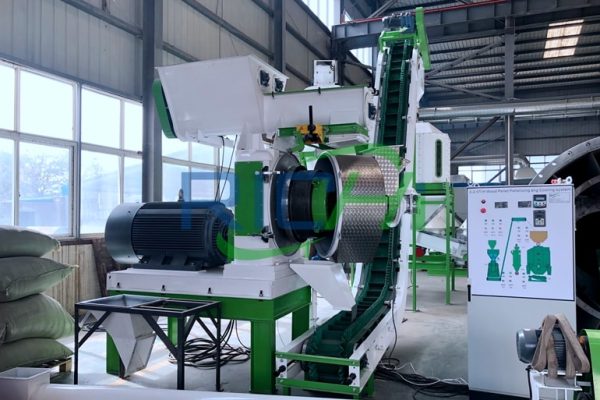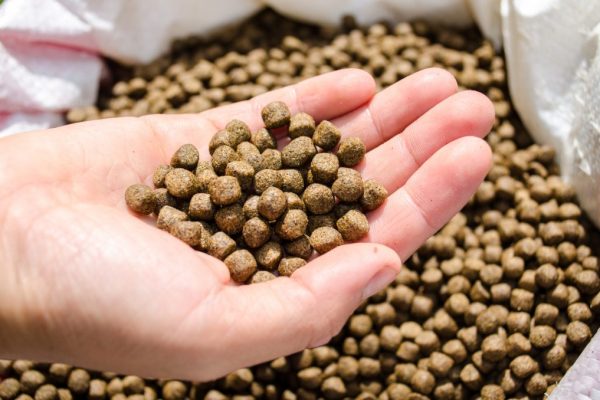
Livestock Feed Pellet Machine

Livestock Feed Pellet Machine: The Hidden Engine Behind Efficient Farming

As global demand for meat, dairy, and animal-based products continues to grow, farmers are under increasing pressure to improve efficiency while controlling costs. One often overlooked solution lies at the heart of feed production—the livestock feed pellet machine. Far from being just another piece of equipment, it is a strategic investment that can transform how…

Read More

What is the difference between shrimp feed pellet machine and shrimp feed extruder machine?

In the rapidly evolving aquaculture industry, particularly in shrimp farming, the production of high-quality feed is crucial for success. Two primary technologies are used for manufacturing shrimp feed: pellet machines and extruder machines. While both aim to produce nutritious and stable feed for shrimp, they differ significantly in their processes, capabilities, and end products. This…

Read More

What Veggies Can Dog Eat?

Purple potato sweet potato: additionally we claim groundnut, which is also among the common ingredients in dog food and family pet treats. Currently lots of people make homemade dog food or snacks will make use of sweet potatoes. Sweet potatoes are great carbohydrates, much better than eating rice potatoes. It also gives fiber, vitamin B6,…

Read More

Efficient Husk Pellet Maker for Biomass Fuel Production

The global demand for renewable energy is encouraging industries to explore more sustainable fuel alternatives. Agricultural residues such as rice husks, peanut shells, coffee husks, and sunflower husks are now widely recognized as valuable biomass resources. Instead of treating these materials as waste, manufacturers are converting them into dense fuel pellets for industrial and commercial…

Read More
horse feed pellet machines

From Hay to High-Value Pellets: Why Modern Farms Are Changing Their Feed Strategy

For decades, many livestock farms relied on loose feed, chopped forage, and manually mixed ingredients. While these traditional methods worked, they often resulted in uneven nutrition, higher storage costs, feed losses, and lower efficiency. Today, increasing feed prices and growing demand for premium livestock products are encouraging farmers to rethink how feed should be processed….

Read More

    * We understand that privacy is important to you, so we will only answer the questions you ask and will not disclose your information to third parties.